
ENVIRONMENTAL MANAGEMENT ACT: INDEX TO SUBSIDIARY LEGISLATION
Environmental Protection and Pollution Control (Environmental Impact Assessment) Regulations
Environmental Management (Appointed Date) Order
Environmental Management (Licensing) Regulations
Environmental Management (Extended Producer Responsibility) Regulations
Environmental Management (Strategic Environmental Assessment) Regulations
ENVIRONMENTAL PROTECTION AND POLLUTION CONTROL (ENVIRONMENTAL IMPACT ASSESSMENT) REGULATIONS
[Sections 6 and 96]
Arrangement of Regulations
Regulation
PART I
PRELIMINARY
1. Title
2. Interpretation
PART II
PROJECT BRIEFS
3. Project brief and environmental impact statement
4. Preparation of project brief
5. Submission of project brief to Council
6. Consideration of project brief and decision by Council
PART III
ENVIRONMENTAL IMPACT STATEMENT
7. Decision that an environmental impact statement be prepared
8. Terms of reference
9. Approval of persons preparing environmental impact statement and conduct of environmental impact assessment
10. Public consultations
11. Contents of environmental impact statement
12. Executive summary and signatures
13. Transmission of environmental impact statement to neighbouring state and review of comments.
PART IV
REVIEW PROCESS OF ENVIRONMENTAL IMPACT STATEMENT
14. Submission of environmental impact statement
15. Comments of the agency
16. Public consultations
17. Decision to hold a public hearing
18. Public hearing
19. Persons eligible to participate in a public hearing
PART V
DECISION OF THE COUNCIL
20. Criteria for Decisions
21. Decision of Council and issue of decision letter
22. Reasons and conditions decision
23. Communication of decision
24. Validity of authorisation document
PART VI
ACCESS TO ENVIRONMENTAL IMPACT STATEMENT AND INFORMATION
25. Documents to be public
26. Protection of proprietary information
PART VII
POST-ASSESSMENT ENVIRONMENTAL AUDITS
27. Preparation of an environmental audit
28. Role of an inspector
PART VIII
PERIOD OF VALIDITY
29. Expiry of authorisation document
30. Developer to inform authorising agent of changes
31. Need for additional environmental information
32. Issue of decision letter
PART IX
PENALTIES
33. Offences and penalties
34. Remedial costs
PART X
MISCELLANEOUS PROVISIONS
35. Fees
36. Delegation of functions
37. Projects authorised prior to the commencement of these Regulations
SI 28 of 1997,
SI 163 of 1998,
SI 23 of 2001,
SI 87 of 2009.
PART I
PRELIMINARY
These Regulations may be cited as the Environmental Protection and Pollution Control (Environmental Impact Assessment) Regulations.
In these Regulations, unless the context otherwise requires—
“authorising agency” means any Government ministry or department, public corporation, local authority or public officer in which, or in whom, any law, regulation or by-law vest the powers and functions to authorise, control or manage any aspect of a proposed or existing project;
“Council” means the Environmental Council of Zambia established by section 3 of the Act or any agent of the Council who has been duly authorised by the Council for purposes of these Regulations;
“day” means an official working day;
“decision letter” means a letter issued by the Council stating that a proposed project is not likely to cause unacceptable environmental impacts or that the expected environmental impacts are unacceptable and an authorisation licence, a permit or permission should not be issued;
“developer” means any person who, or entity which, proposes to undertake a new project or to repair or extend existing project which falls within the list of projects provided for in the First Schedule and who, or which, is responsible for obtaining the appropriate authorisation;
“Director” means the Director appointed under section 15 of the Act or any other person who has been authorised by the Director to Act on his behalf;
“environment” has the meaning assigned to it in section 2 of the Act;
“environmental impact assessment” means a systematic examination conducted to determine whether or not a proposed project, or alterations to an existing project, or alternatives, may have significant adverse or beneficial impacts on the environment;
“environmental impact statement” means the statement described in regulations 8, 11, 12 and 13;
“environmental mitigation audit” means the systematic, documented, periodic and objective evaluation of the implementation and performance of the impact management plan included in any authorisation licence, permit or permission pertaining to a proposed project or alteration of an existing project;
“individual person” means the human person;
“inspector” means an Inspector appointed under section 81 of the Act;
“mass media” includes publicly exhibited posters, newspapers, radio, television or other electronic media used for public communication;
“mitigation measures” include engineering works, technological improvements, management measures and other ways and means of preventing, ameliorating or compensating for adverse environmental impacts and losses suffered by individuals and communities and for enhancing benefits;
“project” means any plan, operation, undertaking, development, change in the use of land, or extensions and other alterations to any of the above and which cannot be implemented without an authorisation licence, permit or permission from an authorising agency or without approval from a line ministry before entry into a project implementation programme;
“project brief” means a report made by the developer including preliminary predictions of possible impacts of a proposed project on the environment and constituting the first stage in the environmental impact assessment process; and
“proprietary information” means information relating to any manufacturing process, trade secret, trademark, patent, copyright, breeder’s right, or formula protected by law or by any international treaty to which Zambia is a party.
PART II
PROJECT BRIEFS
3. Project brief and environmental impact statement
(1) A developer shall not implement a project for which a project brief or an environmental impact statement require under these Regulations, unless the project brief or the environmental impact statement has been concluded in accordance with these Regulations and the Council has issued a decision letter.
(2) The requirement for a project brief applies to—
(a) a developer of any project set out in the First Schedule whether or not the developer is part of a previously approved project;
(b) any alterations or extensions of any existing project which is set out in the First Schedule; or
(c) any project which is not specified in the First Schedule, but for which the Council determines a project brief should be prepared.
4. Preparation of project brief
A developer shall prepare a project brief under regulation 3, stating in a concise manner—
(a) the site description of the environment;
(b) the objectives and nature of the project and reasonable alternatives;
(c) the main activities that will be undertaken during site preparation, and construction and after the development is operational;
(d) the raw and other materials that the project shall use;
(e) the products and by-products, including solid, liquid and gaseous waste generations;
(f) the noise level, heat and radioactive emissions, from normal and emergency operations;
(g) the expected socio-economic impact of the project and the number of people that the project will resettle or employ, directly, during construction and operation;
(h) the expected environmental impact of the project, taking into account the provisions of paragraphs (c) to (g);
(i) the expected effect on the bio-diversity, natural lands and geographical resources and the area of land and water that may be affected through time and space; and
(j) a description of adverse mitigation measures and any monitoring programmes to be implemented.
5. Submission of project brief to Council
(1) A developer shall submit six copies of the project brief to the Council.
(2) If the Council considers the project brief to be complete, the Council shall transmit the project brief to the authorising agency for comments within seven days of receiving the project brief.
(3) The authorising agency referred to in sub-regulation (2) shall make comments and transmit them to the Council within 30 days of receiving the project brief.
(4) Where the agency fails to make comments or transmit the project brief to the Council within the period specified in sub-regulation (2), the Council shall proceed to consider that project brief.
6. Consideration of project brief and decision by Council
(1) The Council shall consider the project brief and the comments receive.
(2) If the Council is satisfied that the project will have no significant impact on the environment, or that the project brief discloses sufficient mitigation measures to ensure the acceptability of the anticipated impacts, the Council shall within 40 days of receiving the project brief from the developer, issue a decision letter, with conditions as appropriate, to that effect, to the authorising agency.
PART III
ENVIRONMENTAL IMPACT STATEMENT
7. Decision that an environmental impact statement be prepared
(1) Where the Council determines that the project is likely to have a significant impact on the environment, it shall require that an environmental impact statement be prepared in accordance with these Regulations, and shall inform the developer accordingly within 40 days or receiving the project brief from the developer.
(2) A requirement for an environmental impact statement under regulation (1) shall apply to—
(a) a developer of any project specified in the Second Schedule regardless of whether the developer is part of a previously approved project;
(b) any alterations or extensions of any existing project which is specified in the Second Schedule; or
(c) any project which is not specified in the Second Schedule, but for which the Council determines that an environmental impact statement should be prepared.
(1) An environmental impact statement shall be prepared and paid for by the developer in accordance with the terms of reference prepared by the developer in consultation with the Council.
(2) To ensure that public views are taken into account during the preparation of the terms of reference, the developer shall organise a public consultation process, involving Government agencies, local authorities, non-governmental and community-based organisations and interest and affected parties, to help determine the scope of the work to be done in the conduct of the environmental impact assessment and in the preparation of the impact statement.
(3) The developer shall prepare draft terms of reference taking into account the issues contained in the Third Schedule and the results of the consultations undertaken under sub-regulation (2) and submit these to the Council for approval.
(4) On receipt of the drafts terms of reference, the Council shall determine, within a period of five days from receipt of the draft, whether the terms of reference are acceptable and if the terms of reference are unacceptable, the developer shall, with the assistance of the Council, prepare the final terms of reference.
(5) A developer shall not begin work on preparing the environmental impact statement until the Council has approved the terms of reference.
(6) The terms of reference shall include a direction that those responsible for preparing the environmental impact statement provide information on all matters specified in regulation 11 together with such other matters as are considered necessary by the Council.
9. Approval of persons preparing environmental impact statement and conduct of environmental impact assessment
(1) The developer shall, upon the approval of the terms of reference for an environmental impact statement under regulation 8, submit to the Council the names and qualifications of the persons that shall prepare the environmental impact statement.
(2) The Council may approve or reject the name of any person submitted to it under sub-regulation (1).
(3) Where the Council rejects the name referred to in sub-regulation (2), it shall state the reasons for the rejection and request that another name be submitted within such period as it shall specify.
(4) Subject to the other provisions of these Regulations, the developer shall conduct the environmental impact assessment in accordance with the guidelines, which are set out in the Fourth Schedule, and any other guidelines, as the Council considers appropriate for the project.
(1) The developer shall, prior to the submission of the environmental impact statement to the Council, take all measures necessary to seek the views of the people in the communities which will be affected by the project.
(2) In seeking the views of the community in accordance with sub-regulation (1), the developer shall—
(a) publicise the intended project, its effects and benefits, in the mass media, in a language understood by the community, for a period of not less than 15 days and subsequently at regular intervals throughout the process; and
(b) after the expiration of the period of 15 days, referred to in paragraph (a), hold meetings with the affected community in order to present information on the project and obtain the views of those consulted.
11. Contents of environmental impact statement
Without prejudice to the generality of the issues contained in the terms of reference as set out in the Third Schedule, the environmental impact statement shall include—
(a) a description of the project, and reasonable alternatives, which may begin or increase operations to provide materials or services to the proposed project;
(b) a description of the proposed site and reasons for rejecting other alternative sites;
(c) a brief description of the site and the surrounding environment specifying any information necessary to identify and assess the environmental effects of the project;
(d) a description of the raw material inputs into the project and their potential environmental effects;
(e) a description of the technology and process that shall be used;
(f) a description of the products and by-products of the project;
(g) the environmental effects of the project, and reasonable alternatives, including the direct, or cumulative, short-term and long-term effects;
(h) the socio-economic impacts of the project, such as resettlement of affected people;
(i) an impact management plan containing a description of measures proposed for preventing, minimising or compensating for any adverse impact, and enhancing beneficial effects, and measures to monitor effluent streams or important environmental features that may be affected by the project; and
(j) an indication of whether the environment of any neighbouring state is likely to be affected.
12. Executive summary and signatures
An environmental impact statement shall contain an executive summary, stating the main findings and recommendations, and shall be assigned by every individual person involved in its preparation.
13. Transmission of environmental impact statement to neighbouring state and review of comments
(1) The Council shall transmit a copy of an environmental impact statement to the neighbouring state, through the appropriate Ministry, whose environment may be affected, with a request for comments to be received within a specified period.
(2) The Council shall consider comments received under sub-regulation (1) and, state the review process of an environmental impact statement.
PART IV
REVIEW PROCESS OF ENVIRONMENTAL IMPACT STATEMENT
14. Submission of environmental impact statement
(1) The developer shall submit 12 copies of an environmental impact statement to the Council.
(2) The Director shall enter the environmental impact statement, submitted under sub-regulation (1), in a Register of environmental impact statements.
(1) The Council shall, within seven days of receipt of the environmental impact statement, transmit a single copy of the statement to the authorising agency for comments.
(2) An authorising agency shall, within 30 days of receiving the environmental impact statement make comments on the statement and transmit them to the Council.
(3) An authorising agency may, in considering the environmental impact statement under this Regulation, carry out such other procedures as it may be consider appropriate.
(1) The Council shall—
(a) distribute copies of an environmental impact statement to relevant ministries, local government units, parastatals,
non-governmental and community-based organisations, interested and affected parties;
(b) place copies of an environmental impact statement in public buildings in the vicinity of the site of the proposed project; and
(c) place a notification in at least two national newspapers three times a week for two consecutive weeks, and broadcast a notification on national radio, detailing the place and time where copies of an environmental impact statement are available for inspection and the procedures for submitting comments.
(2) The Council may organise, or cause to be organised, public meetings in the locality of the proposed project.
(3) Any person wishing to make a comment on any copy of an environmental impact statement shall send comments to the Council, within 20 days from the date of the last notification issued in accordance with paragraph (c) of sub-regulation (1).
(4) The Council may extend the period for receipt of written comments up to a maximum of 15 days, if the Council considers that—
(a) many contentious issues have arisen indicating the sensitive nature of the project; or
(b) the remoteness of the project location causes logistical problems for the consultation process.
17. Decision to hold a public hearing
(1) The Council shall consider an environmental impact statement and all the comments received under regulation 15 and 16 to determine whether to issue a decision letter in accordance with regulation 21 or hold a public hearing in accordance with sub-regulation (2).
(2) The Council shall hold a public hearing on the environmental impact statement if—
(a) as a result of the comments made under regulations 15 and 16, the Council is of the opinion that a public hearing shall enable it to make a fair and just decision; or
(b) the Council considers it necessary for the protection of the environment.
(1) Whenever a public hearing is to be conducted under these Regulations—
(a) a notice of the hearing shall be published three times a week for two consecutive weeks in national papers at least 15 days prior to the public hearing; and all expenses of the notices shall be incurred by the project proponent;
(b) all documents shall, from the end of the period of the public review until the end of the public hearing remain available for public inspection accompanied by all written comments at the location specified under regulation 16;
(c) such hearing shall begin not later than 25 days after the last public notifications:
Provided that if the Council determines that the number and complexity of the issues, to be considered at a hearing, require additional preparations time, on the part of those wishing to make a presentation to the hearing, it may extend this period up to maximum of 10 days; and
(d) the Council shall, where it feels necessary and appropriate request any relevant persons to be present at the public hearing to make comments or solicit, in writing, for comments from other Government agencies which have expertise or regulatory power over the proposed project, as well as from the authorising agency.
(2) The Council shall appoint a person who, in its opinion, is suitably qualified to preside over the public hearing and who shall serve on such terms and conditions as may be agreed between the Council and the person so appointed.
(3) A public hearing shall be conducted at a venue which shall be convenient and accessible to those persons who are likely to be specifically affected by the project.
(4) On the conclusion of a public hearing the person presiding at the hearing shall, within 15 days from the termination of the public hearing, make a report of his findings to the Council.
19. Persons eligible to participate in a public hearing
(1) Any person may attend a public hearing, either in person or through a representative, and make presentations:
Provided that the person presiding at the public hearing shall have the right to disallow frivolous and vexatious presentations which lead to the abuse of the process.
(2) The Council shall determine the procedure for making presentations at a public hearing.
PART V
DECISION OF THE COUNCIL
(1) In making a decision regarding an environmental impact statement under these Regulations, the Council shall take into account—
(a) the impact predictions made in the environmental impact statement;
(b) the amounts made under regulations 15 and 16;
(c) the report of the persons presiding at a public hearing, where applicable; and
(d) other factors which the Council considers crucial in the particular circumstances of the project.
(2) The Council shall make its decision in accordance with regulation 21, within 30 days after receipt of a report from a public hearing or 20 days from the date on which an environmental impact statement was submitted under regulation 14.
21. Decision of Council and issue of decision letter
The Council shall take into account the whole review process and issue a decision letter stating that—
(a) the project is approved;
(b) the project is rejected; or
(c) the project is approved subject to the developer meeting certain conditions.
22. Reasons and conditions decision
(1) In issuing its decision letter the Council shall, as the case may be-
(a) provide reasons for any rejections; or
(b) specify the conditions to be attached, as an Annex to any authorisation licence, permit or permission issued to the developer based on an impact management plan provided in an environmental impact statement; including an activity schedule to govern implementation of the conditions.
(2) An Annex containing any specified condition shall be signed by the Director.
A decision of the Council under this Part shall be communicated to all parts concerned, within 15 days of the decision.
24
[Reg 24 revoked by reg 2(a) of SI 87 of 2009.]
24. Validity of authorisation document
An authorisation licence, permit or permission, that has been issued, following preparation of an environmental impact statement, shall not be valid unless it has an Annex signed by the Director stipulating the conditions to be implemented.
[Reg 25 renumbered as reg 24 by reg 2(b) of SI 87 of 2009.]
PART VI
ACCESS TO ENVIRONMENTAL IMPACT STATEMENT AND INFORMATION
(1) Any project brief, environmental impact statement, terms of reference, public comments, report of a person presiding at a public hearing, decision letter or any other information submitted to the Council under these Regulations, shall be public documents.
(2) The Council shall, on such terms and conditions as it may determine, grant any person who desires to consult any document, referred to in sub-regulation (1), access to that document.
[Reg 26 renumbered as reg 25 by reg 2(b) of SI 87 of 2009.]
26. Protection of proprietary information
(1) Where at any stage during the process of implementing these Regulations, the developer claims, in writing, that any information submitted to the Council is proprietary—
(a) the Council shall review the claim and may request the developer to submit such additional information as it considers necessary to support such claim; and
(b) no person shall copy, circulate, publish or disclose such information until the Council makes a decision on the claim.
(2) The Council shall decide within 20 days of the making of the claim under sub-regulation (1), whether to treat the information as proprietary or not.
(3) Where the Council determines that the information referred to in sub-regulation (1) is proprietary, such information shall be excluded from the project brief or the environmental impact statement, but such information shall remain available to the Council.
(4) Any member of staff of the Council who is handling any information which the Council has determined to be proprietary, shall not disclose or communicate such information to any unauthorised person.
(5) Where the Council reject a claim that any information is proprietary, the Council shall request the developer to communicate, in writing, to the Council, whether the developer intends to—
(a) waive the claim and continue with the assessment process under these Regulations; or
(b) withdraw the information submitted under these Regulations from the assessment process under these Regulations.
[Reg 27 renumbered as reg 26 by reg 2(b) of SI 87 of 2009.]
PART VII
POST-ASSESSMENT ENVIRONMENTAL AUDITS
27. Preparation of an environmental audit
(1) In executing a project, the developer shall take all practicable measures to ensure that all conditions attached to an authorisation document are complied with.
(2) Subject to sub-regulation 3, the developer shall undertake an environmental audit of the project within a period of not less than 12 months not more than 36 months after the completion of the project or the commencement of its operations, whichever is the earlier.
(3) Notwithstanding sub-regulation (2), the Council may ask the developer to undertake an environmental audit at any time for short term spraying or any other purpose.
(4) The environmental audit undertaken under sub-regulation (2) shall be carried out by at least two appropriately qualified persons from those who prepare the environmental impact statement and where this is not possible, by persons whose names and qualifications have been approved by the Council for that purpose.
(5) The audit referred to in sub-regulation (2) shall focus on the implementation of the conditions attached to an authorisation documentation and shall include conclusions on the extent to which—
(a) the measures specified in the conditions have been implemented according to the activity schedule; and
(b) the measures are achieving the expected results and, where deficiencies exist, suggest measures to deal with them.
(6) The Council may, after the environmental audit referred to in sub-regulation (2), require the developer to carry out specified remedial actions and further audits at such times as the Council may consider necessary.
(7) An environmental audit report shall be prepared after each audit and shall be submitted to the Council by the developer within such time as the Council may determine.
[Reg 28 renumbered as reg 27 by reg 2(b) of SI 87 of 2009.]
(1) An inspector appointed under the Act may at all reasonable times enter upon any land, premises or other facility related to a project for which a project brief or an environmental impact statement has been made under these Regulations to undertake investigations relating to the implementation of any condition or measure to be taken following an environmental audit.
(2) An inspector acting under this Regulation may examine and copy any record and exercise all or any of the powers provided for under section 84 of the Act.
[Reg 29 renumbered as reg 28 by reg 2(b) of SI 87 of 2009.]
PART VIII
PERIOD OF VALIDITY
29. Expiry of authorisation document
If, following the preparation of a project brief or environmental impact assessment, an authorisation licence, a permit or permission has been issued but no land preparation or construction work has started within three years, the developer shall re-register with the authorising agency any intention to develop.
[Reg 30 renumbered as reg 29 by reg 2(b) of SI 87 of 2009.]
30. Developer to inform authorising agent of changes
A developer shall inform the authorisation agency of any changes to the development and the authorising agency shall inform the Council accordingly.
[Reg 31 renumbered as reg 30 by reg 2(b) of SI 87 of 2009.]
31. Need for additional environmental information
(1) The Council shall decide whether—
(a) an additional environmental impact statement is required to be prepared; or
(b) any extra work is needed to be done to supplement the existing environmental impact statement.
(2) If an additional environmental impact statement is required, a developer shall follow the procedures set out under regulation 8 to 27.
[Reg 31(2) am by reg 3 of SI 87 of 2009.]
(3) Where a supplement to the environmental impact statement is required, the Council shall advise the developer, as to the nature of the additional information required and the developer shall submit such information to the Council.
(4) The Council shall circulate any information for review to any relevant Government agency and local government authority which shall send their comments to the Council within 20 days of receipt of the information.
[Reg 32 renumbered as reg 31 by reg 2(b) of SI 87 of 2009.]
On receipt of any comment under sub-regulation (4) of regulation 31, the Council shall issue a decision letter within 10 days of the close of the period set for receipt of comments.
[Reg 33 renumbered as reg 32 by reg 2(b) of SI 87 of 2009; am by reg 4 of SI 87 of 2009.]
PART IX
PENALTIES
(1) Any person who—
(a) fails to prepare and submit a project brief to the Council under regulation 7;
(b) fails to prepare and submit an environmental impact statement under regulations 11, 12 and 13;
(c) fraudulently makes a false statement in a project brief or environmental impact statement contrary to these Regulations;
(d) fraudulently alters an environmental impact statement or project brief contrary to these Regulations;
(e) in the development of a project, fails to abide by the conditions attached to an authorisation permit or licence under regulations 21 and 27;
[Reg 33(1)(e) am by reg 5 of SI 87 of 2009.]
(f) fraudulently makes a false statement in an environmental audit contrary to these Regulations; or
(g) otherwise fails to comply with these Regulations;
shall be guilty of an offence and shall be liable, upon conviction, to a fine not exceeding five hundred and 56 penalty units or to imprisonment for a period not exceeding one year or to both.
(2) A person who commits an offence under sub-regulation (1) shall, have the authorisation, permit or licence suspended or cancelled.
[Reg 34 renumbered as reg 33 by reg 2(b) of SI 87 of 2009.]
(1) The remedial costs of any environmental damage caused through the violation of any provision of these Regulations or any conditions or requirements made as part of the approval of any project under these Regulations, shall be the responsibility of the person responsible for the violation.
(2) If remedial measures cannot be undertaken immediately by a developer, the Council shall undertake the remedial measures and shall charge the costs to the developer to pay within a specified reasonable time.
[Reg 35 renumbered as reg 34 by reg 2(b) of SI 87 of 2009.]
PART X
MISCELLANEOUS PROVISIONS
The Council shall charge the fees set out in the Fifth Schedule for operational costs in respect of reviewing project briefs, environmental impact statements, and reports and for access to any document declared to be public documents under regulation 25.
[Reg 36 renumbered as reg 35 by reg 2(b) of SI 87 of 2009; am by reg 6 of SI 87 of 2009.]
The Council may delegate any of its functions under these Regulations to the Director or any other officer of the Council, a local authority or any other appropriate agency.
[Reg 37 renumbered as reg 36 by reg 2(b) of SI 87 of 2009.]
37. Projects authorised prior to the commencement of these Regulations
Where, prior to the comments of these Regulations, an authorising agency authorised any project to which these Regulations apply, the developer shall, within 12 months of the commencement of these Regulations, be required to undertake the processes prescribed under these Regulations.
[Reg 38 renumbered as reg 37 by reg 2(b) of SI 87 of 2009.]
FIRST SCHEDULE
[Regulation 3(2)]
PROJECTS WHICH REQUIRE PROJECT BRIEFS
[Editorial note : The First Sch is subs by SI 163 of 1998. It is not substituted here as not available.]
1. Urban Development
(a) Designation of new townships which are more than 5Ha or more or sites covering 700 dwellings and above.
(b) Establishment of industrial estates.
(c) Establishment or expansion of recreational areas such as golf course, which would attract 200 or more vehicles.
(d) Shopping centres and complexes – 10.000m2 and above, floor area.
2. Transportation
(a) All major roads outside urban areas, the construction of new roads and major improvements over 10 km in length or over 1 km in length if the road passes through a national Game Management Area.
(b) Railway lines: 10 km from built up area.
(c) Airport and airfields: runway 1,800 m or more.
(d) Pipelines: for water, diameter 0.5 m above and length 10 km outside built up area, for oil 15 km or more of which 5 km or more of their length will be situated in a protected area, a seriously polluted or a water abstraction area.
(e) Establishment or expansion of harbours or pontoon areas.
3. Dams, Rivers and Water Resources
(a) Dams and barrages: covering a total of 25 Ha or more.
(b) Exploration for, and use of, ground water resources including production of geothermal energy: water to be extracted to be more than 2 million cumecs m3/s.
(c) Water supply-reservoir surface area 50m2 or more.
4. Mining: Including Quarrying and Open-Cast Extraction
(a) Copper mining, coal site.
(b) Limestone, sand, dolomite, phosphate and clay extraction’s of 2Ha or more.
(c) Precious metals (silvers, zinc, cobalt, nickel).
(d) Industrial metals.
(e) Gemstones.
(f) Radioactive metals.
5. Forestry Related Activities
(a) Clearance of forestry in sensitive areas as watershed areas or for industrial use 50Ha or more.
(b) Reforestation and afforestation
(c) Wood processing plants–1,000 tonnes or more.
6. Agriculture
(a) Land clearance for a large scale agriculture.
(b) Introduction and use of agrochemicals new to Zambia.
(c) Introduction of new crops and animals especially exotic ones new to Zambia.
(d) Irrigation schemes covering an area of 50Ha or more.
(e) Fish farms-production of 100 tonnes or more a year.
(f) Aerial and ground spraying-industrial scale.
7. Processing and Manufacturing Industry
(a) Cement works and line processing–1,000 tonnes or more a year
(b) Fertiliser manufacturing or processing–1,000 tonnes or more a year.
(c) Tanning and dressing of hides and skins–1,000 skins a week.
(d) Abattoirs and meat processing plants–20,000 carcasses and above a month.
(e) Fish processing plant-more than 100 tonnes a year.
(f) Pulp and paper mills-daily output 50 air dried tonnes and above a day.
(g) Food processing plants-400 tonnes or more output a year.
8. Electrical Infrastructure
(a) Electricity generation stations.
(b) Electrical transmission lines-220 kv and more than 1 km long.
(c) Surface roads for electrical and transmission for more than 1 km long.
9. Waste Disposal
(a) Sites for solid disposal: construction of permanent disposal site with 1,000 tonnes and above a day.
(b) Sites for hazardous disposal 100 tonnes or more a year.
(c) Sewage disposal works-with capacity of 15,000 litres or more a day.
10. Nature Conservation Areas
(a) Creation of national parks, game management areas and buffer zones.
(b) Commercial exploitation of natural fauna and flora.
(c) Introduction of alien species of flora and fauna to local ecosystems.
SECOND SCHEDULE
[Regulation 7(2)]
PROJECTS WHICH REQUIRE ENVIRONMENTAL IMPACT ASSESSMENT
11. Projects
(a) Urban area rehabilitation.
(b) Water transport.
(c) Flood control schemes.
(d) Exploration for and production of hydrocarbons including refining and transport.
(e) Timber harvesting and processing in forestry.
(f) Land consolidation schemes.
(g) Mining, and mineral processing, reduction or ores, minerals, cement and lime kilns.
(h) Smelting and refining or ores and minerals.
(i) Foundries.
(j) Brick and earthen manufacture.
(k) Glass works.
(l) Breweries and malting plants.
(m) Plants for the manufacture of coal briquettes.
(n) Pumped storage schemes.
(o) Bulk grain processing plants.
(p) Hydro power schemes and electrification.
(q) Chemical processing and manufacturing.
12. Others
(a) Resettlement schemes.
(b) Storage of hydrocarbons.
(c) Hospitals, clinics and health centres.
(d) Cemetery designation.
(e) Tourism and recreational development in national parks or similar reserves.
(f) Projects located in or near environmental sensitive areas such as—
(i) indigenous forests;
(ii) wetlands;
(iii) zones of high biological diversity;
(iv) areas supporting populations of rare and endangered species;
(v) zones prone to erosion or desertification;
(vi) areas of historical and archaeological interest;
(vii) areas of cultural or religious significance;
(viii) areas used extensively for recreation and aesthetic reasons;
(ix) areas prone to flooding and natural hazards;
(x) water catchments containing major sources for public, industrial or agricultural uses; and
(xi) areas of human settlement (particularly those with schools and hospitals).
THIRD SCHEDULE
[Regulation 8(3)]
ISSUES TO BE CONSIDERED IN PREPARING THE TERMS OF REFERENCE
The following impacts and issues may, among others, be considered for inclusion, as appropriate, in the preparation of the terms of reference.
1. Ecological consideration, including Biological diversity
(i) Effect on number, diversity, breeding sites etc. of flora and fauna.
(ii) Effect on the gene pools of domesticated and wild sustainable yield.
Sustainable use including:
(i) Effect of soil fertility;
(ii) Breeding populations of fish and game; and
(iii) natural regeneration of woodland and sustainable yield.
Ecosystem maintenance including:
(i) Effects or proposal on food chains;
(ii) Nutrient cycles;
(iii) Aquifer recharge, water run-off rates etc;
(iv) Aerial extent of habitats; and
(v) Biogeographical process.
2. Social, economic and cultural considerations including:
(i) Effects on generation or reduction of employment in the area;
(ii) Social cohesion or disruption (resettlement);
(iii) Immigration (including induced development when people are attracted to development site because of possible enhanced economic opportunities);
(iv) Communication – roads opened up, closed, re-routed; and
(v) Local economic impacts.
3. Land Scape
(i) Views opened up or closed.
(ii) Visual impacts (features, removal of vegetation, etc).
(iii) Compatibility with surrounding areas.
(iv) Amenity opened up or closed e.g. recreation facilities.
4. Land Use
(i) Effects on land uses and land potential in the project area and in the surrounding areas.
(ii) Possibility of multiple use.
5. Water
(1) Effects on surface water quality and quantity.
(2) Effects on underground water quality and quantity.
(3) Effect on the flow regime the water course.
6. Air Quality
(i) Effects on the quality of the ambient air of the area.
(ii) Type and amount of possible emissions (pollutants)
FOURTH SCHEDULE
[Regulation 9(3)]
GUIDELINES FOR DEVELOPERS IN CONDUCTING ENVIRONMENTAL IMPACT ASSESSMENT
STAGE 1: PRELIMINARY ACTIONS
(1) The description of the project which is done in the project brief submitted to the Council under regulation 5.
(2) The developer appoints a co-ordinator for the environmental impact study. The qualification of the co-ordinator depend on the nature of the project.
(3) Together with the co-ordinator the developer selects the experts that will comprise the team that will undertake the study. Preference should be given to experts with specific knowledge of local or similar conditions. The team shall include at least one person resident in the potentially affected area.
(4) The co-ordinator allocates work to the team member of the purpose of carrying out the scooping exercise.
(5) The team reviews and determines the applicable laws, regulations and standards.
(6) The developer, the co-ordinator and the team identify the various alternatives for the development of the project (sites, technology and design).
STAGE 2: SCOPING (OR IDENTIFICATION OF IMPACTS)
(1) The team under the guidance of the co-ordinator identifies all the possible environmental impacts of the project.
(2) The co-ordinator, the team and the Council determines which of the impacts shall be the subject of the study based on the following criteria—
(a) magnitude, including the impact of the project on environmental resources;
(b) extent, including the geographical extent of the impact;
(c) significance, including the actual effects of the impacts on the environmental resource; and
(d) special sensitivity; including the actual impacts which are significant in the specific local economic, social and ecological setting (see Regulation 8).
(3) The developer submits the names and qualifications of all persons to carry out the study to the Council for approval.
STAGE 3: BASELINE STUDY
The team undertakes a detailed description of the existing environment including the social and economic activities of the population resident in the potentially affected area.
STAGE 4: IMPACT EVALUATION
The team predicts and evaluates the various predicted impacts and ranks them in order of importance on the basis of two criteria:
(1) Quantitative change where change can be quantified.
(2) Quantitative change where change cannot be quantified, but instead the impact of the project depends on the environmental acceptability of the project.
STAGE 5: PUBLIC PARTICIPATION IN ENVIRONMENTAL IMPACT STUDY
(1) The team seeks the view of the communities which are likely to be affected by the project.
(2) The views sought in (1) are considered in the development of mitigation measures (regulation 11).
STAGE 6: IDENTIFICATION OF MITIGATION MEASURES
(1) The team identifies measures for the elimination (where possible), or reduction, of environmental impact for the various alternatives identified in the study such as:
(a) engineering works in noise reduction, prior treatment of effluent air pollution reduction measures and solid waste minimisation through reclamation, recycling and any other appropriate measures; and
(b) management measures especially in the areas of natural resources, reforestation, control of soil erosion, desalinisation, desilting.
(2) The team includes the cost mitigation measures into the impact evaluation.
(3) Where necessary the team will create a new alternative based on the mitigation.
STAGE 7: ASSESSMENT (OR COMPARISON OF ALTERNATIVES)
(1) The team compares all alternatives on the basis of economic, socio-cultural and environmental gains and costs.
(2) The team ranks and recommends the various alternatives to the developer on the basis of sound environmental and economic analysis.
STAGE 8: DECISION MAKING BY THE DEVELOPER
The developer make a decision choosing one alternative and giving reasons for rejecting the other alternatives.
STAGE 9: SUBMISSION OF THE REPORT TO COUNCIL
(1) The team completes the environmental impact (see regulations 11 and 12).
(2) The developer submits the report to the Council.
STAGE 10: IMPLEMENTATION OF THE PROJECT AND POST ASSESSMENT AUDITS
(1) If the Council approves the environmental impact statement (under regulation 21) the developer may implement the project.
(2) The team shall carry out a post assessment audit between 12-36 months of the commencement of the project (see regulation 28).
FIFTH SCHEDULE
[Regulation 37]
[Fifth Sch subs by reg 2 of SI 23 of 2001.]
FEES
|
|
Fee Unit |
|
1. Review of project brief |
43,333 |
|
2. Environmental Impact Statement review fees will be related to project cost as follows: |
|
|
Less than US $100,000 |
43,333 |
|
US $100,000-500,000 |
216,665 |
|
US $500,000-1,000,000 |
541,662 |
|
US $1,000,000-10,000,000 |
1,083,324 |
|
US $10,000,000-$50,000,000 or more |
2,166,650 |
|
US $50,000,000 or more |
3,249,975 |
ENVIRONMENTAL MANAGEMENT (APPOINTED DATE) ORDER
[Section 5]
Arrangement of Paragraphs
Paragraph
1. Title
2. Appointed date
Act 12 of 2011,
SI 55 of 2011.
This Order may be cited as the Environmental Management (Appointed Date) Order.
For the purposes of the Second Schedule to the Act, the appointed date shall be the date of publication of this Order.
ENVIRONMENTAL MANAGEMENT (LICENSING) REGULATIONS
[Sections 43 and 134]
Arrangement of Regulations
Regulation
PART I
PRELIMINARY
1. Title
2. Interpretation
PART II
AIR AND WATER POLLUTION
3. Non-application of Part
4. Emission licence
5. Emission limits
6. Ambient air quality guidelines
7. Obligations of holder of emission licence
8. Classification criteria for effluent
9. Monitoring and minimising contamination by effluent
PART III
WASTE MANAGEMENT
10. Non-application of Part
11. Restriction against open air burning
12. Waste management licence
13. Obligation of holder of waste management licence
14. Recovery, re-use or recycling of waste
15. Monitoring contamination of ground water
16. National Waste Management Strategy
17. Integrated waste management plan
PART IV
HAZARDOUS WASTE
18. Application of Part
19. Hazardous waste licence
20. Obligations of holder of hazardous waste licence
21. Storage of hazardous waste
22. Transportation of hazardous waste
23. Pre-treatment of hazardous waste
24. Hazardous waste disposal site
25. Transboundary movement of waste
26. Importation of hazardous waste
27. Export of hazardous waste
28. Transit of hazardous waste
29. Labelling and packaging of hazardous waste
30. Risk assessment
PART V
PESTICIDES AND TOXIC SUBSTANCES
31. Pesticide and toxic substance licence
32. Alteration of pesticide or toxic substance
33. Transportation of pesticide or toxic substance
34. Packaging of pesticides and toxic substances
35. Labelling or pesticides and toxic substances
36. Handling, use and safety
37. Storage of pesticides and toxic substances
38. Disposal of pesticides and toxic substances
39. Advertising of pesticides or toxic substances
40. Banned, severely restricted or restricted pesticide or toxic substance
PART VI
OZONE DEPLETING SUBSTANCES
41. Prohibition of certain activities
42. Ozone depleting substance licence
43. Calculated level of controlled substance
44. Sale, importation or exportation of controlled substance after date of prohibition
45. Prohibition of exportation or importation of certain air conditioners
46. Aerosol products
47. Retrofitting refrigeration containing controlled substance
48. Fire-fighting services
49. Labelling
50. Customs
PART VII
GENERAL PROVISIONS
51. Personal protective equipment
52. Notice of arrival, possession, assignment or expiry of product
53. Notice of rejection of application
54. Validity period of licence
55. Amendment of licence
56. Surrender of licence
57. Change in particulars of licence
58. Transfer of licence
59. Renewal of licence
60. Suspension or cancellation of licence
61. Order to cease operation or activity
62. Notice of seizure
63. Receipt for removal of document matter etc
64. Site restoration order
65. Prevention order
66. Protection order
67. Environmental restoration order
68. Compliance order
69. Cost order
70. Notice of insurance of conditional order
71. Notice of intention to apply for court order
72. Installation of metering device
73. Register of Licences
74. Offences
75. Fees
76. Revocation of specified statutory instruments
Act 12 of 2011,
SI 112 of 2013.
PART I
PRELIMINARY
These Regulations may be cited as the Environmental Management (Licensing) Regulations.
In these Regulations, unless the context otherwise requires—
“Agency” means the Zambia Environmental Management Agency provided for under section seven of the Act;
“banned chemical” means a chemical—
(a) whose uses in all categories are prohibited by regulatory action in order to protect human health, animal or plant life or the environment; and
(b) that is denied approval for first-time use or is withdrawn by industry from the domestic market or from further consideration in the approval process;
“Board” means the Board of the Agency established under section 11 of the Act;
“bunding” means an upraised area surrounding the floor of a warehouse to contain any spillage and washing from pesticides or toxic substances and from cleaning water of the pesticides and toxic substances;
“calculated levels” in relation to—
(a) an imported or exported controlled substance, means the quantity of the controlled substance; or
(b) a group of controlled substances set out in the Fourteenth Schedule imported or exported during a given period, means the sum of the calculated levels of importation of the controlled substances within the group during that period determined in accordance with the formula specified under regulation 43;
“chemical” means an industrial toxic substance, pesticide, fertiliser or a chemical substance in a complex mixture or preparation, manufactured or derived from nature or in any other form;
“chemical treatment” means the reaction of a pesticide or toxic substance with another pesticide or toxic substance under optimum conditions of pH, temperature and others;
“child” means a person below the age of 18 years;
“chlorofluorocarbon (CFC)” means a fully halogenated chlorofluorocarbon each molecule of which contains one, two or three carbon atoms;
“collect” means removing waste material for the purpose of disposal;
“construction waste” means waste produced during the construction, alteration, repair or demolition of a structure or rubble, earth, rock and wood that is displaced during the construction, alteration, repair or demolition of the structure;
“contaminant” has the meaning assigned to it in the Act;
“contamination” means the presence in or under any land, site, building or structure of a substance or microorganism above the concentration which is normally present in or under that land, which affects or may affect the quality of soil or the environment adversely;
“controlled substance” means a substance set out in the second column of the Fourteenth Schedule, in pure form or in a mixture, or isomers of the substance, unless otherwise indicated;
“country of import” means the country to which a transboundary movement of hazardous waste is planned or takes place for the purpose of disposal in that country or for the purpose of loading prior to disposal in an area that is not under the jurisdiction of any country;
“date of prohibition” means the date set out in the third column of the Fifteenth Schedule;
“developer” has the meaning assigned to it in the Act;
“Director-General” means the person appointed as such under section 13 of the Act;
“discharge” has the meaning assigned to it in the Act;
“distribute” means the process by which pesticides are supplied through trade channels to local or international markets;
“disposal” means the burial, deposit, discharge, abandoning, dumping, placing or release of waste into or onto air, land or water;
“disposal of hazardous waste” means the storing, handling, processing, treatment, utilisation and final location of hazardous waste;
“disposal site” means the land or water area on which waste disposal facilities are physically located, designated by a local authority and approved by the Agency;
“domestic waste” means waste that emanates from premises used wholly or mainly for residential, educational, health care, sport or recreation purposes, excluding hazardous waste;
“effluent” has the meaning assigned to it in the Act;
“effluent generating entity” means an agricultural scheme, sewerage system, industrial facility, plant or business, undertaking or premises that generates effluent;
“emission” has the meaning assigned to it in the Act;
“emission licence” means a licence issued by the Agency under section 33 of the Act;
“emission limit” means the maximum limit, level, rate, amount or concentration of a given substance permitted to be discharged into the atmosphere;
“environmentally sound management of waste” means the taking of reasonable and practical steps to ensure that waste or hazardous waste is managed in a manner that protects human health, plant and animal life and the environment against adverse effects from the waste;
“formulation” means the combination of various ingredients designed to render a pesticide useful and effective for the purpose claimed or the form of the pesticide as purchased by users;
“general waste” means domestic waste, trade and commercial waste, construction waste, garden waste or waste that does not pose an immediate hazard or threat to human health, plant and animal life or the environment;
“generator” means a person whose activity produces hazardous waste or if that person is not known, the person who is in possession or control of the hazardous waste;
“halon” means a brominated chemical related to a chlorofluorocarbon used in fire-fighting and has a very high ozone depleting potential;
“hazardous waste” has the meaning assigned to it in the Act;
“hazardous waste disposal site” means the area, land or water on which hazardous waste disposal facilities are physically located;
“hazardous waste licence” means a licence issued under sub-section (2) of section 55 of the Act;
“illegal traffic” means any movement of hazardous waste that takes place without the consent of the Agency;
“incineration” means the oxidation of hazardous waste by burning at high temperature so that it is rendered less harmful or inert with or without the recovery of combustion heat generated;
“industrial waste” means waste generated from industrial activities or mining operations, but excludes hazardous waste;
“inspector” means a person appointed as such under section 14 of the Act;
“label” means the written, printed or graphic matter on or attached to a pesticide or toxic substance, the immediate container of the pesticide or toxic substance and the outside container or wrapper of the retail package of the pesticide or toxic substance;
“landfill” means a waste disposal site for the deposit of waste onto or into land, including internal waste disposal sites, but excludes facilities where waste is unloaded in order to permit its preparation for further transport for recovery, treatment or disposal and temporary deposit of waste prior to recovery, treatment or disposal;
“landfilling” means waste disposal on land, by filling in excavations or the creation of a landfill above ground;
“law enforcement officer” means a police officer, customs officer, forest officer or wildlife officer;
“local authority” means a city council, municipal council or district council established under the Local Government Act;
“management” means the handling, separation, collection, transportation, storage, treatment, recycling and disposal of hazardous waste, including the aftercare of disposal sites;
“manufacturer” means a corporation or other entity in the public or private sector or an individual engaged in the business or function, whether directly or through an agent or entity controlled by or under contract with it, of manufacturing a pesticide active ingredient or preparing its formulation or product;
“municipal waste” means waste generated from domestic, trade and commercial activities;
“new pesticide or toxic substance” means a pesticide or toxic substance that is brought into the country for the first time, a pesticide or toxic substance that has undergone a re-formulation, modification or change, or a generic or patented product or pesticide or toxic substance that is proposed to be manufactured in Zambia for the first time;
“operator” in relation to hazardous waste, means a person charged with the responsibility of managing a hazardous waste disposal site or facility;
“ozone depleting potential (ODP)” means the ability of a controlled substance to destroy the atmospheric ozone based on atmospheric lifetime, stability and reactivity;
“ozone depleting substance” means a substance listed in the Fourteenth and Fifteenth Schedules;
“ozone layer” has the meaning assigned to it in the Act;
“packaging” means the container together with the protective wrapping used to carry or store pesticides or toxic substances or their products for wholesale and retail distribution to users;
“packaging material” means the material with which the container of pesticides or toxic substances is made;
“personal protective equipment” means any clothes, material or device designed to provide protection when handling or applying pesticides or toxic substances;
“pesticide” has the meaning assigned to it in the Act;
“pesticide and toxic substance licence” means the licence issued under section 65 of the Act;
“pollutant” has the meaning assigned to it in the Act;
“pollution” has the meaning assigned to it in the Act;
“pretreatment or treatment” in relation to hazardous waste, means the physical, chemical or biological processes, including sorting, that change the characteristics of the waste in order to reduce its volume or hazardous nature, facilitate its handling or enhance recovery;
“receiving country” means the country to which a transboundary movement of hazardous waste is planned or takes place for the purpose of disposal in that country or for the purpose of loading prior to disposal in an area that is not under the jurisdiction of any country;
“reclaimed” in respect of a controlled substance, means recovered, reprocessed and upgraded through filtering, drying, distillation or chemical treatment in order to restore the controlled substance to industrial accepted reuse standards;
“recovered” in respect of a controlled substance, means—
(a) collected after the substance has been used; or
(b) collected from machinery, equipment or a container during servicing or before the disposal of the machinery, equipment or container;
“recovery” means operations which lead to the possibility of resource recovery, recycling, reclamation, direct reuse or alternative uses;
“recovery” in relation to waste, means the controlled extraction or retrieval of energy from waste;
“recycle” in relation to waste, means to separate and process material from waste for further use as a new product or resource;
“recycled” in relation to a controlled substance, means reused, recovered, cleaned by filtering, drying or reused to recharge equipment;
“refrigerant” means substance, whether part or mixture, that is used as a coolant in a refrigerator, freezer, cold room, de-humidifier, heat pump or an air conditioner;
“re-pack” means to transfer a pesticide from a commercial package into another usually smaller container for subsequent sale;
“restricted chemical” means a chemical for which certain uses within one or more categories is prohibited by regulatory action in order to protect human health, animal or plant life or the environment, but for which certain uses are allowed;
“re-use” in relation to waste, means to use articles from the waste stream for a similar or different purpose without changing the form or properties of the articles;
“severely restricted chemical” means a chemical whose—
(a) uses within one or more categories is prohibited by regulatory action in order to protect human health, animal or plant life or the environment, but for which some specific uses are permitted; or
(b) use is not approved or is withdrawn by industry from the domestic market or from further consideration in the approval process in order to protect human health, animal or plant life or the environment;
“severely restricted pesticide or toxic substance” means a pesticide or toxic substance whose general licensed uses are prohibited but other uses permitted under these Regulations;
“storage” means the accumulation of waste in a manner that does not constitute treatment or disposal of that waste;
“storage of hazardous waste” means the keeping of hazardous waste for a period exceeding three months under conditions that prevent its release to the environment until appropriate recovery, treatment or disposal facilities are provided;
“technician” means a person qualified in ozone friendly technology to service or maintain refrigeration or air conditioning systems and certified by the Agency;
“toxic substance” has the meaning assigned to it in the Act;
“toxicity” means a physiological or biological property which determines the capacity of a substance to injure or harm living organism by means other than mechanical means;
“trade in” means the exchange of hazardous waste with money or any other means of exchange within the Southern African Development Community;
“transboundary movement” means the movement of hazardous waste or other waste from an area under the jurisdiction of one country to or through an area under the jurisdiction of another country, or to or through an area not under the jurisdiction of any country;
“transit country” means a country, other than the country of import or export, through which a transboundary movement of hazardous waste is planned or takes place;
“transportation of hazardous waste” means the movement of hazardous waste from the place of its generation to the storage site or the site of disposal;
“treatment” means a method, technique or process designed to change the physical, biological or chemical character or composition of waste, or to remove, separate, concentrate or recover a hazardous or toxic component of waste or to destroy or reduce the toxicity of the waste in order to minimise the impact of the waste on the environment;
“use” means handling, pest control and fumigation services, spraying or other release of a pesticide or the exposure of human beings, animals or the environment to pesticides;
“waste” has the meaning assigned to it in the Act;
“waste management” means the taking of practical steps to ensure that waste generated from industrial or commercial operations or domestic and community activities is managed in a manner that protects human health, animal and plant life and the environment against the adverse effect which may result from the waste, including transportation of waste water;
“waste management licence” means a licence issued under sub-section (1) of section 55 of the Act;
“wastewater” means water that has been used for domestic, commercial, agricultural, trading or industrial purposes that may cause water pollution when discharged into the aquatic environment; and
“withholding period” means the period between the last application of the pesticide or toxic substance and the harvest of plant products, grazing of treated areas and slaughter of treated animals for food.
PART II
AIR AND WATER POLLUTION
This Part does not apply to the discharge of a pollutant into a sewer—
(a) within the area of operation of a water utility or local authority, unless the water utility or local authority approves the discharge of the pollutant into the sewer; or
(b) on private property, unless the owner of the sewer approves the discharge of the pollutant into the sewer.
(1) A person who intends to emit or discharge a pollutant or contaminant into the environment shall apply to the Agency for an emission licence in Form I set out in the First Schedule.
(2) The Agency shall, within 30 days of receipt of an application under sub-regulation (1), approve the application if the applicant—
(a) has measures and facilities in place to ensure the safe emission or discharge of a pollutant or contaminant into the environment; or
(b) complies with the requirements of the Water Resources Management Act, 2011, if the application relates to pre-heating or treating hazardous waste.
(3) The Agency shall reject an application for an emission licence if the applicant does not meet the requirements of the Act and these Regulations.
(4) The Agency shall, where it approves an application for an emission licence, issue the licence in Form II set out in the First Schedule.
(1) The emission limits shall be as prescribed in the Second Schedule.
(2) The emission limits apply to a plant, undertaking or process that emits air pollutants.
6. Ambient air quality guidelines
The Agency shall, in accordance with the guidelines set out in the Second Schedule, assess the quality of ambient air in order to protect human health, animal or plant life and the environment.
7. Obligations of holder of emission licence
(1) A holder of an emission licence relating to air shall—
(a) comply with the emission limits prescribed in the Second Schedule;
(b) install air measuring devices and pollution control equipment at the plant, undertaking or process that emits air pollutants;
(c) collect such samples and conduct such analysis of the emissions as the Agency may direct for the monitoring of emission levels;
(d) operate an internal air emission monitoring system approved by the Agency;
(e) submit emission returns to the Agency twice a year;
(f) report immediately to the Agency any emissions exceeding the limits prescribed in the Second Schedule; and
(g) take reasonable steps to contain the discharge of emissions to prevent, mitigate or remedy their adverse effects on human health, animal or plant life and the environment.
(2) A holder of an emission licence relating to water shall—
(a) comply with the effluent and waste water standards prescribed in the Third Schedule;
(b) install at the premises, pollution control equipment for the treatment of the effluent or wastewater;
(c) carry out regular effluent or wastewater discharge quality and quantity monitoring and submit records of the monitoring to the Agency twice a year;
(d) employ Best Management Practices (BMPs) to control or abate the discharge of pollutants into the environment;
(e) submit emission returns to the Agency twice a year; and
(f) immediately report to the Agency any abnormal discharge of effluent.
(3) The returns referred to in paragraph (e) of sub-regulation (1) and paragraph (e) of sub-regulation (2) shall be submitted to the Agency on or before the fifteenth day of the month following the end of the six month period from the beginning of the year or as directed by the Agency.
(4) The measurements for emissions shall be expressed at standard temperature of twenty-five degrees celsius (25°C) and pressure of one hundred and one point three kilo pascals (101.3 kPa).
8. Classification criteria for effluent
The criteria for the classification of effluent and waste water shall be as prescribed in the Fourth Schedule.
9. Monitoring and minimising contamination by effluent
(1) The Agency may order an owner or operator of an effluent generating entity to drill monitoring wells for monitoring the contamination of ground water.
(2) An owner or operator of an effluent generating entity may re-use, recycle and minimise the discharge of effluent into the environment.
(3) An owner or operator of an effluent generating entity shall—
(a) use energy efficient and environmentally sound processes for management of effluent or waste water;
(b) ensure that the control, treatment and monitoring facilities are properly maintained and that they are kept in constant state of repair; and
(c) ensure that operations of discharge of effluent are conducted in a manner that protects human health, animal or plant life and the environment from adverse effects of the effluent or waste water.
PART III
WASTE MANAGEMENT
(1) This Part does not apply to—
(a) general waste from domestic household of 45 kilograms weight or less per week; or
(b) the transportation of construction waste that is not contaminated or mixed with hazardous waste to licensed disposal sites.
(2) The generator of the waste referred to in paragraph (a) of sub-regulation (1) shall comply with the waste management requirements prescribed by the local authority in the area.
11. Restriction against open air burning
A person shall not conduct open air burning of waste from industrial, commercial operations or domestic or community activities except with the written consent of the Agency.
(1) A person who intends to reclaim, re-use, recover, recycle, transport, dispose of, transit, trade in, export waste or collect and dispose of waste from industrial, commercial, domestic or community activities or own, construct or operate a waste disposal site or facility for the permanent disposal or storage of waste shall apply to the Agency for a waste management licence in Form III set out in the First Schedule.
(2) The Agency shall, within 30 days of receipt of an application under sub-regulation (1), approve the application if the applicant—
(a) demonstrates technical capacity to reclaim, re-use, recover, transport, trade in, export or recycle waste; and
(b) has measures and facilities in place to ensure the safe reclamation, re-use, recovery or recycling of waste.
(3) The Agency shall, where it approves an application for a waste management licence, issue the licence in Form IV set out in the First Schedule.
13. Obligations of holder of waste management licence
(1) A holder of a waste management licence shall—
(a) keep a record of the licenced activity and submit the record to the Agency twice a year from the commencement of the licensed activities;
(b) prevent the generation of waste or minimise the toxicity and amount of waste generated;
(c) install at the premises, pollution control equipment;
(d) reuse, recycle or recover waste;
(e) ensure that generated waste is treated and disposed of in an environmentally sound manner;
(f) ensure environmentally sound management of waste; and
(g) take reasonable measures to prevent the generated waste from being used for an unlawful purpose.
(2) The Agency shall review the monitoring records submitted under sub-regulation (1) in order to ensure compliance with these Regulations.
14. Recovery, re-use or recycling of waste
(1) Unless otherwise specified in these Regulations or any other written law, a person who recovers, re-uses or recycles waste shall ensure that the method of recovery, reuse or recycling the waste—
(a) uses less natural resources than required for the disposal of the waste; and
(b) is less harmful to the environment than the disposal of the waste.
(2) The Agency or a local authority may require a person who uses a local authority collection service to separate specified types of waste from the general waste for the purposes of recovery, re use or recycling of the waste.
15. Monitoring contamination of ground water
The Agency may order the owner or operator of a waste management facility to drill monitoring wells for monitoring the contamination of around water.
16. National Waste Management Strategy
(1) The Agency shall, within two years from the commencement of these Regulations and every five years thereafter, review the existing national waste management strategy.
(2) The national waste management strategy shall provide for—
(a) the objectives, plans, guidelines, systems and procedures for the protection of the environment, the generation and prevention and minimisation of waste generation, use and environmental sound management of waste;
(b) mechanisms, systems and procedures to give effect to international best practice in waste management;
(c) principles and standards for waste management;
(d) targets for waste reduction;
(e) principles for waste service delivery;
(f) practical measures for achieving co-operative governance in waste management matters;
(g) guidance on raising awareness regarding the impact of waste on human health, animal and plant life and the environment; and
(h) any other matter that the Agency considers necessary for achieving the purposes of the Act.
(3) The national waste management strategy shall be published in the Gazette for public information.
(4) A local authority shall give effect to the national waste management strategy when exercising a power or performing a duty in terms of these Regulations.
(5) The national waste management strategy may—
(a) distinguish between geographical areas; and
(b) distinguish between types of waste.
17. Integrated waste management plan
(1) A local authority shall prepare and submit to the Agency, every three years, an integrated waste management plan.
(2) The integrated waste management plan developed under sub-regulation (1) shall—
(a) contain a situation analysis that includes—
(i) a description of the population and development profiles of the area to which the plan relates;
(ii) an assessment of the quantities and types of waste generated in the area; and
(iii) a description of the services provided or available for the collection, recovery, reuse, recycling, treatment and disposal of waste;
(b) set out how the local authority intends to—
(i) identify and address the negative impact of poor waste management practices on human health, animal or plant life and the environment; and
(ii) provide for waste prevention, minimisation, recycling and reuse programmes; and
(iii) address the delivery of waste management services to residential and commercial premises; and
(c) indicate the local authority’s priorities and objectives in waste management.
(3) A local authority shall report annually to the Agency on the implementation of its integrated waste management plan in accordance with sub-section (2) of section 56 of the Act.
(4) A local authority may co-operate with another local authority in respect of the provision of joint waste management services.
PART IV
HAZARDOUS WASTE
(1) This Part applies to—
(a) the control and monitoring of the generation, collection, storage, transportation, pretreatment, treatment, disposal, export, import, transit, trade in and transboundary movement of the hazardous waste listed in the Fifth Schedule; and
(b) the waste specified in the Sixth Schedule, if that waste exhibits the characteristics found in the Seventh Schedule.
(2) This Part does not apply to municipal, general or industrial waste.
(1) A person who intends to generate, pre-treat, treat, handle, transport, store, dispose of, transit, trade in or export hazardous waste shall apply to the Agency for a hazardous waste licence in Form V set out in the First Schedule.
(2) The Agency shall, within 30 days of receipt of an application under sub-regulation (1), approve the application if the applicant—
(a) demonstrates technical capacity to safely generate, pre-treat, treat, handle, transport, store, dispose of, transit, trade in or export hazardous waste; and
(b) has measures and facilities to ensure the safe generation, pre-treatment, treatment, handling, transportation, storage, disposal of, transit, trade in or export of hazardous waste.
(3) The Agency shall reject an application for a hazardous waste licence if the applicant does not meet the requirements of the Act and these Regulations.
(4) The Agency shall, where it approves an application for a hazardous waste licence, issue the licence in Form VI set out in the First Schedule.
20. Obligations of holder of hazardous waste licence
A holder of a hazardous waste licence shall—
(a) investigate, assess and evaluate the impact of the generated hazardous waste on human health, animal or plant life and the environment;
(b) educate the public of the impact of the hazardous waste on human health, animal or plant life and the environment;
(c) cease, modify or control an act or process generating hazardous waste or causing adverse effects to the environment or harm to human health, animal or plant life;
(d) comply with prescribed hazardous waste management standards and practices;
(e) eliminate any pollution or environmental degradation caused by the hazardous waste;
(f) remedy the effects of the pollution or environmental degradation resulting from the hazardous waste; and
(g) if contamination of the environment occurs, take the relevant steps to prevent any adverse effects from the hazardous waste on the environment and immediately notify the Agency.
21. Storage of hazardous waste
A holder of a hazardous waste licence who stores hazardous waste shall—
(a) monitor the stored hazardous waste to prevent contamination of the environment and submit the results of the monitoring to the Agency as specified in the hazardous waste licence; and
(b) comply with the requirements for storage of hazardous waste prescribed in the Eighth Schedule.
22. Transportation of hazardous waste
The transportation of hazardous waste is subject to the following conditions—
(a) the transporter shall comply with the requirements of the Eighth Schedule;
(b) the transportation shall be undertaken according to approved times on approved routes and in approved vehicles with approved labels;
(c) the transporter shall provide for security and an emergency procedure or plan to deal with any accidental spillage or contamination of the environment;
(d) the transporter shall specify the final destination of the hazardous waste; and
(e) the transporter shall provide adequate insurance security to cover third party liabilities.
23. Pre-treatment of hazardous waste
A holder of a hazardous waste licence pretreating or treating hazardous waste shall—
(a) comply with the requirements of the Ninth Schedule;
(b) keep records of the types, nature and quantities of pretreated or treated hazardous waste;
(c) provide regular reports to the Agency on the activities according to the conditions of the licence;
(d) develop improvement programmes on the operations; and
(e) provide a security and emergency procedure or plan.
24. Hazardous waste disposal site
(1) A hazardous waste disposal site shall be managed in accordance with the guidelines prescribed in the Ninth Schedule.
(2) An operator of a hazardous waste disposal site shall—
(a) obtain adequate insurance or financial security to cover any third party liabilities and compensate victims of an accident from the operation of the disposal site;
(b) ensure that the site is compatible with the land use and development plans of the relevant local authorities; and
(c) keep and maintain records of the types and quantities of hazardous waste.
25. Transboundary movement of waste
(1) An exporter, importer or transporter who intends to move hazardous waste into or out of the Republic shall notify the Agency in Form VII set out in the First Schedule.
(2) The Agency may conduct regular or random inspections of sites, facilities and cargo and seize any hazardous waste transported contrary to these Regulations or any mode of transportation used contrary to these Regulations.
(3) A transporter or importer who illegally traffics hazardous waste shall transport the hazardous waste back to the country of export at the transporter’s or importer’s expense.
(4) The Agency shall, where the re-export of illegally trafficked hazardous waste is not practicable, direct the method of disposal for the hazardous waste and the exporter, importer and transporter shall meet the cost of the disposal.
(5) The Agency shall, where any illegally trafficked hazardous waste cannot be attributed to a particular person and re-export is not practicable, dispose of the hazardous waste in accordance with these Regulations.
26. Importation of hazardous waste
The Agency may, upon application by a person, approve the importation of hazardous waste into Zambia if—
(a) the hazardous waste is obtained from a county within the Southern African Development Community;
(b) the hazardous waste will be imported into Zambia for the purpose of reuse, recycling, recovery, pre-treatment and treatment;
(c) the facility to which the hazardous waste is destined has the capacity to re-use, recycle, recover, pre-treat and treat the hazardous waste;
(d) the hazardous waste is not or does not contain radioactive waste or material;
(e) the importer complies with the provisions of the Act; and
(f) the hazardous waste is not a subject of illegal traffic.
The Agency shall, upon application by a person licensed to export hazardous waste, approve the export of the hazardous waste if—
(a) the exporter, through the Agency, obtains the consent of the transit and receiving countries and notifies the Agency in Form VII set out in the First Schedule;
(b) the hazardous waste cannot be reasonably re-cycled, re-used or disposed of locally in a safe and environmentally sound manner;
(c) the receiving country has the necessary facilities, capacity or suitable disposal site to dispose of the hazardous waste in an environmentally sound manner, and has notified the Agency accordingly;
(d) the hazardous waste in question is required as raw material for re-cycling or recovery in specified industries in the receiving country;
(e) the export is in accordance with an agreement or arrangement between the exporter and importer and meets the requirements of the Act and these Regulations;
(f) the exporter of the hazardous waste has taken comprehensive insurance to cover any incidents from Zambia up to the country of destination; and
(g) the labelling, packaging and transportation identified in the notification and movement document for transboundary movement of waste meet the requirements specified in the Eighth Schedule.
28. Transit of hazardous waste
A person who intends to transit hazardous waste through the Republic shall notify the Agency in Form VII set out in the First Schedule.
29. Labelling and packaging of hazardous waste
The labelling and packaging of hazardous waste shall conform to the requirements specified in the Eighth Schedule.
(1) The Agency shall, before authorising the generation, storage, transportation, pretreatment, treatment, export or disposal of hazardous waste conduct a risk assessment.
(2) A person licenced to generate, store, transport, pretreat, treat, export or dispose of hazardous waste shall bear the costs incidental to the requirement under sub-regulation (1).
PART V
PESTICIDES AND TOXIC SUBSTANCES
31. Pesticide and toxic substance licence
(1) A person who intends to manufacture, import, export, store, distribute, transport, blend, process, re-process or change the composition of a pesticide or toxic substance or re-process an existing pesticide or toxic substance for a new use shall apply to the Agency for a pesticide and toxic substance licence in Form VIII set out in the First Schedule.
(2) The Agency shall, within 30 days of receipt of an application under sub-regulation (1), approve the application if the applicant—
(a) demonstrates technical capacity to manufacture, import, export, store, distribute, transport, blend, process, re-process or change the composition of a pesticide or toxic substance or re-process an existing pesticide or toxic substance; and
(b) has measures and facilities to ensure the safe manufacture, importation, exportation, storage, distribution, transportation, blending, processing, re-processing or changing of the composition of a pesticide or toxic substance or re-processing an existing pesticide or toxic substance.
(3) The Agency shall, where it approves an application for a pesticide and toxic substance licence, issue the licence in Form IX set out in the First Schedule.
32. Alteration of pesticide or toxic substance
A holder of a pesticide or toxic substance licence shall not alter the composition, formulation or usage of the pesticide or toxic substance without the approval of the Agency.
33. Transportation of pesticide or toxic substance
(1) A person shall transport a pesticide or toxic substance as prescribed in the Tenth and Eleventh Schedules.
(2) A driver or person in charge of a vehicle or other conveyance transporting a pesticide or toxic substance shall—
(a) secure the container or package of the pesticide or toxic substance during transportation;
(b) use hazard warning symbols on the vehicle or conveyance which comply with the standards for the classification and labelling of chemicals and the standards on the transportation of dangerous goods prescribed under the Standards Act; and
(c) be trained in the transportation of dangerous goods and be in possession of the relevant competence certificate at all times during the transportation of the pesticide or toxic substance.
(3) A person shall not transport—
(a) a banned, restricted or severely restricted pesticide or toxic substance without the approval of the Agency; or
(b) a package of a pesticide or toxic substance that is damaged, corroded or is likely to leak.
(4) An owner of a vehicle or conveyance in which a pesticide or toxic substance is transported shall comprehensively insure the vehicle or conveyance transporting the pesticide or toxic substance.
34. Packaging of pesticides and toxic substances
(1) A person shall pack a pesticide or toxic substance in a container or package that—
(a) cannot react chemically or physically with the pesticide or toxic substance it is to contain; and
(b) is capable of preventing the leakage or spillage of the pesticide or toxic substance during handling and transportation.
(2) A person shall not re-pack a pesticide or toxic substance without the approval of the Agency.
(3) A person shall not re-pack, decant or dispense a pesticide or toxic substance into a food or beverage container.
(4) A person may, with the approval of the Agency, re-pack a pesticide or toxic substance into another container if—
(a) the person takes appropriate measures for the safety of any other person who may be at risk from exposure to the pesticide or toxic substance; and
(b) the person makes adequate provision for facilities and qualified personnel to administer first aid or other emergency treatment.
(5) A person re-packing a pesticide or toxic substance shall—
(a) take the necessary precautions in the handling of the pesticide or toxic substance as specified in regulation 36; and
(b) ensure that the persons involved in re-packing are educated on the toxic nature of the pesticide or toxic substance and wear the appropriate personal protective equipment.
35. Labelling of pesticides and toxic substances
(1) A person shall not deal in a pesticide or toxic substance in a container or package without a label or a container or package that has a label which is not approved by the Agency.
(2) A person shall apply for approval of a label for a pesticide or toxic substance in Form X set out in the First Schedule.
(3) The Agency shall, where it approves a label—
(a) endorse its approval on the label; and
(b) keep and maintain a sample of the approved label.
(4) A label shall be affixed on a prominent place on the container or package containing the pesticide or toxic substance.
(5) A pesticide or toxic substance shall not be transported within Zambia to a destination for processing, packing or re-packing for retail without the label affixed in accordance with this regulation.
(6) A person shall not use a label which contains inaccurate or false information relating to the pesticide or toxic substance.
(1) A person handling or using a pesticide or toxic substance shall use personal protective equipment if—
(a) the pesticide or toxic substance is in the form of powder, vapour or spray droplets, the container of which bears or is required to bear a label with the word “danger” or “warning”;
(b) the application of the pesticide or toxic substance is in a confined place; or
(c) the container of that pesticide or toxic substance bears or is required to bear a label with the word “danger” or “warning”.
(2) A person shall not authorise or order the wearing of a respirator when the canister or cartridge in the respirator exceeds the service life specified by the manufacturer.
(3) A child or pregnant woman shall not be employed in the handling of pesticides or toxic substances.
(4) A person shall not eat, drink or smoke whilst handling a pesticide or toxic substance.
37. Storage of pesticides and toxic substances
(1) Pesticides and toxic substances shall be stored in a warehouse in accordance with the Twelfth Schedule.
(2) Pesticides and toxic substances shall be stored outdoors if—
(a) the area is fenced and under lock and key;
(b) the floor of the storage area is made of impervious material and has containment provisions;
(c) hazard and safety signs are displayed at appropriate places in the area;
(d) the pesticides or toxic substances are covered with all weather material; and
(e) the storage area is well ventilated at all times.
38. Disposal of pesticides and toxic substances
A pesticide or toxic substance shall be disposed of in accordance with—
(a) the scheme of disposal submitted with the application for the pesticide or toxic substance licence;
(b) the instructions on the label and accompanying leaflet of the pesticide or toxic substance; and
(c) the requirements and conditions set out in the Thirteenth Schedule.
39. Advertising of pesticides and toxic substances
(1) A person who intends to advertise a pesticide or toxic substance shall ensure that the advert—
(a) contains statements which are technically justified;
(b) prohibits any other use of the pesticide or toxic substance except those specified on the approved label;
(c) draws attention to the appropriate warning phrases and symbols prescribed in these Regulations;
(d) provides adequate information on correct practices, including the observance of recommended application rates, frequency of applications and pre harvest intervals; and
(e) encourages purchasers and users to read the label carefully or have the label read to them if they cannot read.
(2) An advert of a pesticide or toxic substance made under sub-regulation (1) shall not—
(a) contain any statement or visual presentation that is likely to mislead the public with regard to the safety, nature, composition, suitability for use, official recognition or approval of the pesticide or toxic substance;
(b) use statements such as “safe”, “non-poisonous”, “harmless”, “non-toxic” or “compatible with Integrated Pest Management (IPM)”, without a qualifying phrase such as “when used as directed” except that reference to IPM may be included where validated by the Agency and the claim is qualified accordingly;
(c) contain a statement comparing the risk, hazard or safety of different pesticides or toxic substances;
(d) contain misleading statements relating to the effectiveness of the pesticide or toxic substance;
(e) guarantee or imply a guarantee, such as “more profits with…” or “guarantees high yields”, unless the evidence to substantiate such claims is available; and
(f) contain any visual representation of potentially dangerous practices such as mixing or application without sufficient personal protective equipment.
(3) A person advertising a pesticide or toxic substance shall not—
(a) advertise a pesticide which is legally restricted for use by trained or registered operators, unless—
(i) the advert is contained in a journal for trained or registered operators; or
(ii) the advert prominently and clearly states the restricted usage;
(b) market different pesticides, toxic substances or active ingredients or a combination of ingredients under a single brand name;
(c) include in the advert recommendations which are at variance with those of research institutions or advisory agencies; or
(d) misuse research results or quotations from technical and scientific literature to make the claims in the advert appear to have a scientific basis that they do not possess.
(4) A member of staff involved in the sale or promotion of an advertised pesticide or toxic substance shall be adequately trained and possess sufficient technical knowledge to present complete, accurate and valid information on the products sold.
40. Banned, severely restricted or restricted pesticide or toxic substance
(1) The Minister may, on the advice of the Agency, ban, severely restrict or restrict the use or production of a pesticide or toxic substance where the Minister determines that the unregulated use or production of the pesticide or toxic substance is or is likely to be harmful to human health, animal or plant life or the environment.
(2) The Agency shall publish a list of the banned, restricted and severely restricted pesticides and toxic substances in a daily newspaper of general circulation in Zambia within seven days of the ban or restriction.
PART VI
OZONE DEPLETING SUBSTANCES
41. Prohibition of certain activities
A person shall not emit into the environment a controlled substance or ozone depleting substance likely to cause an adverse effect to human health, animal or plant life or the environment.
42. Ozone depleting substance licence
(1) The following persons shall apply for a licence under this Part—
(a) an importer, exporter, producer or distributor of a controlled substance or ozone depleting substance;
(b) an importer, exporter, producer or distributor of technology or a product which uses or contains a controlled or zone depleting substance;
(c) a person who services refrigerators, air conditioners, mobile phones or other technology that uses controlled or ozone depleting substances;
(d) a person or an institution servicing fire extinguishers; and
(e) a person or an institution using any controlled or ozone depleting substance.
(2) An application for an ozone depleting substance licence shall be made to the Agency in Form XI set out in the First Schedule.
(3) The Agency shall, within 30 days of receipt of an application under sub-regulation (1), approve the application if the applicant has measures and facilities to ensure the safe—
(a) conduct of an activity that produces or is likely to produce a controlled substance or any other substance likely to deplete the ozone layer; and
(b) importation, exportation, distribution, sale or offer for sale, handling, recycling or reclamation of a substance likely to deplete the ozone layer.
(4) The Agency shall, where it approves an application for an ozone depleting substance licence, issue the licence in Form XII set out in the First Schedule.
43. Calculated level of controlled substance
The calculated level of an imported or exported controlled substance or ozone depleting substance shall be determined in accordance with the following formula:
I x ODP, where—
(a) I is the quantity imported or exported during that period; and
(b) ODP is the ozone depleting potential for the controlled substances set out in the third column of the Fourteenth Schedule.
44. Sale, importation or exportation of controlled substance after date of prohibition
(1) Subject to sub-regulation (2), a person shall not use, sell, offer for sale, distribute, import, export or in any manner deal with a controlled substance or a product containing a substance within a group set out in the Fifteenth Schedule on or after the date of prohibition set out in the last column of the Fifteenth Schedule in respect of that substance.
(2) Sub-regulation (1) does not apply to—
(a) controlled substance or ozone depleting substance that was imported before the date of its prohibition; or
(b) a recovered, recycled, reclaimed, or used controlled substance or ozone depleting substance imported or exported with the authority of the Agency.
45. Prohibition of exportation or importation of certain air conditioners
(1) A person shall not export or import an air conditioner containing or designed to use a controlled substance or ozone depleting substance.
(2) A person shall not import a vehicle fitted with an air conditioner or refrigeration unit unless the vehicle’s cooling unit is fitted with chlorofluorocarbon (CFC) free coolant.
(1) Subject to sub-regulation (2), from the date of entry into force of these Regulations, a person shall not import any aerosol product which uses a chlorofluorocarbon as a gas or a propellant.
(2) Sub-regulation (1) shall not apply to a medical aerosol.
47. Retrofitting refrigeration containing controlled substance
A person shall not retrofit refrigeration or air conditioning equipment with a chlorofluorocarbon.
(1) A person shall not use any halon in fire-fighting.
(2) A person shall not sell or re-fill any fire-fighting equipment with a halon.
An importer, producer, distributor, seller or exporter shall not import, produce, distribute, sell, export or in any manner deal with a product or other material containing an ozone depleting substance unless—
(a) the product or material containing the ozone depleting substance is labelled with the words “Not ozone friendly” or “ozone depleting”; or
(b) the substance is sealed in a package or other material to avoid any leakage and labelled as determined by the Agency.
(1) A person who imports a controlled substance or ozone depleting substance or product containing a controlled substance or ozone depleting substance shall provide a copy of the ozone depleting substance licence to an authorised officer at the port of entry or exit.
(2) A person who imports or exports any product shall tender the product to the Agency for certification whether the product contains or is made of a controlled substance.
(3) An authorised officer shall inspect and certify whether the controlled substance imported into or exported out of Zambia is in accordance with these Regulations.
(4) An authorised officer or law enforcement officer shall seize any controlled substance exported or imported contrary to these Regulations.
(5) The seized controlled substance shall be disposed of by an authorised officer in accordance with the guidelines set by the Agency.
PART VII
GENERAL PROVISIONS
51. Personal protective equipment
(1) A holder of a pesticide and toxic substance licence, waste management licence or a hazardous waste licence shall provide appropriate personal protective equipment to an employee exposed to pollution from the—
(a) manufacture, blending, processing, re-processing or storage of a pesticide or toxic substance;
(b) use, sale, distribution or transportation of a pesticide or toxic substance;
(c) importation, transit or exportation of a pesticide or toxic substance; or
(d) handling of waste or hazardous waste.
(2) The personal protective equipment referred to in sub-regulation (1) shall include the following—
(a) acid resistant or chemical resistant overalls or dust coats with buttons to the neck;
(b) acid resistant or chemical resistant trousers and coat or suit;
(c) Polyvinyl Chloride (PVC) gloves;
(d) Polyvinyl Chloride (PVC) aprons;
(e) rubber boots;
(f) respirator canisters with filters specific for dust, mist, fumes, gases and vapour;
(g) face shields; and
(h) any other appropriate personal protective equipment.
(3) An employee to whom personal protective equipment is provided under sub-regulation (1) shall maintain the personal protective equipment in sanitary and proper conditions.
(4) An employer shall, where there is any spillage during the activities specified in sub-regulation (1), provide the following to clean up the spillage—
(a) absorbent material (saw dust, sand, earth, powdered lime) or any other absorbent;
(b) washing detergent;
(c) brooms;
(d) shovels and spades;
(e) funnels; and
(f) any other cleaning material or apparatus.
(5) An employer shall, where a self-contained breathing apparatus is to be used by an employee, ensure that only persons with the relevant training and experience use the self-contained breathing apparatus.
52. Notice of arrival, possession, assignment or expiry of product
(1) A notice of arrival, possession, assignment or expiry of a pesticide, toxic substance, ozone depleting substance, pollutant, hazardous waste or waste shall be in Form XIII set out in the First Schedule.
(2) A notice of arrival referred to in sub-section (1) shall be lodged with the Agency 90 days before the arrival of the pesticide, toxic substance, ozone depleting substance, pollutant, hazardous waste or waste.
53. Notice of rejection of application
The Agency shall, where it rejects an application for a licence, inform the applicant of the rejection in Form XIV set out in the First Schedule.
54. Validity period of licence
Subject to regulation 60, a licence shall be valid for three years and may be renewed for a like period.
(1) An application to amend a licence shall be made to the Agency in Form XV set out in the First Schedule.
(2) The Agency shall, where it rejects an application for the amendment of a licence—
(a) inform the applicant of the rejection in Form XIV set out in the First Schedule; and
(b) endorse the rejection on the licence.
(3) The Agency shall, where it approves an application for the amendment of a licence, endorse the approval on the licence.
(1) A licensee who decides not to continue with the activity to which the licence relates shall agree with the Agency on the terms and conditions of the surrender of the licence.
(2) A licence surrendered under sub-regulation (1) shall lapse and, subject to regulation 60, be cancelled.
57. Change in particulars of licence
(1) A licensee shall, where there is a change in the particulars of the licensee or the licence, notify the Agency, in writing, within 14 days of the change.
(2) The Agency shall, on receipt of the notice referred to in sub-regulation (1), amend the licence accordingly.
(3) The Agency shall, where it identifies an error on the Register of Licences relating to any particulars of a licence, inform the licensee and amend the licence accordingly.
(1) A licensee shall not transfer the licence to a third party without the prior approval of the Agency.
(2) An application for approval to transfer a licence shall be in Form XVI set out in the First Schedule.
(3) An application for approval to transfer a licence shall be—
(a) made by the transferor at least six months before the expiry of the licence; and
(b) accompanied by an application for the relevant licence made by the prospective transferee.
(4) The Agency shall, within 30 days of receipt of an application under sub-regulation (2), approve the application if the transferor meets the requirements of the Act and these Regulations.
(5) The Agency shall reject an application for approval to transfer a licence if the transferor does not meet the requirements of the Act and these Regulations.
(6) The Agency shall, where it approves an application to transfer a licence, endorse the approval on the licence.
(1) A licensee may apply for the renewal of the licence in Form XVII set out in the First Schedule.
(2) An application for the renewal of a licence shall be made six months before the expiry of the licence.
(3) The Agency shall, within 90 days of receipt of an application under sub-regulation (1), approve the application and renew the licence if the applicant meets the requirements of the Act and these Regulations.
(4) The Agency shall, where it approves an application under sub-regulation (3), endorse the renewal on the licence.
(5) The Agency shall reject an application for the renewal of a licence if the applicant does not meet the requirements of the Act and these Regulations.
60. Suspension or cancellation of licence
(1) Subject to the provisions of the Act and these Regulations, the Agency may suspend or cancel a licence if—
(a) the holder obtained the licence by fraud or deliberate or negligent submission of false information or statement;
(b) the holder contravenes the terms and conditions of the licence, the Act or any other relevant written law;
(c) the holder fails to maintain any required records for purposes of the Act; or
(d) the holder fails to submit annual returns.
(2) The Agency shall, before suspending or cancelling a licence in accordance with sub-regulation (1), give notice to the holder thereof of its intention to suspend or cancel the licence in Form XVIII set out in the First Schedule.
(3) The Agency shall not suspend or cancel a licence under this regulation if the holder takes remedial measures to the satisfaction of the Agency within the period specified in the notice referred to in sub-regulation (2).
(4) Where a holder of a licence who is notified under sub-regulation (2) fails to show cause to the satisfaction of the Agency or does not take any remedial measures within the time specified in the notice, the Agency shall suspend or cancel the licence and notify the holder in Form XIX set out in the First Schedule.
(5) Where a licence is cancelled, the holder of the licence shall return it to the Agency and the Agency shall cancel the licence and record accordingly in the Register of Licences.
(6) Subject to sub-regulation (7), a person whose licence is cancelled may re-apply for a licence in the relevant form set out in the First Schedule if that person takes remedial measures to the satisfaction of the Agency.
(7) An application for a new licence may be made after one year from the date of the cancellation of the licence.
61. Order to cease operation or activity
An inspector who intends to order the cessation of an operation or activity causing adverse effects to the environment or which poses or is likely to pose adverse effects to human health, animal or plant life shall make the order in Form XX set out in the First Schedule.
An inspector who seizes and obtains any substance, material, matter, vehicle, aircraft, boat or other conveyance shall furnish the Agency with a report of the seizure in Form XXI set out in the First Schedule.
63. Receipt for removal of document, matter etc.
(1) An inspector who removes from an industrial facility, plant, undertaking, business or premises for purposes of examination and safeguarding, any document, matter, material, substance or article that has a bearing on an investigation shall issue a receipt for the item removed to the owner or person in control of the industrial facility, plant, undertaking, business or premises.
(2) A receipt for the removal of a document, matter, material, substance or article under sub-regulation (1) shall be in Form XXII set out in the First Schedule.
(1) The Director-General may serve a site restoration order on a person, in accordance with section 60 of the Act, requiring that person to remove waste and restore the site specified in the order to a condition satisfactory to the Director-General.
(2) A site restoration order shall be issued in Form XXIII set out in the First Schedule.
The Director-General may serve a prevention order in Form XXIV set out in the First Schedule on a person who is or will be conducting an activity or is or will be in possession or control of a substance or thing that my result in an adverse effect on human health, plant or animal life or the environment.
The Director-General shall, where it is necessary for purposes of conserving, protecting and enhancing the environment serve a protection order in Form XXV set out in the First Schedule on the persons specified in sub-section (1) of section 104 of the Act.
67. Environmental restoration order
Where there is a discharge of a contaminant or pollutant into the environment in an amount, concentration or manner that poses a risk to human health, animal or plant life or that causes or has the potential to cause adverse effects on the environment, an inspector shall serve an environmental restoration order on any of the persons stipulated in sub-section (1) of section 105 of the Act in Form XXVI set out in the First Schedule.
The Director-General shall, where there are reasonable grounds to believe that any condition of a licence has been breached, serve a compliance order in Form XXVII set out in the First Schedule requiring the licensee to remedy the breach.
Where a person fails to comply with a requirement in an order, licence or approval issued under the Act and the Director-General causes the Agency to take the required measures, the Director-General shall issue a cost order in Form XXVIII set out in the First Schedule, requiring the person on whom the cost order is served to reimburse the Agency for the cost of taking the measures.
70. Notice of issuance of conditional order
(1) An inspector shall, where a court makes a conditional order in accordance with section 129 of the Act, within 30 days from the date of the order, cause a notice of the order to be published in at least three issues of a daily newspaper of general circulation in the place where the offence was committed.
(2) A notice of issuance of a conditional order shall be in Form XXIX set out in the First Schedule.
71. Notice of intention to apply for court order
(1) An inspector who intends to make an application to the court for an order to prohibit the carrying out of activities set out in section 131 of the Act, on specified premises, shall give the owner or occupier of the premises seven days’ notice of the intention to make the application to court.
(2) A notice of intention to apply for a court order under sub-regulation (1) shall be in Form XXX set out in the First Schedule.
72. Installation of metering device
The Agency may order a licensee to install, at the expense of the licensee, at such place as may be specified in the order, such metering devices and to take samples and analyse them as the Agency may direct.
The Agency shall keep and maintain a Register of Licences issued under the Act.
A person who—
(a) conducts open air burning of waste or any other material or substance without the written consent of the Agency;
(b) fails or neglects to withdraw from sale or any other use, a pesticide or toxic substance within six months of the date of its ban or restriction;
(c) exports a pesticide or toxic substance which is banned, restricted or severely restricted, without the approval of the Agency or in contravention of the terms and conditions of the ban or restriction;
(d) fails to comply with a condition of a licence issued under the Act;
(e) provides to the Agency false information in an application required under the Act; or
(f) contravenes a provision of these Regulations;
commits an offence and is liable, upon conviction, to a fine not exceeding two hundred thousand penalty units or to imprisonment for a period not exceeding two years, or to both.
The fees set out in the Sixteenth Schedule shall be the prescribed fees for the matters set out therein.
76. Revocation of specified statutory instruments
The Regulations set out in the Seventeenth Schedule are revoked.
FIRST SCHEDULE
[Regulations 4, 12, 19, 25 27, 28, 31, 35, 42, 52, 53, 55, 58, 59, 60, 61, 62, 63, 64, 65, 66, 67, 68, 69, 70 and 71]
PRESCRIBED FORMS
FORM I
[Regulation 4(1)]
THE ZAMBIA ENVIRONMENTAL MANAGEMENT AGENCY
Environmental Management Act
The Environmental Management (Licensing) Regulations, 2013
APPLICATION FOR AN EMISSION LICENCE
|
|
|||
|
Please complete in block letters |
Shaded fields for official use only |
Licence Code |
|
|
|
|
Date and Time |
|
|
|
|
|
|
|
Information Required |
Information Provided |
||
|
1. |
(a) Type of Activity |
|
|
|
|
(b) Name(s) of applicant(s) (c) Certificate of incorporation No. (if applicable) |
|
|
|
2. |
Type of facility |
|
|
|
3. |
Notification address |
|
|
|
|
(a) Telephone No. …….. |
|
|
|
|
(b) Fax No. ………………. |
|
|
|
|
(c) E-mail address |
|
|
|
4. |
Name and title of contact person authorised to represent the applicant— |
|
|
|
|
(a) Telephone No. |
|
|
|
|
(b) Fax: |
|
|
|
|
(c) E-mail |
|
|
|
5. |
Area to be licenced |
(a) |
|
|
|
|
(b) |
|
|
|
|
(c) |
|
|
|
|
(d) |
|
|
|
|
(e) |
|
|
6. |
Appendices (attach the following information where applicable) |
||
|
|
Appendix 1 |
Returns |
|
|
|
Appendix 2 |
EIA report |
|
|
|
Appendix 3 |
Name and qualifications of the person responsible for compliance with the Act and the conditions of the licence |
|
|
|
Appendix 4 |
Documentary proof that the residents of the area surrounding the proposed emission site were notified of the applicant’s intention to apply for an emission licence in a daily newspaper of general circulation in Zambia, after seven days from the date of the notification. |
|
|
|
Appendix 5 |
Emergency Preparedness Plan |
|
|
Appendix 6 |
Environmental Management Plans |
|
|
|
Request for confidentiality of information (tick) Yes No Reasons: |
||
|
|
|||
|
7. |
Endorsement by local authority (if applicable): ………………………………………………………………………………. |
SECTION A
Requirements Relating to Emission to Air
CATEGORY (tick )
(A) New plant, undertaking or process 
(B) Existing plant, undertaking or process
|
1. |
Type (s) of activity (e.g. mining, quarrying, metallurgical processes, waste incineration, thermal power generation etc) |
|
|
|
2. |
Name(s) of department(s)/ section(s)/ unit(s) where air emissions occur |
|
|
|
3. |
Name(s) and type(s) of raw materials used in the process(es) |
|
|
|
4. |
Amount of each raw material used yearly (kilograms, litres, tons, cubic metres) |
|
|
|
5. |
Name(s) and types of products |
|
|
|
6. |
Sources (unit or process operation) of air emissions |
|
|
|
7. |
Name(s) and type(s) of air pollutants |
|
|
|
8. |
Rate of emission of each air pollutant discharged |
|
|
|
9. |
into the ambient air (kg/h, ton/yr, mg/Nm3, m3/day) Concentration of each air pollutant discharged into the ambient air (ug/m3, mg/m3, ppm, etc) |
|
|
|
10. |
Energy source used (e.g. coal, diesel, etc) |
|
|
|
11. |
Amount of each energy source used daily or yearly (kg, ton) |
|
|
|
12. |
Type of production operation (continuous or intermittent) |
|
|
|
13. |
Total number of hours of operation (per day, per week, per month, per year) |
|
|
|
14. |
Number of air emission stacks in operation |
|
|
|
15. |
Physical air emission stack height for each (m) |
|
|
|
16. |
Air emission stack gas volume for each (m3/s, m3/h) |
|
|
|
17. |
internal air emission stack diameter at gas exit level for each (m) |
|
|
|
18. |
Air emission stack gas exit temperature for each (°C) |
|
|
|
19. |
Exit gas velocity at each air emission stack (m/s) |
|
|
|
20. |
Pollution control technology in operation/to be employed |
|
|
|
21. |
Reliability of the pollution control technology |
|
|
|
22. |
Frequency of maintenance of the pollution control installation |
|
|
|
23. |
Year of installation of Plant(s)/ Unit (s) |
|
|
|
24. |
Expected life time of the Plant(s)/ installation(s) |
|
|
|
25. |
List other potential air pollutants other than those mentioned in 9 |
|
|
|
LEVELS OF EMISSIONS (Complete Parts only relevant to your facility) |
||
|
Industry/process |
Parameter |
Emission level |
|
|
COBALT AND COPPER PRODUCTION |
|||
|
26. |
Smelter, roasters and converters |
Sulphur (SO2)mg/Nm3 |
|
|
|
|
Dust |
mg/Nm3 |
|
|
|
Heavy metals (Lead, Cobalt, Arsenic, Cadmium, Mercury etc.) |
mg/Nm3 |
|
|
|
Uranium associated activity |
|
|
|
|
co |
mg/Nm3 |
|
|
|
CO2 |
mg/Nm3 |
|
|
|
NOx |
mg/Nm3 |
|
27. |
Leach Plants |
Acid mist |
mg/l |
|
28. |
Coal preparation |
Dust |
mg/Nm3 |
|
29. |
ore concentrate dryer |
Dust |
mg/Nm3 |
|
SO2 |
mg/Nm3 |
CEMENT AND LIME PRODUCTION
|
30. |
Cement Production |
Dust |
mg/Nm3 |
|
|
|
CO |
mg/Nm3 |
|
|
|
CO2 |
mg/Nm3 |
|
|
|
SO2 |
mg/Nm3 |
|
|
|
NOx |
mg/Nm3 |
|
31. |
Lime Production |
Dust |
mg/Nm3 |
|
|
|
CO |
mg/Nm3 |
|
|
|
CO2 |
mg/Nm3 |
|
|
|
SO2 |
mg/Nm3 |
|
|
|
NOx |
mg/Nm3 |
|
32. |
Manganese Production |
Dust |
mg/Nm3 |
|
|
|
Manganese |
mg/Nm3 |
|
|
|
CO2 |
mg/Nm3 |
|
|
|
SO2 |
mg/Nm3 |
|
|
|
NOx |
mg/Nm3 |
|
NITRIC ACID AND SULPHURIC ACID PRODUCTION |
|
33. |
Nitric acid production |
NOx |
kg/day |
|
34. |
Sulphuric acid production |
H2S |
kg/day |
|
|
Particulate matter |
kg/day |
|
|
SO2 |
kg/day |
|
FERTILISER PRODUCTION |
|
35. |
Ammonium nitrate production |
Dust NOx |
kg/day |
|
Coal treatment |
Dust NOx |
kg/day |
|
|
NPK production |
Dust NOx |
kg/day |
|
COMBUSTION UNITS |
|
36. |
Oil fired, << 50MW(1) |
Dust |
mg/Nm3 |
|
|
|
SO2 |
mg/Nm3 |
|
|
CO |
mg/Nm3 |
|
|
37. |
Coal fired, <<10MW(2) |
Dust |
mg/Nm3 |
|
|
|
SO2 |
mg/Nm3 |
|
|
|
CO |
mg/Nm3 |
|
38. |
Coal fired, 10 – 50 MW(2) |
Dust |
mg/Nm3 |
|
|
|
SO2 |
mg/Nm3 |
|
|
|
CO |
mg/Nm3 |
|
OTHER PROCESSES/UNITS (SPECIFY) |
|
…………………….. Name
|
………………………. Signature |
|
………………………. Designation/title |
…………………… Date
|
|
(1) The limits shall be normalised to 273K at 101.3Pa and 3 vol, % O2 (2) The limits shall be normalised to 273K at 101.3Pa and 7 vol, % O2 |
|
|
FOR OFFICIAL USE ONLY ………………………………. Application received by ………………………… Date OFFICIAL STAMP |
…………………. Fees paid ………………………………. Director-General Zambia Environmental Management Agency |
|
SECTION B Effluent discharge (Effluent) Requirements relating to discharge to water |
|
|
1.0 Type(s) of activity (e.g. sewage treatment, food processing, mining, metallurgical processes, tanneries, brewing, etc.) |
|
|
1.1 Location (i) Describe the physical location of the facility (and state the zone, i.e., industrial, commercial, residential, etc.) (ii) Describe the physical location of the facility (and state the Zone, i.e., industrial, commercial, residential, etc.) |
|
1.2 |
Application for: |
|
||
|
|
New Plant |
|
|
Change in discharges |
|
|
Renewal |
|
|
Change in production |
|
|
Other, specify: …………………………………………………………. |
|
2.0 |
Production |
||||
|
2.1 |
Nature of Activity: |
|
|||
|
|
Food processing |
|
Chemical processing |
|
Leather tanning |
|
|
Mining/Metallurgical |
|
Manufacturing |
|
Sewage treatment |
|
|
Other specify: …………………………………………………. |
|
2.2 |
Products manufactured/handled: |
|
|
|
Product |
Quantity per Year |
|
1 |
|
|
|
2 |
|
|
|
3 |
|
|
|
4 |
|
|
|
5 |
|
|
|
2.3 |
Raw Material |
Quantity per Year |
|
1 |
|
|
|
2 |
|
|
|
3 |
|
|
|
4 |
|
|
|
5 |
|
|
2.4 |
Energy Sources/Consumption |
|
|
Energy Source |
Consumption (MJ/Year) |
|
|
1 |
|
|
|
2 |
|
|
|
3 |
|
|
|
4 |
|
|
|
5 |
|
|
|
If space in 2.2, 2.3 and 2.4 not enough use space in 8.0 or enclose extra page |
|
3.0 |
Raw Water Information |
|||
|
3.1 |
Indicate source and name of raw water (e.g. Source: River, Name of source: Kafue River): |
|||
|
|
Lake |
|
Council/Utility |
Name of Source |
|
|
River |
|
Well |
|
|
|
Underground |
|
Other, specify: |
|
3.2 |
Raw water demand: |
|
||||||
|
Cubic Meter/Hour |
Cubic Meter/Day |
Cubic Meter/Year |
||||||
|
Max |
Mean |
Min |
Max |
Mean |
Min |
Max |
Mean |
Min |
|
|
|
|
|
|
|
|
|
|
|
State number of operational days: |
|
3.3 |
Is water-meter installed? |
Yes |
No |
|
3.4 |
Raw water treatment method(s): |
|
|
|
|
Chlorination |
Flocculation |
Screening |
|
|
Coagulation |
Grit removal |
Filtration |
|
|
Other: specify: |
|
|
|
|
|
|
3.5 |
Is part of raw water used to dilute effluent prior to discharge? |
Yes |
No |
|
|
4.0 |
Waste Water/Effluent Information |
|||
|
4.1 |
Type of waste water/effluent: |
|
|
|
|
|
Process |
Municipal |
Leakages |
|
|
|
Cooling |
Washing |
Dewatering |
|
|
|
Other, specify: |
|||
|
4.2 |
Waste water treatment method (s): |
|
|
|
|
|
Filtration |
Bio-filtration |
Aeration |
|
|
|
Setting |
|
Chemical |
Chlorination |
|
|
Other, specify:……………………………………………………… |
|
4.3 |
Point of entry of effluent into the aquatic environment (not sewerage system) |
|
|
|
Storm drain |
River |
|
|
Stream |
Groundwater |
|
|
Dam |
Lake |
|
|
Other, specify: |
|
4.4 |
State actual location of point entry |
||
|
4.5 |
Are the discharges intermittent? |
Yes. Enclose description |
No |
|
4.6 |
Has waste water quality been monitored? |
Yes. Enclose results |
No |
|
4.7 |
Have other measure to reduce the quantity and effects of the discharges been evaluated? |
Yes. Enclose results |
No |
|
4.8 |
Are the discharges likely to pollute aquatic environment and soils in the vicinity? |
Yes. Enclose results |
No |
||
|
Waste water flow-rate: |
|||||
|
Cubic Meter/Hour |
Cubic Meter/Day |
Cubic Meter/Year |
|||
|
Max Mean Min |
Max |
Mean Min |
Max |
Mean |
Min |
|
State number of operational days: |
|
4.9 |
What is the use(s) of the main water body receiving the effluent within the vicinity of the discharge point? |
|||
|
Domestic |
|
Irrigation |
|
Power generation |
|
Recreation |
|
Industrial |
|
Other, specify: …………………………………………………….. |
|
5.0 |
Raw Water Quality |
|
|
|
Parameters |
Concentration Mg/l, ppm etc. |
||
|
A Physical |
|
||
|
1. |
|
|
|
|
2. |
|
|
|
|
3. |
|
|
|
|
4. |
|
|
|
|
5. |
|
|
B Bacteriological |
|
|
1. |
|
|
2. |
|
|
3. |
|
|
4. |
|
|
5. |
|
|
C Metals |
|
|
1. |
|
|
2. |
|
|
3. |
|
|
4. |
|
|
5. |
|
|
D Metals |
|
|
1. |
|
|
2. |
|
|
3. |
|
|
4. |
|
|
5. |
|
|
E Organics |
|
|
1. |
|
|
2. |
|
|
3. |
|
|
4. |
|
|
5. |
|
5.1 Waste Water Quality |
|
|
|
Parameters |
Concentration Mg/l, ppm etc. |
Emission Limit Values (ELV) |
|
A Physical |
||
|
1. |
|
|
|
2. |
|
|
|
3. |
|
|
|
4. |
|
|
|
5. |
|
|
|
B Bacteriological |
||
|
1. |
|
|
|
2. |
|
|
|
3. |
|
|
|
4. |
|
|
|
5. |
|
|
|
C Chemical |
||
|
1. |
|
|
|
2. |
|
|
|
3. |
|
|
|
4. |
|
|
|
5. |
|
|
|
D Metal |
||
|
1. |
|
|
|
2. |
|
|
|
3. |
|
|
|
4. |
|
|
|
5. |
|
|
|
E Organics |
|||
|
1. |
|
|
||
|
2. |
|
|
||
|
3. |
|
|
||
|
4. |
|
|
||
|
5. |
|
|
||
|
6.0 |
Preventive Measures and Contingency Plans for Abnormal Discharges |
|||
|
6.1 |
Risk Assessment: include recent Environmental Audit Report |
|||
|
6.2 |
Preventive Measures Employed |
|||
|
|
Source of Discharges |
Yes |
No |
Measures |
|
1. Storage tanks |
Yes |
No |
Measures |
|
|
2. Accident spills |
|
|
|
|
|
3. Loss to soil from drainage |
|
|
|
|
|
4. Leaks from plant units |
|
|
|
|
|
5. Outages at treatment plant |
|
|
|
|
|
6. Overfilling/overflow |
|
|
|
|
|
7. Others, Specify |
||||
|
6.3 |
Are there contingency plans for dealing with abnormal discharges? |
|||
|
|
|
Yes, enclose description |
No, explain |
|
|
7.0 |
Internal Control System and Measurements of Releases of Pollutants |
|||
|
7.1 |
is your internal Control System operational? |
|||
|
|
| Yes, enclose description | | No, explain |
|||
|
7.2 |
Control and monitoring of discharges. Are discharges measured regularly? |
|||
|
|
Yes, enclose description No |
|||
|
8.0 |
List of Enclosures |
|||
|
|
No |
Contents |
No. of pages |
|
|
|
|
|
||
|
|
|
|
||
|
|
|
|
|
SECTION C Discharge to Land |
|
|
|
A: Requirements relating to Operation of Hazardous Waste Final Disposal Sites |
|||
|
1. |
Description of the sites(s) or facility(ies), including capacity, estimated life span (attach details of site plan, design and layout of different facilities) |
|
|
|
2. |
Location of the site(s) or facility(ies): |
|
|
|
3. |
Method(s) of disposal (e.g. encapsulation, inertisation, landfilling) : |
|
|
|
4. |
Details on types and quantities of hazardous wastes to be disposed of: |
|
|
|
No |
Type of hazardous waste |
Quantities waste (Weight/volume) |
Type of packaging material |
|
|
|
|
|
|
|
|
|
|
|
|
|
|
|
|
5. |
Method of environmental monitoring to be done: |
|
|
|
6. |
Type of insurance cover (attach proof): |
|
|
|
7. |
Security measures at site: |
|
|
|
8. |
Summary of environmental management plan including decommissioning, closure and post closure plans: |
|
|
|
9. |
Other relevant information to support the application: |
|
|
|
B: Requirements relating to Operation of Municipal and Industrial Waste Disposal site |
|
||
|
1. |
Type of waste to be disposed of at site/plant (tick appropriate)— (a) Municipal Waste (b) Industrial Waste |
|
|
|
2. |
Quantity being disposed of per annum (tonne/kg): |
|
|
|
3. |
Type of facilities/treatment to be carried on at site/plant |
|
|
|
(a) Landfill (b) Compost (c) Incinerator |
|
||
|
|
(d) Other specify: …………………………………………….. |
||
|
4. |
Estimated life span of plant/site |
|
|
|
5 |
Hectare/area of site/plant (include site plan and design) |
|
|
|
6. |
Method of environmental monitoring to be done: |
|
|
|
7. |
Type of insurance cover (attach proof): |
|
|
|
8. |
Characteristics of hazardous waste to be disposed of: |
|
|
|
9. |
Security measures at site: |
|
|
|
10. |
Summary of environmental management plan including decommissioning, closure and post closure plans: |
|
|
|
11. |
Any other information: |
|
|
|
C: Requirements relating to Operation of Mine Waste Disposal site |
|
||
|
1. |
Type of waste to be disposed of at site/plant (tick appropriate)— (a) Tailing Dam/Dump (b) Overburden Dumps (c) Waste Rock Dumps (d) Slag Dumps |
|
|
|
2. |
Type of facilities/treatment to be carried on at site/plant |
|
|
|
3. |
Estimated life span of plant/site |
|
|
|
4. |
Hectare/area of site/plant (include site plan and design) |
|
|
|
5 |
Method of environmental monitoring to be done: |
|
|
|
6. |
Type of insurance cover (attach proof): |
|
|
|
7. |
Emergency preparedness and response plans: |
|
|
|
8. |
Security measures at site: |
|
|
|
9. |
Summary of environmental management plan including decommissioning, closure and post closure plans: |
|
|
|
10. |
Any other information: |
|
|
|
DECLARATION |
|
||
|
I certify that these particulars are to the best of my knowledge, true and correct. I acknowledge that any false or misleading statement made knowingly may lead to cancellation of my licence under applicable law. |
|
||
|
|
………………………. Name of applicant |
…………………… Signature |
|
|
|
…………………………….. Date |
|
|
|
FOR OFFICIAL USE ONLY |
|
||
|
Received by: …………………………………………………………………………………………. |
|||
|
Amount Received: ………………………………………………………………………………….. |
|||
|
Receipt No.: ………………………………………………………………………………………….. |
|||
|
…………………………… |
|||
|
OFFICIAL STAMP |
FORM II
[Regulation 4(4)]
THE ZAMBIA ENVIRONMENTAL MANAGEMENT AGENCY
The Environmental Management Act
The Environmental Management (Licensing) Regulations, 2013
SERIAL NO.: ……………
LICENCE NO.: ……………………………
EMISSION LICENCE ……………………………
Holder’s name ………………………………………………………………………………………………………………………………….
Address …………………………………………………………………………………………………………………………………………….
The licence relates to the emission or discharge of a pollutant/contaminant to the environment for the following facilities and associated locations:
(a) ……………………………………………………………………………………………………………….
(b) ………………………………………………………………………………………………………………
(c) ………………………………………………………………………………………………………………
(d) ………………………………………………………………………………………………………………
The licence is granted for a period of commencing on the ……………………. day of …………….., 20…..
The conditions of grant of the licence are as shown in the Annexures attached hereto.
Issued at …………………….. this …………. day of ………….20………….
…………………………………………
Director-General
ENDORSEMENT OF LICENCE
This Emission Licence has this …………………….. day of …………., 20……………………..
been entered in the Register.
……………………………
Date and Official stamp
………………………………..
Director-General
Renewal or Amendment
|
Date of Renewal or Amendment |
Details of Renewal or Amendment |
Date of Licence and Licence No. |
Signature of Director-General |
|
|
|
|
|
|
|
|
|
|
|
|
|
|
|
|
|
|
|
|
|
|
|
|
|
|
|
|
|
|
|
|
|
|
FORM III
[Regulation 12(1)]
THE ZAMBIA ENVIRONMENTAL MANAGEMENT AGENCY
Environmental Management Act
The Environmental Management (Licensing) Regulations, 2013
APPLICATION FOR WASTE MANAGEMENT LICENCE
|
Please complete in block letters |
Shaded fields for official use only |
Licence Code Date …… and Time ……… |
|||||
|
Information Required (Tick as appropriate) |
Information Provided |
||||||
|
1. |
Name of Applicant |
|
|||||
|
2. |
Type of Waste |
General |
|
Industrial |
|
|
|
|
3. |
Licenced activity |
Waste reclamation |
|
Waste recovery |
|
Waste recycling |
|
|
Waste transportation |
|
Trade in waste |
|
Waste re-use |
|
||
|
Waste transit |
|
Waste export |
|
Waste import |
|
||
|
4. |
Type of facility (if applicable) |
|
|||||
|
5. |
Certificate of incorporation No. (if applicable) |
|
|||||
|
6. |
Notification address |
|
|||||
|
(a) Telephone No. (b) Fax No. (c) E-mail address |
|
||||||
|
|
|||||||
|
|
|||||||
|
7. |
Name and title of contact person authorised to represent applicant |
|
|||||
|
(a) Telephone No. |
|
||||||
|
(b) Fax: |
|
||||||
|
(c) E-mail |
|
||||||
|
8. |
Appendices (attach the following documents where applicable) |
||||||
|
Appendix 1 |
Returns |
||||||
|
Appendix 2 |
insurance |
||||||
|
Appendix 3 |
Name and qualifications of the person responsible for waste management, compliance with the Act and the conditions of the licence. |
||||||
|
Appendix 4 |
Documentary proof that the residents of the area surrounding the proposed waste disposal site were notified of the person’s intention to apply for a waste management licence in a daily newspaper of general circulation in Zambia, after seven days from the date of the notification. |
||||||
|
Appendix 5 |
Documentary proof that the residents of the area surrounding the proposed disposal aquatic environment were notified of the applicant’s intention to apply for a hazardous waste licence in a daily newspaper of general circulation in Zambia, after seven days from the date of the notification. |
||||||
|
Appendix 6 |
EiA |
||||||
|
Appendix 7 |
Policy, procedures and plans for technical capacity, facilities and governance structures. |
||||||
|
Appendix 8 |
Name and Qualifications of waste management compliance officer |
||||||
|
Appendix 9 |
Proof of consultations with residents in area surrounding proposed licence area. |
||||||
|
Request for confidentiality of information (tick) Yes No Reasons: |
|
|
SECTION B: WASTE MANAGEMENT DETAILS |
|||
|
1. |
Mode of Waste Management or Transportation Management: |
|
||
|
2. |
Number and type of waste transportation system: |
|
||
|
3. |
Facilities and equipment available to manage or transport waste |
|
||
|
4. |
Type of waste to be managed or transported (please tick appropriate) (a) General Waste (b) Industrial Waste |
|
||
|
|
||||
|
5. |
Quantity of waste to be transported in a conveyance (tonnes/kg) monthly |
|||
|
No. |
Type of waste |
Quantities (weight/Volume) |
Type of packaging material |
Suitability and Capacity of Conveyance |
|
|
|
|
|
|
|
|
|
|
|
|
|
|
|
|
|
|
|
6. |
Quantity of wastes to be disposed of (tonnes/kg) monthly and source of waste: |
|
||
|
7. |
Final destination of sites/plant to which wastes are to be transported: |
|
||
|
8. |
Transportation schedule: |
|
||
|
9. |
Transportation frequency (daily/weekly/monthly/quarterly/annually): |
|
||
|
10. |
Any other information: |
DECLARATION
I certify that these particulars are to the best of my knowledge, true and correct. I acknowledge that any false or misleading statement made knowingly may lead to cancellation of my licence under applicable law.
| …………………………. Date ………………………………………… Signature of applicant and official stamp |
| FOR OFFICIAL USE ONLY |
| Received by: ……………………………………………………………………………………………………. Officer (Name and Signature) Date …………………… |
| Amount Received: …………………………………………………………………………………………… |
| Receipt No.: ……………………………………………………………………………………………………. |
| ………. OFFICIAL STAMP Director-General |
FORM IV
[Regulation 12(3)]
THE ZAMBIA ENVIRONMENTAL MANAGEMENT AGENCY
Environmental Management Act
The Environmental Management (Licensing) Regulations, 2013
SERIAL NO.: …………………
LICENCE NO.: …………………
WASTE MANAGEMENT LICENCE
Holder’s name …………………………………………………………………………………………………………………………………
Address …………………………………………………………………………………………………………………………………………………….
The licence relates to handling of general and industrial waste …………………………………………………………………………
in (Province [s])………………………………………………………………………………………………………………
The licence is granted for a period of commencing on the…………………day of …………………, 20……………
The conditions of grant of the licence are as shown in the Annexures attached hereto, issued at ………………… this………………… day of…………………
……………………………………………..
Director-General
This Waste Management Licence has this ………………… day of………………… , 20…. been entered in the Register.
……………………………………..
Date and Official stamp
…………………………………
Director-General
Renewals and Amendments
|
Date of Renewal or Amendment |
Details of Renewal or Amendment |
Date of Licence and Licence No. |
Signature of Director-General |
|
|
|
|
|
|
|
|
|
|
|
|
|
|
|
|
|
|
|
|
|
|
|
|
|
|
|
|
|
|
|
|
|
|
FORM V
[Regulation 19(1)]
THE ZAMBIA ENVIRONMENTAL MANAGEMENT AGENCY
Environmental Management Act
The Environmental Management (Licensing) Regulations, 2013
APPLICATION FOR A HAZARDOUS WASTE LICENCE
|
|
|||||
|
Please complete in block letters |
Shaded fields for official use only |
Licence Code |
|
||
|
|
|
|
Date and Time |
|
|
|
|
|
|
|
|
|
|
Information Required |
Information Provided |
|
|
||
|
1. |
Type of Activity |
Generation |
|||
|
|
|
Pre-treatment |
|
||
|
|
|
Treatment |
|
||
|
|
|
Trade |
|
||
|
|
|
Handling |
|
||
|
|
|
Transportation |
|||
|
|
|
Storage |
|||
|
|
|
Transit |
|||
|
|
|
Exportation |
|||
|
2. |
Name(s) of applicant(s) |
|
|||
|
3. |
Type of facility |
|
|||
|
4. |
Certificate of incorporation no. (if applicable) |
|
|||
|
5. |
Notification address |
|
|||
|
|
(a) Telephone No. |
|
|
||
|
|
(b) Fax No. |
|
|
||
|
|
(c) E-mail address |
|
|
||
|
6. |
Name and title of contact person authorised to represent applicant– |
|
|
||
|
|
(a) Telephone No. |
|
|
|
|
|
|
(b) Fax: |
|
|
|
|
|
|
(c) E-mail |
|
|
|
|
|
7. |
Facility to be licensed |
(a) |
|||
|
|
|
(b) |
|||
|
|
|
(c) |
|||
|
|
|
(d) |
|||
|
|
|
(e) |
|||
|
8. |
Appendices (attach the following information where applicable) |
||||
|
|
Appendix 1 |
Returns |
|
||
|
|
Appendix 2 |
Decision Letter |
|
||
|
|
Appendix 3 |
Name and qualifications of the person responsible for hazardous waste licence, compliance with the Act and the conditions of the licence |
|
||
|
|
Appendix 4 |
Emergency preparedness and Response plan |
|
||
|
|
Appendix 5 |
Policy, procedures and plans for technical capacity facilities and governance structures |
|
||
|
|
Appendix 6 |
Name and qualifications of hazardous waste management compliance officer |
|
||
|
|
Appendix 7 |
Proof of consultations with residents in area surrounding proposed licence area |
|
||
|
|
Appendix 8 |
Management Plans |
|
||
|
|
Request for confidentiality of information (tick) Yes No Reasons: |
|
|||
|
|
|
|
|
|
|
|
|
|
|
|
|
|
|
|
PROFILE OF APPLICANT |
|
|||
|
1. |
Line of business: |
|
|
||
|
2. |
Qualification of the technical personnel (attach): |
|
|
||
|
|
|
|
|
||
|
3. |
Location of the site(s) or facility(ies): |
|
|
||
|
4. |
Description of the sites(s) or facility(ies), including capacity, estimated life span |
|
|
||
|
5. |
Source(s) of hazardous waste: |
|
|
||
|
6. |
information on the assessment of the suitability of the facility |
|
|
||
|
7. |
Nature of process generating, pre-treating or treating hazardous waste |
|
|
||
|
8. |
Estimated types and quantities of hazardous waste to be generated, pre-treated, traded in, treated or handled: |
|
|
||
|
No. |
Type of hazardous waste |
Quantities (weight/Volume) |
Type of packaging material |
|
|
|
|
|
|
|
||
|
|
|
|
|
||
|
9. |
Characteristics of the hazardous waste generated, pre-treated, treated, traded in or handled: |
|
|
||
|
10. |
Details on handling and storage— |
|
|
||
|
(i) Reasons for storage: |
|
||||
|
(ii) Quantities stored: |
|
||||
|
(iii) Type of storage: |
|
||||
|
(iv) Type of packaging materials: |
|
||||
|
(v) Place of storage: |
|
||||
|
|
(vi) Maximum period of storage: |
|
|||
|
11. |
Pre-treatment or treatment method(s) to be used: |
|
|||
|
|
|
||||
|
12. |
Re-use and recycling options: |
|
|||
|
13. |
Products or by-products of the pre-treatment or treatment: |
|
|||
|
|
|
||||
|
14. |
Method(s) of monitoring for contamination of the environment: |
|
|||
|
15. |
Plans for reducing generation of hazardous waste over a period of time: |
|
|||
|
16. |
Method(s) of disposal: |
|
|||
|
17. |
Site and location of final disposal: |
|
|||
|
18. |
Type of insurance cover (attach proof): |
|
|||
|
19. |
Type of insurance cover (attach proof): |
DECLARATION
I certify that these particulars are to the best of my knowledge, true and correct. I acknowledge that any false or misleading statement made knowingly may lead to cancellation of my licence under applicable law.
| …………………………………………. ……………………………………………………. Date Signature of applicant and official stamp |
| FOR OFFICIAL USE ONLY |
| Received by: ……………………………………………………………………………………………………. Officer (Name and Signature) Date |
| Amount Received: …………………………………………………………………………………………… |
| Receipt No.: ……………………………………………………………………………………………………. |
| OFFICIAL STAMP ……………………………………………………. Director-General |
FORM VI
[Regulation 19(4)]
THE ZAMBIA ENVIRONMENTAL MANAGEMENT AGENCY
Environmental Management Act
The Environmental Management (Licensing) Regulations, 2013
SERIAL NO.: ………………………………
LICENCE NO.: ………………………………
Holder’s name ………………………………………………………………………………………………………………………………………………………………
Address…………………………………………………………………………………………………………………………………………………………………………
The licence relates to generation, pre-treatment, treatment, trading in, handling, transportation, storage, transit or exportation of hazardous waste in (Province [s]).
The licence is granted for a period of commencing on the ………….day of………………………………, 20….
The conditions of grant of the licence are as shown in the Annexures attached hereto. Issued at ………….this…….day of ……………….
……………………….
Director-General
This Hazardous Waste Licence has this ………….. day of …………, 20………….been entered in the Register.
……………………………………
Date and Official stamp
……………………………
Director-General
Renewal or Amendments
|
Date of Renewal or Amendment |
Details of Renewal or Amendment |
Date of Licence and Licence No. |
Signature of Director-General |
|
|
|
|
|
|
|
|
|
|
|
|
|
|
|
|
|
|
|
|
|
|
|
|
|
|
|
|
|
|
|
|
|
|
FORM VII
[Regulation 25(1), 27 and 28]
THE ZAMBIA ENVIRONMENTAL MANAGEMENT AGENCY
Environmental Management Act
The Environmental Management (Licensing) Regulations, 2013
NOTIFICATION OF TRANSBOUNDARY MOVEMENT OR TRANSIT OF HAZARDOUS WASTE OR OTHER WASTE
|
(1) Here insert the full names and address of the transporter |
To: The DirectorZambia Environmental Management AgencyPlease be notified that on the………………..day of…………., 20…..I (1)……………………………………………………………………………………………………………………………………………………………………………………………………………………………………………………………………………………………………………..transporter on a transboundary basis or to transit through the Republic the following hazardous waste or other waste:(a)……………………………………………………………………………………………….(b)……………………………………………………………………………………………….(c)………………………………………………………………………………………………..(d)………………………………………………………………………………………………..The specifications of the method of transportation and safety arrangements and the necessary authorisation are annexed to this notification.Any documents required to be sent to me by your office in respect of this notice may be sent at the following address:…………………………………………………………………………………………………….*I/We undertake that the necessary authorisations have been given and are annexed to this notification.Dated this ………………………………… day of …………………………………, 20…………………………………Applicant*Delete whichever is not applicable |
The person providing notification shall annex the following documentation:
(1) proof of notification of both the country of export and import in a language understood by the parties and approved by the relevant authorities;
(2) details of—
(a) the exporter, the carrier and the licensed operator of a hazardous waste disposal site;
(b) specifications, qualities and mode of transport and final destination;
(c) countries of export, import and final destination of the hazardous waste;
(d) a timetable specifying the expected dates of transit through the area under the jurisdiction of the Agency;
(e) information detailing emergency procedures in case of accidents;
(f) comprehensive insurance to cover any incidents;
(g) a completed movement document for transboundary movements of waste;
(h) an authorised route is to be followed; and
(i) a specified transit period.
(3) Proof that the exporter, carrier, importer, operator and the site or facility for disposal are licensed to carry out the operations in question in relation to the waste.
FORM VIII
[Regulation 25(1), 27 and 28]
THE ZAMBIA ENVIRONMENTAL MANAGEMENT AGENCY
The Environmental Management Act, 2011
(Act No. 12 of 2011)
The Environmental Management (Licensing) Regulations, 2013
|
APPLICATION FOR A PESTICIDE AND TOXIC SUBSTANCE LICENCE |
|||
|
Please complete in block letters |
Shaded fields for official use only |
Licence Code |
|
|
|
|
|
Date and Time |
|
|
|
|
|
|
Information Required |
information Provided |
|
|
|
1. |
Type of Activity |
Manufacturing |
|
|
|
|
Blending |
|
|
|
|
Formulating |
|
|
|
|
Re-formulating |
|
|
|
|
Processing |
|
|
|
|
Re-processing |
|
|
|
|
Sale |
|
|
|
|
Distribution |
|
|
|
|
Packaging |
|
|
|
|
Re-packaging |
|
|
|
|
Changing composition |
|
|
|
|
Advertising |
|
|
|
|
Pest Control |
|
|
|
|
Fumigation |
|
|
2. |
Name(s) of applicant(s) |
|
|
|
3. |
Type of facility |
|
|
|
4. |
Certificate of incorporation No. (if applicable) |
|
|
|
|
Notification address |
|
|
|
5. |
(a) Telephone No. |
|
|
|
|
(b) Fax No. |
|
|
|
|
(c) E-mail address |
|
|
|
6. |
Name and title of contact person authorised to represent applicant |
|
|
|
|
(a) Telephone No. |
|
|
|
|
(b) Fax: |
|
|
|
|
(c) E-mail |
|
|
|
7. |
Name of local agent (if different from registration holder) |
|
|
|
|
(a) Telephone No. |
|
|
|
|
(b) Fax: |
|
|
|
|
(c) E-mail |
|
|
|
8. |
Product to be manufactured, blended, formulated, re-formulated, processed, reprocessed or changed in composition |
(a) |
|
|
(b) |
|||
|
(c) |
|||
|
(d) |
|||
|
(e) |
|||
|
(f) |
|||
|
(g) |
|||
|
(h) |
|||
|
(i) |
|||
|
9. |
Indicate reasons for import/ export |
|
10. |
Appendices (attach the following forms where applicable) |
||||
|
|
Appendix 1 |
Decision Letter |
|||
|
|
Appendix 2 |
Returns |
|||
|
|
Appendix 3 |
Efficacy report |
|||
|
|
Appendix 4 |
Name and qualifications of the person responsible for pesticide or toxic substance management, compliance with the Act and the conditions of the licence; |
|||
|
|
Appendix 5 |
Chemical dossier |
|||
|
|
Appendix 6 |
Details of field trials (where applicable) |
|||
|
|
Request for confidentiality of information (tick) Yes: No: Reasons: |
||||
|
|
PRODUCT IDENTIFICATION |
||||
|
1. |
Product Registration Number: |
||||
|
2. |
Product status |
(a) |
Trial Product |
|
|
|
|
|
(b) |
Non-Trial Product |
|
|
|
3. |
Type of Pesticide (insecticide, herbicide, fungicide, etc) or toxic substances (e.g. cyanide, benzene) |
|
|||
|
4. |
(a) Trade Name: |
|
|||
|
|
(b) Trade mark: |
|
|||
|
|
(c) Trade mark holder: |
|
|||
|
|
(d) is the product registered in the country of: |
||||
|
|
(i) Origin: Yes ……. |
No …. |
|
|
|
|
|
if No, specify |
||||
|
|
(ii) Manufacture: Yes No if No, specify |
||||
|
|
(i) Formulation: Yes No if No, specify |
||||
|
|
(ii) Name and address of formulation if different from above |
||||
|
|
(e) Registration in SADC countries |
|
|||
|
|
(f) Registration in other countries |
|
|||
|
5. |
Full chemical name of each ingredient |
|
|||
|
6. |
Common name of each active ingredient |
|
|||
|
7. |
The empirical and structural formula for each active ingredient |
|
|||
|
8. |
Formulation (type of formulation: wettable powder, emulsifiable concentrate, etc.) |
|
|||
|
9. |
(a) Concentration of active agent in technical material |
|
|||
|
|
(b) Percentage of purity on a mass-by-mass or mass by volume basis (specify) of each active ingredient and other ingredients (including inert matter) in the pesticide/toxic substance stating which or percentage applies to each ingredient: |
|
|||
|
10. |
Physical and chemical properties of each ingredient with specific reference to type of formulation: |
|
|||
|
|
10.1 Appearance: |
|
|||
|
|
10.2 Density (liquids only): |
|
|||
|
|
10.3 Flammability |
|
|||
|
|
(i) Liquids flash point: |
|
|||
|
|
(ii) Solids – statement to be made as to whether product is flammable |
|
|||
|
|
10.4 Wettability (for dispersible powders): |
|
|||
|
|
10.5 Suspendibility (for emulsified suspension concentrates): |
|
|||
|
|
10.6 Emulsion stability (for emulsifiable concentrates): |
|
|||
|
|
10.7 Corrosiveness |
|
|||
|
|
10.8 Known incompatibilities with other products (specify): |
|
11. |
Size of containers in which the pesticide or toxic substance is to be sold and the net weight or volume: |
|
||
|
12. |
Nature of containers in which the pesticide or toxic substance is to be sold: |
|
||
|
13. |
Stability of formulation: (a) On storage (at temperature of 25°C+3°C): |
|||
|
|
(b) On dilution: |
|
||
|
|
(c) Shelf life in general: |
|
||
|
TOXICOLOGY |
||||
|
Toxicology (active ingredient) |
||||
|
Rat |
Acute Oral (LD50mg/kg) |
Acute Dermal (LD50 g/kg) |
Inhalation LC50 (mg/4hour) |
Intra-peritoneal injection for infectivity (LD50 g/kg) |
|
Experimental |
|
|
|
|
|
Calculated |
|
|
|
|
|
Hypersensitivity/allergies in humans |
|
|
|
|
|
Approved or Rejected ( ) |
||||
|
Toxicology (formulated product) |
||||
|
|
Acute Oral (LD50 mg/kg) |
Acute Dermal (LD50 g/kg) |
Inhalation LC50 (mg/4 hour) |
|
|
Rat |
Experimental |
|
|
|
|
Calculated |
|
|
|
|
|
Rabbit |
Eye irritation |
Skin irritation |
||
|
None |
|
|
||
|
Mild |
|
|
||
|
Moderate |
|
|
|
Severe |
|
|
|
|
|
Skin sensitisation in guinea pig: (tick) |
None |
Mild |
Moderate |
Severe |
|
|
|
|
|
|||
|
WHO classification (tick): |
Ia |
Ib |
II |
III |
Others |
|
GHS Classification (e.g. Class, Division or Type) |
|
|
|
|
|
|
Summary of other mammalian toxicological studies: e.g. Livestock, wildlife, poultry, pets |
|
|
|
|
|
|
ECOTOXICOLOGY |
|
|
|
|
YES/NO |
||
|
Toxicity to bees: |
|
||
|
Toxicity to fish and other aquatic organisms: |
|
||
|
Toxicity to birds: |
|
||
|
Toxicity to earth worms or other soil invertebrates, and soil micro-organisms: |
|
||
|
Toxicity to other non-target organisms: |
|
||
|
Persistence in the environment: |
|
||
|
Available toxicological data relating to other ingredients in formulation (non-active additives in formulation): |
|
||
|
|
Other effects: Specify |
|
|
|
PACKAGING |
|
||
|
Type of packaging material/container: |
|
||
|
Pack size(s) |
|
||
|
Method of disposal of empty container(s) |
|
||
|
OTHER SPECIFIC REQUIREMENTS |
|||
|
Directions for safe disposal of expired pesticide or toxic substance |
|
||
|
Measures to minimise operator exposure |
|
|
Sanitary and phytosanitary measures |
|
|
|
|
Has the product been cleared by the phytosanitary authorities? (tick): |
Yes (provide evidence) No ? ? |
|
|
|
(a) in the country of origin |
|
|
|
|
(b) The recipient country |
? ? if No, give reasons |
|
|
14. |
Phytotoxicity: |
|
|
|
15. |
Safety precautions to be observed in handling, use and storage: |
|
|
|
16. |
Hazard to environment (e.g wildlife, aquatic etc.): |
|
|
|
17. |
Residue data: |
|
|
|
18. |
Proposed use: |
|
|
|
19. |
(a) Directions for use: |
|
|
|
(b) if pesticide state the method, dosage rates and |
|
|
|
|
20. |
(a) Biological effectiveness and benefit in use: |
|
|
|
(b) Mode of action |
|
DECLARATION
I certify that these particulars are to the best of my knowledge, true and correct. I acknowledge that any false or misleading statement made knowingly may lead to cancellation of my licence under applicable law.
……………………………….
Date
………………………………………………………….
Signature of applicant and official stamp
| FOR OFFICIAL USE ONLY |
| Received by: ……………………………………………………………………………………………………………. Officer (Name and Signature) Date ………………….. |
| Amount Received: ………………………………. Receipt No.: ………………………………………….. |
| …………………………………………………………………………… OFFICIAL STAMP Director-General Zambia Environmental Management Agency |
| 1. Application approval status Approved [] or Rejected [] ( V) |
| 2. if approved, ZEMA Product No…………………………………………………………………………………………………………….. *ZEMA to insert the Product No. |
FORM IX
[Regulation 31(3)]
THE ZAMBIA ENVIRONMENTAL MANAGEMENT AGENCY
The Environmental Management Act, 2011 (Act No. 12 of 2011)
The Environmental Management (Licensing) Regulations, 2013
SERIAL NO.: ……………………
LICENCE NO.:……………………
ZEMA PRODUCT NO.: ……………………
PESTICIDE AND TOXIC SUBSTANCES LICENCE
Holder’s name ……………………………………………………………………………………………………………………………………………………
Address ………………………………………………………………………………………………………………………………………………………………
The licence relates to manufacture/blend/formulate/re-formulate/process/reprocess/change the composition of a pesticide or toxic substance of …………in (Province [s]) ……………………
The licence is granted for a period of …………………………………………………… commencing on the ……………………………………………………
……………………………… day of …………………………………………, 20….
The conditions of grant of the licence are as shown in the Annexures attached hereto.
Issued at …………………………….. this …………….. day of ………………………………
……………………………….
Director-General
ENDORSEMENT OF LICENCE
This Pesticide and Toxic Substance Licence has this …………………… day of …………………, 20………. been entered in the Register.
………………………………
Date and Official stamp
…………………………………….
Director-General
Renewals and Amendments
|
Date of Renewal or Amendment |
Details of Renewal or Amendment |
Date of Licence and Licence No. |
Signature of Director-General |
|
|
|
|
|
|
|
|
|
|
|
|
|
|
|
|
|
|
|
|
|
|
|
|
|
|
|
|
|
|
|
|
|
|
FORM X
[Regulation 35]
THE ZAMBIA ENVIRONMENTAL MANAGEMENT AGENCY
The Environmental Management Act, 2011 (Act No. 12 of 2011)
The Environmental Management (Licensing) Regulations, 2013
|
APPLICATION FOR APPROVAL OF A LABEL FOR PESTICIDE OR TOXIC SUBSTANCE |
|||
|
Please complete in block letters |
Shaded fields for official use only |
Licence Code |
|
|
|
|
|
Date and Time |
|
Information Required |
Information Provided |
|
|
|
|
Details of applicant Name: Address: |
|
|
|
|
|
Details of Label |
|
|
1. |
Trade Name |
|
|
|
2. |
Active Ingredients |
|
|
|
3. |
Chemical Name |
|
|
|
4. |
Intended use |
|
|
|
5. |
Directions for use |
|
|
|
6. |
Details of the manufacturer, supplier and local distributor |
|
|
|
7. |
The withholding period for the pesticides or toxic substance |
|
|
|
8. |
Warnings, in pictograms, on the safe use of the pesticide or toxic substance |
|
|
|
9. |
The hazard warnings of the contents of the pesticide or toxic substance |
|
|
|
10. |
Warning against the re-use of containers for the pesticide or toxic substance |
|
|
|
11. |
Instructions for safe disposal of a surplus or expired pesticide or toxic substance or de-contamination of empty containers |
|
|
|
12. |
First aid instructions and medical advice on treatment |
|
|
|
13. |
The date of manufacture and the date of expiry |
|
|
|
14. |
The net contents of the pesticide or toxic substance |
|
|
|
15. |
The colour code |
|
|
|
16. |
Toxicity, Hazard class(es) |
|
|
|
17. |
Appendix |
Attach a proposed label and Consent Letter from the Supplier/Manufacturer |
DECLARATION
I certify that these particulars are to the best of my knowledge, true and correct. I acknowledge that any false or misleading statement made knowingly may lead to cancellation of my licence under applicable law.
…………………………..
Date
…………………………………
Signature of applicant
| FOR OFFICIAL USE ONLY |
| Received by: …………………………………………………………………….. ……………………………………. Officer (Name and Signature) Date |
| Amount Received: …………………………… Receipt No.: …………………………. |
|
…………………………………………………………. OFFICIAL STAMP |
*Delete whichever is not applicable
FORM XI
[Regulation 35]
THE ZAMBIA ENVIRONMENTAL MANAGEMENT AGENCY
The Environmental Management Act, 2011
(Act No. 12 of 2011)
The Environmental Management (Licensing) Regulations, 2013
|
APPLICATION FOR OZONE DEPLETING SUBSTANCES LICENCE |
|||
|
Please complete in block letters |
Shaded fields for official use only |
Licence Code |
|
|
Date and Time |
|
||
|
Information Required |
Information Provided |
|
|
|
1. |
Type of Activity |
Sale |
|
|
|
|
Offer for sale |
|
|
|
|
Recovery |
|
|
|
|
Recycling |
|
|
|
|
Reclamation, handling |
|
|
2. |
Name(s) of applicant(s) |
|
|
|
3. |
Type of facility |
|
|
|
4. |
Certificate of incorporation No. (if applicable) |
|
|
|
5. |
Notification address |
|
|
|
|
(a) Telephone No. |
|
|
|
|
(b) Fax No. |
|
|
|
|
(c) E-mail address |
|
|
|
6. |
Name and title of contact person authorised to represent applicant |
|
|
|
|
(a) Telephone No. |
|
|
|
|
(b) Fax: |
|
|
|
|
(c) E-mail |
|
|
|
7. |
Appendices (attach the following information where applicable) |
||
|
|
Appendix 1 |
Returns |
|
|
|
Appendix 2 |
insurance |
|
|
|
Appendix 3 |
Name and qualifications of the person responsible for compliance with the Act and the conditions of the licence. |
|
|
|
Appendix 4 |
Emergency Preparedness and Response Plan |
|
|
|
Request for confidentiality of information (tick) Reasons: |
|
|
|
|
|
|
|
|
|
|
|
|
|
|
PROFILE OF APPLICANT |
|
|
|
1. |
Line of business: |
|
|
|
2. |
Qualification of the technical personnel (attach): |
|
|
|
3. |
Location of the site(s) or facility(ies): |
|
|
|
4. |
Description of the sites(s) or facility(ies), including capacity, estimated life span |
|
|
|
5. |
information on the assessment of the suitability of the facility |
|
|
|
6. |
Source(s)of ozone depleting substances: |
|
7. |
Details on types and quantities of the ozone depleting substances to be sold, offered for sale, recovered, recycled or reclaimed: |
||
|
No. |
Type of ozone depleting substances |
Quantities (weight/Volume) |
Type of packaging material |
|
|
|
|
|
|
|
|
|
|
|
|
|
|
|
|
|
|
|
|
|
|
|
|
|
|
|
|
|
|
|
8. |
Type of labelling on containers: |
|
|
|
9. |
Characteristics of the ozone depleting substances to be sold, offered for sale, recovered, recycled or reclaimed: |
|
|
|
10. |
Nature of process for recovering, recycling or reclaiming of ozone depleting substances |
|
|
|
11. |
Details on handling and storage— |
|
|
|
(i) Reasons for storage: |
|
||
|
(ii) Quantities stored: |
|
||
|
(iii) Type of storage: |
|
||
|
(iv) Type of packaging materials: |
|
||
|
(i) Place of storage: |
|
||
|
(ii) Maximum period of storage: |
|
||
|
(iii) Emergency Response and Safety Plan |
|
||
|
12. |
Recovery, recycling or reclaiming method(s) of ozone depleting substances to be used: |
|
|
|
13. |
Recovery, recycling or reclaiming method(s) of ozone depleting substances to be used: |
|
|
|
14. |
Products or by-products of recovery, recycling and reclaiming: |
|
|
|
15. |
Method (s) of monitoring for contamination of the environment: |
|
|
|
16. |
Method(s) of disposal: |
|
|
|
17. |
Final destination of the ozone depleting substances: |
|
|
|
18. |
Details related to security: |
|
|
|
19. |
Type of insurance cover (attach proof): |
|
|
|
20. |
Other relevant information to support the application: (write on separate paper if space provided is not adequate) |
|
|
|
DECLARATION I certify that these particulars are to the best of my knowledge, true and correct. I acknowledge that any false or misleading statement made knowingly may lead to cancellation of my licence under applicable law. |
|||
|
……………………………. ………………………………………………….. |
|||
|
FOR OFFICIAL USE ONLY Received by: Officer (Name and Signature) Date Amount Received: Receipt No.: OFFICIAL STAMP …………………………………………….. Director-General |
FORM XII
[Regulation 42(4)]
THE ZAMBIA ENVIRONMENTAL MANAGEMENT AGENCY
The Environmental Management Act, 2011
(Act No. 12 of 2011)
The Environmental Management (Licensing) Regulations, 2013
SERIAL NO.: ………………..
LICENCE NO.: ………………..
Holder’s name …………………………………………………………………………………………………………………………….
Address ……………………………………………………………………………………………………………………………………….
The licence relates to selling/offering for sale/recovering/recycling/reclaiming, handling
a substance likely to deplete the ozone layer …………………. in (Province [s]) ……………………….
The licence is granted for a period of ……………….. commencing on the ………………. day of ……………., 20….
The conditions of grant of the licence are as shown in the Annexures attached hereto. Issued at ………………………. this ………….. day of …………………….., 20….
………………………………….
Director-General
This Ozone Depleting Substances Licence has this ………….. day of ………….., 20…….. been entered in the Register.
……………………………………
Date and Official stamp
…………………………..
Director-General
|
Date of Renewal or Amendment |
Details of Renewal or Amendment |
Date of Licence and Licence No. |
Signature of Director-General |
|
|
|
|
|
|
|
|
|
|
|
|
|
|
|
|
|
|
|
|
|
|
|
|
|
|
|
|
|
|
|
|
|
|
FORM XIII
[Regulation 52]
THE ZAMBIA ENVIRONMENTAL MANAGEMENT AGENCY
The Environmental Management Act, 2011
(Act No. 12 of 2011)
The Environmental Management (Licensing) Regulations, 2013
NOTIFICATION OF ARRIVAL, POSSESSION, ASSIGNMENT OR EXPIRY OF PESTICIDE OR TOXIC SUBSTANCE, OZONE DEPLETING SUBSTANCE, POLLUTANT, HAZARDOUS WASTE OR WASTE
|
(1) Here insert the full names and address of applicant |
To: The Director-General:Please be notified that on the……………………….day of………………………. 20………………………. I (1)……………………………………………………………………………………………….give notice of arrival, having in possession or expiry of the following:(a)……………………………………………………………………………………………..(b)……………………………………………………………………………………………..(c)………………………………………………………………………………………………(d)……………………………………………………………………………………………..(2) Here insert No. of licenceHolder of licence No. (2) ………………………………………………………………………………………………….The pesticide or toxic substance, ozone depleting substance, pollutant, hazardous waste or waste were assigned/transmitted* to me by…………………………………………….of …………………………………………………………………………………………………………………………………………………………………………………………………………………………………………………Dated this ……………………….day of………………………., 20… ……………………………………………. Assignee/Licensee*Delete as appropriate |
FORM XIV
[Regulations 53 and 55]
THE ZAMBIA ENVIRONMENTAL MANAGEMENT AGENCY
Environmental Management Act
The Environmental Management (Licensing) Regulations, 2013
NOTICE OF REJECTION OF APPLICATION FOR LICENCE
REF NO.: ……………………………….
FORM XV
[Regulation 55]
THE ZAMBIA ENVIRONMENTAL MANAGEMENT AGENCY
The Environmental Management Act, 2011
(Act No. 12 of 2011)
The Environmental Management (Licensing) Regulations, 2013
|
APPLICATION FOR AMENDMENT OF LICENCE |
|||||
|
Please complete in block letters |
Shaded fields for official use only |
Licence Code |
|
||
|
|
|
|
|
Date and Time |
|
|
|
|
||||
|
Information Required |
Information Provided |
||||
|
1. |
Name(s) of applicant(s) |
|
|||
|
2. |
Date of initial application |
|
|||
|
3. |
Proposed Licence |
|
|
||
|
4. |
Proposed amendment to the Licence |
(a) |
|
||
|
(b) |
|
||||
|
(c) |
|
||||
|
(d) |
|
||||
|
5. |
Proposed amendments to the conditions attached to the Licence |
|
|||
|
6. |
Appendices (Please attach relevant supporting documentation) |
||||
|
|
Appendix 1 |
|
|||
|
|
Appendix 2 |
|
|||
|
|
Appendix 3 |
|
|||
|
I hereby apply to amend the licence/conditions attached to the licence/both the licence and conditions attached to the licence |
|||||
|
I certify that these particulars are to the best of my knowledge, true and correct. I acknowledge that any false or misleading statement made knowingly may lead to cancellation of my licence under applicable law. |
|||||
|
|
………………………….. Date |
|
………………………………… Signature of applicant |
||
|
FOR OFFICIAL USE ONLY |
|||||
|
Received by: Officer (Name and Signature) Date Amount Received: Receipt No.: OFFICIAL STAMP
Director-General |
FORM XVI
[Regulation 58]
THE ZAMBIA ENVIRONMENTAL MANAGEMENT AGENCY
Environmental Management Act
The Environmental Management (Licensing) Regulations, 2013
To: The Director-General
Take Notice that I ……………………………………………………………………(1) seek approval to transfer my licence (2) ………………………………………………….. to (3) …………………. Find attached hereto an application by the prospective transferee for a licence (4) ……………..
(5)……………………………………..
Applicant (Transferor)
(1) Here insert the name of the holder of the licence.
(2) Here insert type of licence and licence No.
(3) Here insert the name of the transferee.
(4) Here insert the type of licence applied for
(5) Signature of the applicant (transferor)
FORM XVII
[Regulation 59]
THE ZAMBIA ENVIRONMENTAL MANAGEMENT AGENCY
Environmental Management Act
The Environmental Management (Licensing) Regulations, 2013
APPLICATION FOR RENEWAL OF A LICENCE
|
|
|||
|
|
Shade fields for official use only |
Certificate Code |
|
|
Date and Time |
|
Information Required |
Information Provided |
|
||
|
1. |
Type of Licence No. |
|
||
|
2. |
Date of expiry of licence |
|
|
|
|
3. |
Renewal period |
|
||
|
4. |
(a) Name(s) of applicant(s) (b) Type of applicant |
|
||
|
|
||||
|
|
||||
|
Individual |
|
Company |
Co-operative |
Partnership |
|
5. |
(a) Date of Birth (dd/mm/yyyy) |
|
||
|
(b) Nationality |
|
|||
|
(c) Identity Card (NRC No. ) or Passport No. |
|
|||
|
6. |
Applicant’s Address |
|
|
|
|
(a) Tel: |
|
|||
|
(b) Fax: |
|
|||
|
(c) E-mail |
|
|||
|
7. |
Company Registration No. |
|
|
|
|
Signature of Applicant (individual or authorised company representative) |
|
|||
|
8. |
Current licences held in Zambia, if any, by applicant |
Type and Licence No. |
Location |
Area (km 2) |
|
(a) |
(a) |
(a) |
|
|
|
(b) |
(b) |
(b) |
||
|
(c) |
(c) |
(c) |
||
|
(d) |
(d) |
(d) |
||
|
(e) |
(e) |
(e) |
||
|
(f) |
(f) |
(f) |
||
|
9. |
Previously held licence in Zambia, if any, by applicant |
Licence (Type and Licence No.) |
Location |
Area (km 2) |
|
(a) |
(a) |
(a) |
|
|
|
(b) |
(b) |
(b) |
||
|
(c) |
(c) |
(c) |
||
|
(d) |
(d) |
(d) |
||
|
(e) |
(e) |
(e) |
||
|
(f) |
(f) |
(f) |
||
|
10. |
Currently held licences in Zambia, if any, by subsidiary companies |
Licence (Type and Licence No.) |
Location |
Area (km 2) |
|
(a) |
(a) |
(a) |
|
|
|
(b) |
(b) |
(b) |
||
|
(c) |
(c) |
(c) |
||
|
(d) |
(d) |
(d) |
||
|
(e) |
(e) |
(e) |
||
|
(f) |
(f) |
(f) |
||
|
11. |
Currently held licences in other countries by applicant |
Licence (Type and Licence No.) |
Location |
Area (km 2) |
|
(a) |
(a) |
(a) |
|
|
|
(b) |
(b) |
(b) |
||
|
(c) |
(c) |
(c) |
||
|
(d) |
(d) |
(d) |
||
|
(e) |
(e) |
(e) |
||
|
(f) |
(f) |
(f) |
||
|
12. |
Have you been convicted of an offence involving fraud or dishonesty or of any offence under the Environmental Management Act, No. 12 of 2011 or any other law within or outside Zambia? if yes, specify details: |
|
13. |
Have you ever applied for a licence in Zambia, if yes, please give details: ……………………………………………………………………………………………………………………………………………………………………………………………………………………………………………………………………………………………………………………………………………………………………………………………………………………………………………………………………………………………………………………………………………………………………………………………………………………………………………………………………………………………………………………………………………………………………………………………………………………………… |
||
|
|
|||
|
|
|||
|
|
|||
|
|
Licence applied for |
Location |
Date of application |
|
|
|
|
|
|
|
|
|
|
|
|
|
|
|
Application Fee |
|
……………………………………………….. |
|
…………………………………. …………………………………. |
|
FOR OFFICIAL USE ONLY |
|
Received by: ………………………………………………………………………………………………….. |
|
Amount Received: ……………………………………………………………………….. |
|
Serial No. of Application: ……………………………………………………………………………………. |
FORM XVIII
[Regulation 60(2)]
THE ZAMBIA ENVIRONMENTAL MANAGEMENT AGENCY
Environmental Management Act
The Environmental Management (Licensing) Regulations, 2013
LICENCE NO.: ……………………
NOTICE OF INTENTION TO SUSPEND OR CANCEL LICENCE
| (1) Here insert the full names and address of holder of licence(2) Signature of Director- General | To (1) …………………………………………………………………………………………………………………………………………………………………………………………………………………………………………………………………………………………………….you are hereby notified that the Agency intends to *suspend/cancel your licence on the following grounds:
(a) ………………………………………………………………………………….. (b) ………………………………………………………………………………….. (c) ………………………………………………………………………………….. (d) …………………………………………………………………………………..You are requested to show cause why the licence should not be suspended/ cancelled and to take action to remedy the breaches set out in paragraphs ……………………(above), within thirty days from the date of receipt of this notice.Failure to remedy the said breaches shall result in the *suspension/ cancellation of your licence.Dated this ………………. day of ……………………, 20……….. (2) ……………………………………………………………… Director-General*Delete whichever is not applicable |
FORM XIX
[Regulation 60(4)]
THE ZAMBIA ENVIRONMENTAL MANAGEMENT AGENCY
Environmental Management Act
The Environmental Management (Licensing) Regulations, 2013
NOTICE OF CANCELLATION/SUSPENSION OF LICENCE
|
(1) Here insert the full names and address of the holder (2) Here insert the type of licence and licence number (3) Signature of Director-General |
To (1) ……………………………………………………………………………………………………………….. ………………………………………………………………………………………………………………. ………………………………………………………………………………………………………………. IN THE MATTER OF (2) ………………………………………………………………………………. you are hereby notified that your licence has been (a) …………………………………………………………………………………………………………… (b) …………………………………………………………………………………………………………… (c) …………………………………………………………………………………………………………… (d) …………………………………………………………………………………………………………… Dated this ………………. day of …………………………….., 20……… (3) ………………………………………………………… Director-General |
FORM XX
[Regulation 61]
THE ZAMBIA ENVIRONMENTAL MANAGEMENT AGENCY
The Environmental Management Act, 2011
(Act No. 12 of 2011)
The Environmental Management (Licensing) Regulations, 2013
ORDER TO CEASE AN OPERATION OR ACTIVITY
ORDER NO.: ………………
| (1) Here insert name of person/ entity on whom Order is to be served(2) Here insert the name of the premises or conveyance where the cessation of the operation or activity is to be effected(3) Here insert the name of the District in which (2) is located(4) Here insert the name of the Province in which (2) is executed | This Order is served on (1) ……………………………………. of ………………………..(2) ………………………………………………………………………………….. ……………………………………………………………………………………………………………………………………………………………………………………………………………………………………………………………………………………………………………………………………………………………………………………………………………………………………………………………………………………………………………………………………………………………………………………………………………………………………… of (3) …………………………………………………………….. District in the (4) ………………………………………………………………………………. Province of the Republic of Zambia.It is hereby ORDERED that you immediately cease the following operation/activity*: (a)…………………………………………………………………………………… (b)…………………………………………………………………………………… (c) ………………………………………………………………………………….Dated this ………………… day of ……………….., 20……….. ………………………………………………… Inspector |
* Delete whichever is not applicable
FORM XXI
[Regulation 62]
THE ZAMBIA ENVIRONMENTAL MANAGEMENT AGENCY
Environmental Management Act
The Environmental Management (Licensing) Regulations, 2013
NOTICE OF SEIZURE
TO: THE DIRECTOR-GENERAL
Take Notice that the following was/were
|
S/N |
Description of matter, material, substance vehicle, aircraft, boat or any other conveyance |
Quantity |
Comment |
|
1. |
|
|
|
|
2. |
|
|
|
|
3. |
|
|
|
|
4. |
|
|
Seized from (3) Seized by (4)
Name: …………………………………………
NRC: ………………………………………… NRC:…………………………………………
Occupation: ………………………………………… Designation: ………………………………
Address: …………………………………………
Signature: ……………………………………………… Signature: …………………………………..
Dated this ……………. day of ……………………, 20……….
In the Presence of In the Presence of Witness Witness
Name: ………………………………………… Name: …………………………………………
NRC: ………………………………………… NRC: …………………………………………..
Occupation: ……………………………… Designation: ………………………………..
Address: …………………………………… Address: ……………………………………..
Signature: ………………………………… Signature: …………………………………….
(1) Here insert the name of the person against whom the seizure has been effected
(2) Here insert the name and address of the place where the seizure was effected
(3) Here insert further details of the person referred to in paragraph (1)
(4) Here insert the details of the inspector effecting the seizure
FORM XXII
[Regulation 63]
THE ZAMBIA ENVIRONMENTAL MANAGEMENT AGENCY
The Environmental Management Act, 2011
(Act No. 12 of 2011)
The Environmental Management (Licensing) Regulations, 2013
RECEIPT FOR REMOVAL OF DOCUMENT, MATTER, MATERIAL, SUBSTANCE OR ARTICLE
TO:
(1) …………………………………………………………………………………………………………………………………………….
Take notice that the following document, matter, material, substance or article
have/has been removed from (2) …………………………………………………………………………………………………………
on this ……………………………… day of ………………………………, 20………….
|
S/N |
Description of document, matter, material, substance or article |
Quantity |
Comment |
|
1. |
|
|
|
|
2. |
|
|
|
|
3. |
|
|
|
|
4. |
|
|
Removed by (3)
Name: ………………………………………………
NRC: ………………………………………………
Designation: ……………………………………….
Address: …………………………………………….
Signature: ……………………………………………
Dated this …………… day of ………………., 20……..
………………………………………………………………
Director-General
(1) Here insert names of the person from whom the document, matter, material, substance or article was removed
(2) Here insert the industrial facility or plant, undertaking business or premises from where the document, matter, material, substance or article was removed
(3) Here insert the details of the inspector effecting the removal
FORM XXIII
[Regulation 64]
THE ZAMBIA ENVIRONMENTAL MANAGEMENT AGENCY
Environmental Management Act
The Environmental Management (Licensing) Regulations, 2013
SITE RESTORATION ORDER
(Section 60 of the Environmental Management Act, 2011)
ORDER NO.:………………….
| (1) Here insert name of person/ entity on whom order is to be served(2) Here insert the name of district in which the person/ entity is located(3) Here insert the name of the Province in which the person/ entity is located(4) Here insert the site at which the order is executed | This Order is served on (1) ………………………………………………………………………………………..of (2) …………………………………………………………………………………………………. District in the
(3) ………………………………………………………………………………….. Province of the Republic of ZambiaIN RESPECT OF (a) deposited waste (b) ordered or permitted waste to be deposited (c) are the owner/occupier/person have the charge, management or control of the place or premises*IT IS ORDERED that:You remove the waste and restore the site to a condition satisfactory to the Director-General.Dated this ……………. day of ……………………., 20…….. …………………………………………. Director-General () Tick where appropriate* Delete whichever is not applicable |
FORM XXIV
[Regulation 65]
THE ZAMBIA ENVIRONMENTAL MANAGEMENT AGENCY
Environmental Management Act
The Environmental Management (Licensing) Regulations, 2013
PREVENTION ORDER
(Section 103 of the Environmental Management Act, 2011)
ORDER NO.: ………………….
|
1. Here insert the name of person/ entity on whom Order is to be served 2. Here insert the premises where the person is in possession of e substance or thing in question/ where the activity is being concluded* 3. Here insert the name of the district in which the person/entity is located 4. Here insert name of the Province in which the person/ entity is located 5. Here insert the activity being conducted or to be conducted 6. Here insert the name of the substance or thing 7. Here insert the necessary equipment and facilities 8. Here list the events or set of circumstances |
This Prevention Order is served on (1) ………………………………………………….. ………………………………………………………………………………………………….. of (2) …………………………………………. of …………………………………………….. (3) ………………………………………………………………………………………………………District in the (4) ……………………………………………………………………………….. Province of the Republic of Zambia. WHEREAS You are/will be* conducting ……………………………………………….. (5) which may result in an adverse effect WHEREAS You are/will be* in possession or control of ………………………………………………………… (6) which may result in an adverse effect It is hereby ORDERED, that you (a) PREPARE a written emergency response plan to reduce or eliminate the risk and provide a copy of the plan to the Director-General (b) HAVE the following equipment and facilities, available to deal with the risk: (7) (i) ………………………………………………………………………………………………….. (ii) ………………………………………………………………………………………………….. (iii) …………………………………………………………………………………………………. (c) HAVE the following trained personnel available to deal with the risk: (i) …………………………………………………………………………………………………. (ii) …………………………………………………………………………………………………. (iii) ……………………………………………………………………………………………….. (d) IMPLEMENT the emergency response plan upon the occurrence of the following: (8) (i) …………………………………………………………………………………………………… (ii) …………………………………………………………………………………………………. (iii) …………………………………………………………………………………………………. AND (e) TAKE any measures that are necessary to ensure that any emergency can be effectively dealt with: FURTHER, You are required to comply with this Order by the ………………. day of ……………………………, 20…….. Dated this …………….. day of …………., 20………
……………………………… |
[] Tick where appropriate
* Delete whichever is not applicable
FORM XXV
[Regulation 66]
THE ZAMBIA ENVIRONMENTAL MANAGEMENT AGENCY
Environmental Management Act
The Environmental Management (Licensing) Regulations, 2013
(Section 104 of the Environmental Management Act, 2011)
ORDER NO.: ……………………………
| (1) Here insert name of person/ entity on whom Order is to be served (2) Here insert the place at which the Order is to be executed (3) Here insert the name of district in which the person/ entity is located (4) Here insert the name of Province in which the person/ entity is located | To: (1) ……………………………………………………………………………. of (2)………………………………………. of (3) ……………………………………..District in the(4) …………………………………………………………………..Province of the Republic ofZambia. |
| (5) Here insert the activity to be stopped (6) Here insert the activity to be controlled (7) Here insert the activity to be prevented (8) Here insert the name of the area | You are ordered to:
(a) Take any measures to avoid, remedy or mitigate any adverse effects and to— (i) stop …………………………… (5) ? (ii) control ……………………………(6) ? (iii) assess the actual or anticipated extent of the adverse effect (iv) remedy any adverse effects caused by the …………………………… (v) prevent a recurrence of the ………………………….. (7) or the adverse effect (b) preserve flora and fauna ? (c) preserve the quality and flow of water in a dam, lake, river or aquifer ? (d) preserve any outstanding geological, physiographical, ecological, archeological or historical features of the area ? (e) preserve scenic view ? (f) preserve the natural contours and features ? (g) prevent or restrict the scope of any agricultural activity in (8) ? (h) create or maintain migration corridors for wildlife ? |
| FURTHER, You are required to comply with the requirements of this order by the ………………….of ……………………………, 20 ……….. | |
| Dated this …………………. day of ……………………………, 20……….. | |
| ………………………………………………. Director-General Tick where appropriate |
FORM XXVI
[Regulation 67]
THE ZAMBIA ENVIRONMENTAL MANAGEMENT AGENCY
Environmental Management Act
The Environmental Management (Licensing) Regulations, 2013
ENVIRONMENTAL RESTORATION ORDER
(Section 105 of the Environmental Management Act, 2011)
ORDER NO.: ………………..
|
(1) Here insert name of person/ entity on whom Order is to be served (2) Here insert the name of the premises where the Order is to be executed (3) Here insert the name of the district in which the person/entity is located (4) Here insert the name of the Province in which the person/entity is located |
This Order is served on (1) …………………………………………………………………….. of ………………………….. ……………………………………………………………………………………………………………..(2) of (3) ………………………………………………………………………………………………………………………………………………………………………………………………………………………………………………………………………………………………………………………………………………………………………………………………………………………………………………………. District in the(4)……………………………………………………………………… ………………………………………………………………………………………………………………………………………………………………………………………………………………………………………………………………………………………………………………… Province of the Republic of Zambia You are ordered to take measures to reduce or eliminate the risk or harm and to – |
|
(5) Here insert the action to be taken (6) Here insert the action to be taken (7) Here insert the action to be taken (8) Here insert the action to be ceased (9) Here insert the name of the area (10) Here insert any other action to be taken |
(a) ……………………………………………………………………..(5) to prevent the continuation or cause of pollution (b) restore land, including, …………………………………………………………………………………………………. (6) (c) ……………………………………………………………………..(7) to prevent the commencement or continuation of cause of environmental hazard (d) cease to ……………………………………………………….(8) (e) remove or alleviate any injury to land or the environment or to the amenities of …………………………………………(9) (f) …………………………………………………………………………………………………………………………………………………………..(10) |
FURTHER, you are required to comply with the requirements of this Order by the ………….. day of ………………….., 20……..
Dated this ………… day of …………………………., 20…..
……………………………
Inspector
FORM XXVII
[Regulation 68]
THE ZAMBIA ENVIRONMENTAL MANAGEMENT AGENCY
Environmental Management Act
The Environmental Management (Licensing) Regulations, 2013
COMPLIANCE ORDER
(Section 106 of the Environmental Management Act, 2011)
ORDER NO.: ……………………………
|
(1) Here insert name of person/ entity on whom Order is to be served (2) Here insert the name of district in which the person/entity is located (3) Here insert the name of the Province in which the person/entity is located (4) Here insert the action to be taken to remedy the breach of a licence condition (5) Here insert the licence No. (6) Here insert the measures to be taken by the licensee to prevent or abate any adverse effect |
This Order is served on (1) ……………………………………………………. ………………………………………………………………………………………………………………………………………………………………………………………………………………………………………………………………………………………………..of (2) ………………………………………………………………………………. …………………………………………………………………………………………………………………… District in the (3)…………………………………………………………………………………………… …………………………………………………………………………………………………………………………………………………………………………………………………………………………………………………………………… Province of the Republic of Zambia You are ORDERED to – (4) The licence No ……………………………………..(5) is immediately suspended You are REQUIRED to (6) ………………………………………………………………………………………………………………………………………… You MUST comply with the requirements of this Order by the ……………………………………………….day of …………………………………….., 20…………………. Dated this ……………………………day of ……………………………, 20……….. ………………………………………………. Director-General |
Tick where appropriate
FORM XVIII
[Regulation 69]
THE ZAMBIA ENVIRONMENTAL MANAGEMENT AGENCY
Environmental Management Act
The Environmental Management (Licensing) Regulations, 2013
(Section 107 of the Environmental Management Act, 2011)
|
(1) Here insert name of person/ entity on whom Order is to be served (2) Here insert the name of district in which the person/entity is located (3) Here insert the name of the Province in which the person/entity is located (4) Here insert the amount of monies the Agency is required to be reimbursed, in words (5) Here state the measures taken by the Agency |
ORDER NO.: …………………………….. This Order is served on (1) …………………………………………………….. ………………………………………………………….. of (2) …………………. ……………………………………………………………………………………………………………………… District in the (3) ………………………………………………………………………………….. …………………………………………………………………………………………… Province of the Republic of Zambia You are ORDERED to reimburse the Agency the sum of (4)……………. ………………………………………………………………… ………………………………………………………………………………………………………………………………………………………………………………. BEING the cost incurred by the Agency of taking the following measures: ………………………………………………………………………………………………………………………………………………… (5) NOTE that this Order shall be enforced as if it is an Order of Court if no application for the review of this Order is made. Dated this …………. day of ……………………., 20……. …………………………………………… Director-General |
FORM XXIX
[Regulation 70]
THE ZAMBIA ENVIRONMENTAL MANAGEMENT AGENCY
Environmental Management Act
The Environmental Management (Licensing) Regulations, 2013
NOTICE OF ISSUANCE OF CONDITIONAL ORDER
(Section 129(4) of the Environmental Management Act, 2011)
(1) Here insert the name of the place where the Court sat
(2) Here insert the name of the convict
TAKE NOTICE that the Honourable Magistrate/Justice
sitting at ………………………………………… (1) on the ………………………………………… day of …………………………………………,
20……. made a conditional order in the case of the People (2) , ……………………………………………………………… to the effect that unless any person other than the convicted person claims any right of ownership in the matter, article, vehicle, aircraft, boat or any other conveyance
|
S/N |
Description of matter, article, substance vehicle, aircraft, boat or any other conveyance |
Quantity |
|
1. |
|
|
|
2. |
|
|
|
3. |
|
|
|
4. |
|
This notice serves to advise any person who has a claim of right of ownership in the described matter, article, vehicle, aircraft, boat or any other conveyance
TAKE FURTHER NOTICE that should the Agency receive no claim in respect of the foregoing, the Agency shall proceed to apply to court to have the order enforced accordingly.
Dated this ………… day of ……………………., 20………
…………………………………………………..
Inspector
FORM XXX
[Regulation 71]
THE ZAMBIA ENVIRONMENTAL MANAGEMENT AGENCY
Environmental Management Act
The Environmental Management (Licensing) Regulations, 2013
NOTICE OF INTENTION TO APPLY TO COURT FOR AN ORDER
(Section 131(2) of the Environmental Management Act, 2011)
4. Here insert the machinery, plant, equipment or appliance* whose use is intended to be prohibited by a court order
To: (1) ……………………………………………………………………………………………………………………………………………………
TAKE NOTICE that the Agency intends, within seven days from the date of this Notice, to apply to court for an order with respect to your premises located on ……………………………………………………………………………………………… (2) to—
(a) prohibit the carrying on of ………………………………………………………………………… (3) a (process/operation*) causing pollution or which is likely to cause adverse effects to human health, plant or animal life or the environment
(b) prohibit the use of……………………………..(4) (machinery, plant, equipment or appliance*) whose use is causing or is likely to cause significant damage to human health, plant or animal life or the environment
Dated this ………… day of ……………….., 20…….
………………….
Inspector
(1) Here insert the name of the owner or person in charge of or in control of the premises
(2) Here insert the location of the premises
(3) Here insert the process/operation* intended to be prohibited by a court order
*Tick where appropriate
SECOND SCHEDULE
[Regulations 5, 6 and 7(1)]
EMISSION LIMITS
1. EMISSION LIMITS FOR AMBIENT AIR POLLUTANTS
|
|
Parameter |
Reference Time (Average) |
Guideline Limit |
|
|
1. |
Sulphur dioxide (SO2) |
10 minutes |
|
500µg/m3 |
|
1 hour |
|
350µg/m3 |
||
|
2. |
Sulphur dioxide (SO2) in combination with Total Suspended Particulates (TSP)*1) and PM10 |
SO2 |
24 hours |
125µg/m3 |
|
6 months |
50µg/m3 |
|||
|
TSP |
24 hours |
120µg/m3 |
||
|
6 months |
50µg/m3 |
|||
|
PM10 |
24 hours |
70µg/m3 |
||
|
3. |
Respirable particulate matter PM10*2 |
PM10 |
24 hours |
70µg/m3 |
|
PM2.5 |
12 months |
15µg/m3 |
||
|
4. |
Oxides of nitrogen (NOx) as nitrogen dioxide (NO2) |
1 hour |
|
400µg/m3 |
|
24 hours |
|
150µg/m3 |
||
|
5. |
Carbon monoxide (CO) |
15 minutes |
|
100mg/m3 |
|
30 minutes |
|
60mg/m3 |
||
|
1 hour |
|
30mg/m 3 |
||
|
8 hours |
|
10mg/m 3 |
||
|
6. |
Ambient lead (Pb) |
3 months |
|
1.5µg/m3 |
|
12 months |
|
1.0µg/m3 |
||
|
7. |
Dust fall |
30 days |
Residential and light commercial areas |
250mg/m2/day |
|
Non-residential and light commercial areas |
500mg/m2/day |
|||
|
8. |
Ozone (O3) |
8 hours |
|
120 pg/m3 |
*1) Total suspended particles (TSP) are particles with diameter less than 45 micrometers (µm).
*2) Respirable particles (PM10) are particles with diameter less than 10 micrometers (µm).
*3) Respirable particles (PM2.5) are particles with diameter less than 2.5 micrometers (µm).
NOTE: Reference times are the 98th percentile averaging times.
2. EMISSION LIMITS FOR AIR POLLUTION BY TYPE OF INDUSTRY/PROCESS
|
Industry/Process |
Parameter |
Emission Limit |
|
|
A. COPPER PRODUCTION |
|||
|
Smelters and Converters |
Sulphur dioxide (SO2) |
1000mg/Nm3 |
|
|
Dust |
50 mg/Nm3 |
||
|
Concentrate dryer |
Dust |
50 mg/Nm3 |
|
|
SO2 |
500 mg/Nm3 |
||
|
Heavy Metal Content in dust |
Arsenic (As) |
0.5 mg/Nm3 |
|
|
Cadmium (Cd) |
0.05 mg/Nm3 |
||
|
Copper (Cu) |
1.0 mg/Nm3 |
||
|
Lead (Pb) |
0.2 mg/Nm3 |
||
|
Mercury (Hg) Uranium Selenium |
0.05 mg/Nm3 |
||
|
B. LEAD AND ZINC SMELTING |
|||
|
|
Sulphurdioxide (SO2) |
400 mg/Nm3 |
|
|
|
Dust |
20 mg/Nm3 |
|
|
|
Lead |
0.5 mg/Nm3 |
|
|
|
Zinc |
1.0 mg/Nm3 |
|
|
C. MANGANESE SMELTING |
|||
|
|
Dust |
30 mg/Nm3 |
|
|
Manganese |
1.0 mg/Nm3 |
||
|
CO |
175 mg/Nm3 |
||
|
SO2 |
400 mg/Nm3 |
||
|
NOX |
600 mg/Nm3 |
||
|
D. CEMENT AND LIME PRODUCTION |
|||
|
1. Cement production |
Dust |
50 mg/Nm3 |
|
|
Sulphur oxides (SOx ) |
400 mg/Nm3 |
||
|
Oxides of nitrogen (NOx ) |
600 mg/Nm3 |
||
|
Carbon dioxide (CO2 ) |
……. |
||
|
2. Lime production |
Dust |
50 mg/Nm3 |
|
|
|
Sulphur oxides (SOx) |
mg/Nm3 |
|
|
|
Oxides of nitrogen (NOx ) |
mg/Nm3 |
|
|
|
Carbon dioxide (CO) |
mg/Nm3 |
|
|
E. NITRIC ACID AND SULPHURIC ACID PRODUCTION |
|||
|
1. Nitric acid production |
NOx as NO2 |
100 – 1,400 kg/day |
|
|
2. Sulphuric acid production |
SO2 |
700 – 4,300 kg/day |
|
|
3. Phosphoric acid |
|||
|
F. FERTILISER PRODUCTION |
|||
|
1. |
Ammonium Nitrate |
Dust |
500 kg/day |
|
|
Phosphate fertiliser |
Dust |
50 mg/Nm3 |
|
|
Blends |
Dust |
50 mg/Nm3 |
|
|
|
NOx |
500 mg/Nm3 |
|
|
Coal treatment |
Dust |
150 kg/day |
|
|
NPK production |
Dust |
100 kg/day |
|
|
Urea |
Dust |
50 mg/Nm3 |
|
G. DYE MANUFACTURING |
|||
|
|
|
Chlorine or Chloride |
10 mg/ Nm3 |
|
|
|
VOCs |
20 mg/Nm3 |
|
H. TANNING AND LEATHER FINISHING |
|||
|
|
|
VOCs |
20 mg/Nm3 |
|
I. |
TEXTILES |
|
|
|
|
|
VOCs |
20 mg/Nm3 |
|
J. |
FOUNDRIES |
|
|
|
|
|
PM 10 |
20 mg/Nm3 |
|
|
|
Zinc |
1.0 mg/Nm3 |
|
|
|
Lead |
0.5 mg/Nm3 |
|
|
|
Cadmium |
0.05 mg/Nm3 |
|
|
|
Nickel |
1.0 mg/Nm3 |
|
|
|
Chromium |
0.05 mg/Nm3 |
|
K. |
GLASS MANUFACTURING |
|
|
|
|
Oil fired |
Dust |
50 mg/Nm3 |
|
|
|
SO2 |
1800 mg/Nm3 |
|
|
|
NOx |
1000 – 2000mg/Nm3 |
|
L. |
IRON AND STEEL MANUFACTURING |
|
|
|
|
|
Dust |
50 mg/Nm3 |
|
|
|
Sulphur oxides (SO2) |
500 mg/Nm3 |
|
|
|
Oxides of nitrogen (NOx) |
750 mg/Nm3 |
|
M. |
PETROLEUM REFINING |
|
|
|
Recovery units |
Dust |
50 mg/Nm3 |
|
|
Sulphurdioxide (SO2 ) |
150 mg/Nm3 |
||
|
Oxides of nitrogen (NOx) |
460 mg/Nm3 |
||
|
Combustion units |
Sulphurdioxide (SO2 ) |
500 mg/Nm3 |
|
|
Oxides of nitrogen (NOx) |
460 mg/Nm3 |
||
|
N. |
SUGAR MANUFACTURING |
|
|
|
|
|
Dust |
50 mg/Nm3 |
|
|
|
Sulphur dioxides (SO2) |
500 mg/Nm3 |
|
|
Solid fuel |
Oxides of nitrogen (NOx) |
600 mg/Nm3 |
|
|
Liquid fuel |
Oxides of nitrogen (NOx) |
400 mg/Nm3 |
|
O. |
THERMAL POWER PLANTS |
|
|
|
|
Solid fuel |
Dust |
50 mg/Nm3 |
|
|
|
Oxides of Sulphur (SOx) |
500 mg/Nm3 |
|
|
|
Oxides of nitrogen (NOx) |
600 mg/Nm3 |
|
|
Liquid fuel |
Dust |
50 mg/Nm3 |
|
|
|
Sulphur oxides (SOx) |
500 mg/Nm3 |
|
|
|
Oxides of nitrogen (NOx) |
400 mg/Nm3 |
|
P. COMBUSTION UNITS BOILERS |
||
|
Oil fired << 50MW (2) |
Dust |
50–150 mg/Nm3 |
|
|
SO2 |
850 mg/Nm3 |
|
|
CO |
100 mg/Nm3 |
|
Oil fired > 50MW (2) |
Dust |
100 mg/Nm3 |
|
|
SO2 |
1000 mg/Nm3 |
|
|
CO |
100 mg/Nm3 |
|
Coal fired, <<10 MW(2) |
Dust |
150 mg/Nm3 |
|
|
SO2 |
2000 mg/Nm3 |
|
|
CO |
100 mg/Nm3 |
|
Coal Fired, 10 – 50 MW(2) |
Dust |
50 mg/Nm3 |
|
|
SO2 |
1000mg/Nm3 |
|
|
CO |
175mg/Nm3 |
|
Coal Fired, >50 MW(2) |
Dust |
50 mg/Nm3 |
|
|
SO2 |
2000 mg/Nm3 |
|
|
CO |
175 mg/Nm3 |
|
Q. INCINERATORS |
||
|
Oil fired << 50MW (2) |
Dust |
100 mg/Nm3 |
|
|
SO2 |
850 mg/Nm3 |
|
|
CO |
100 mg/Nm3 |
|
|
NOX |
460 mg/Nm3 |
|
|
Mercury |
0.05 mg/Nm3 |
|
Oil fired > 50MW (2) |
Dust |
50 mg/Nm3 |
|
|
SO2 |
1500 mg/Nm3 |
|
|
CO |
100 mg/Nm3 |
|
|
NOX |
750 mg/Nm3 |
|
|
Mercury |
0.05 mg/Nm3 |
|
Coal fired, <<10 MW(2) |
Dust |
150mg/Nm3 |
|
|
SO2 |
2000mg/Nm3 |
|
|
CO |
100 mg/Nm3 |
|
|
NOX |
750 mg/Nm3 |
|
|
Mercury |
0.05 mg/Nm3 |
|
Coal Fired, 10 – 50 MW(2) |
Dust |
50 mg/Nm3 |
|
|
SO2 |
1000 mg/Nm3 |
|
|
CO |
175 mg/Nm3 |
|
|
NOX |
460 mg/Nm3 |
|
|
Mercury |
0.05 mg/Nm3 |
|
Coal Fired, >50 MW(2) |
Dust |
50 mg/Nm3 |
|
|
SO2 |
2000 mg/Nm3 |
|
|
CO |
175 mg/Nm3 |
|
|
NOX |
750 mg/Nm3 |
|
|
Mercury |
0.05 mg/Nm3 |
NOTES
1. The limits are normalised to 273K, 101.3 Pa and 3 Vol-% O2
2. The limits are normalised to 273K, 101.3 Pa and 7 Vol-% O2
3. CO limits are not necessary for oil combustion units <<5MW and coal combustion units <<1M
THIRD SCHEDULE
[Regulation 7(2)]
LIMITS FOR EFFLUENT AND WASTE WATER
|
Parameter |
Effluent and waste water into aquatic environment |
|
|
A. Physical |
||
|
1. |
Temperature (Thermometer) |
<< 40°C at point of entry |
|
2. |
Colour (Hazen Units) |
<< 20 Hazen units |
|
3. |
Odour (Threshold odour number) |
Must not cause any deterioration in odour as compared with natural state |
|
4. |
Turbidity (NTU scale) |
<< 15 Nephelometer turbidity units |
|
5. |
Total suspended solids (Gravimetric method) |
<< 100 mg/L must not cause formation of sludge or scum in receiving water |
|
6. |
Settleable matter sedimentation in 2 hours (imhoff funnel) |
<< 0.5 mg/L in two hours. Must not cause formation of sludge in receiving water |
|
7. |
Total Dissolved Solids (Evaporation @ 1050 C and Gravimetric method) |
<< 3000 mg/L The TDS of waste water must not adversely affect surface water |
|
8. |
Conductivity (Electrometric method) |
<< 4300 mS/cm |
|
B. Bacteriological |
||
|
9. |
Total Coliform/100 ml (Membrane Filtration method) |
<< 25000 cells |
|
10. |
Faecal Coliform/100ml (Membrane Filtration method) |
<< 5000 cells |
|
11. |
E. coli counts/100 ml |
<< 10 cells |
|
12. |
Algae /100 ml (Colony counter) |
<< 1000 cells |
|
C. Chemical |
||
|
13. |
pH (0 – 14 scale) (Electrometric method) |
6.0 – 9.0 |
|
14. |
Dissolved oxygen mg Oxygen/Litre (Modified Winkler method and membrane electrode method) |
<< 5 mg/L after complete mixing extreme temperature may result in lower values |
|
15. |
Chemical Oxygen Demand (COD) (Dichromat method) |
COD based on the limiting values for organic carbon << 90 mg 02/L average for 24 hours |
|
16. |
Biochemical Oxygen Demand (BOD) (Modified Winkler method and Membrane Electrode method) |
<< 50 mg 02/L (mean value over 24 hours period) According to circumstances in relation to the self-cleaning capacity of waters |
|
17. |
Nitrates (NO3 as nitrogen) (Spectrophotometric method and electrometric method) |
The nitrates burden must be reduced as far as possible according to circumstances: water course << 50 mg/L; Lakes 20 mg/L |
|
18. |
Nitrite (NO2 as nitrogen/L Spectrophotometric sulphanilamide) |
<< 2.0 mg NO2 as N/L |
|
19. |
Organic Nitrogen (Spectro-photometric method N- Kjeldahl) |
<< 5.0 mg/L Mean* (* the % of nutrient elements for degradation of BOD should be 0.4 – 1 % for phosphorous (different for processes using algae) |
|
20. |
Ammonia and Ammonium (Total) (NH3 as N/L) (Nesslerisation method and Electrometric method) |
The burden of ammonium salts must be reduced to << 10 mg/L (depending upon temperature, pH and salinity) |
|
21. |
Cyanides (Spectrophotometric method) |
<< 0.2 mg/L |
|
22. |
Phosphorous (Total) (PO4 as P/L) (Colorimetric method) |
Treatment installation located in the catchment area of lakes: << 1.0 mg/L; located outside the catchment area: reduce the load of P as low as possible (PO4 = 6 mg/L) |
|
23. |
Sulphates (Turbidimetric method) |
<< 1500 mg/L |
|
24. |
Sulfite (Iodometric method) |
<< 0.1 mg/L (presence of Oxygen changes SO3 to SO4) |
|
25. |
Sulphide (Iodometric and electrometric method) |
<< 0.1 mg/L (depending on temperature, pH and dissolved O2) |
|
26. |
Chlorides CI/L (Silver nitrate and Mercuric nitrate) |
<< 800 mg/L |
|
27. |
Active chloride Cl2/L (Iodometric method) |
<< 0.5 mg/L |
|
28. |
Active Bromine (Br2/L) |
<< 0.1 mg/L |
|
29. |
Fluorides F/L (Electrometric method and Colorimetric method with distillation) |
<< 2.0 mg/L |
|
D. Metals |
||
|
30. Aluminium compounds (Atomic Absorption method) |
d” 2.5 mg/L |
|
|
31. Antimony (Atomic absorption method) |
d” 0.5 mg/L |
|
|
32. Arsenic compounds (Atomic Absorption method) |
d” 0.05 mg/L |
|
|
33. Barium compounds (water soluble concentration) (Atomic Absorption method) |
d” 0.5 mg/L |
|
|
34. Beryllium salts and compounds (Atomic Absorption method) |
d” 0.5 mg/L |
|
|
35. Boron compounds (Spectrophotometric method- curcumin method) |
d” 0.5 mg/L |
|
|
36. Cadmium compounds (Atomic Absorption method) |
d” 0.5 mg/L |
|
|
37. Chromium Hexavelant, Trivalent (Atomic absorption method) |
d” 0.1 mg/L |
|
|
38. Cobalt compounds (Atomic Absorption method) |
d” 1.0 mg/L |
|
|
39. Copper compounds (Atomic Absorption method) |
d” 1.5 mg/L |
|
|
40. Iron Compounds (Atomic Absorption method) |
d” 2.0 mg/L |
|
|
41. Lead compounds (Atomic Absorption method) |
d” 0.5 mg/L |
|
|
42. Magnesium (Atomic Absorption method and flame photometric method) |
d” 500 mg/L |
|
|
43. Manganese (Atomic Absorption method) |
d” 1.0 mg/L |
|
|
44. Mercury (Atomic Absorption method) |
d” 0.002 mg/L |
|
|
45. Molybdenum (Atomic Absorption method) |
d” 5.0 mg/L |
|
|
46. Nickel (Atomic Absorption method) |
d” 0.5 mg/L |
|
|
47. Selenium (Atomic Absorption method) |
d” 0.02 mg/L |
|
|
48. Silver (Atomic Absorption method) |
d” 0.1 mg/L |
|
|
49. Thallium (Atomic Absorption method) |
d” 0.5 mg/L |
|
|
50. Tin compounds (Atomic Absorption method) |
d” 2.0 mg/L |
|
|
51. Vanadium compounds (Atomic Absorption method) |
d” 1.0 mg/L |
|
|
52. Zinc compounds (Atomic Absorption method) |
d” 1.0 mg/L |
|
|
53. Total metals |
d” 10 mg/L |
|
|
E. Organics |
||
|
54. Total hydrocarbons (Chromatographic method) |
d” 10.0 mg/L |
|
|
55. Oils and grease (Mineral and Crude) (Chromatographic method and Gravimetric method) |
d” 5.0 mg/L |
|
|
56. Absorbable organic halides (AOX) |
d”1.0 mg/L |
|
|
57. Phenols (steam distillable) (Colorimetric method) |
d” 0.2 mg/L |
|
|
58. Phenols (Non-steam distillable) (Colorimetric method) |
d” 0.05 mg/L |
|
|
59. Fats and saponifiable oils (Gravimetric method and chromatographic method) |
d” 20 mg/L |
|
|
60. Detergents, Surfactants, and other tenside products (Atomic Absorption Spectrophotometric) |
d” 2.0 mg/L (Detergents should contain biodegradable compounds) |
|
|
61. Pesticides and PCBs (Total) (Chromatographic method) |
d” 0.5 mg/L |
|
|
62. Trihaloforms (Chromatographic) |
d” 0.5 mg/L |
|
|
F. Radioactive Materials |
||
|
63. Uranium (Mass spectrometry or Laser photometry) |
d” 0.03mg/L |
|
|
64. Any other radioactive materials |
0 |
FOURTH SCHEDULE
[Regulation 8]
CLASSIFICATION CRITERIA FOR EFFLUENT
1. CRITERION FOR ESTABLISHING TYPE OF RECEIVING ENVIRONMENTAL SENSITIVITY
|
Score |
Receiving Environment Sensitivity |
|
4 |
Good |
|
3 |
Good |
|
2 |
Medium |
|
1 |
Weak |
|
0 |
Weak |
Key:
1. Is it an open area, terrain (with respect to stack height), good exchange of air?
2. Are there no other emitting stacks in the fall-out area?
3. Is there human settlement in the fall-out area?
4. Is the area zoned for industrial activity?
Note:
A score of 4 means all the four criteria are met.
A score of 3 means three out of four criteria are met A score of 2 means two out of four criteria are met.
A score of 1 means one out of four criteria is met.
A score of 0 means none of four criteria are met.
2. CRITERION FOR ESTABLISHING EMISSION CLASS
|
Emission Level |
Receiving Environment |
Class |
|
High |
Weak |
I |
|
Medium |
|
|
|
High |
Good |
II |
|
Low |
Weak |
III |
|
Low |
Medium |
IV |
3. CRITERION FOR ESTABLISHING CLASS FOR DISCHARGE
|
|
Volume (Quantity of effluent) |
||
|
1 Number of times critical parameter(s) |
|
|
|
|
prescribed limit (Concentration) |
High |
Medium |
Low |
|
2.1 times and above |
Class I |
Class I |
Class I |
|
0.6 – 2 times |
Class I |
Class II |
Class II |
|
Up to 0.5 |
Class II |
Class III |
Class III |
|
At prescribed limit and below |
Class III |
Class IV |
Class IV |
Key:
1Note: The parameter which determines the class is the one that most exceeds the prescribed limit.
Key for quantity of Effluent:
High= Volume above 100 m3/day
Medium= Volume between 51 – 100 m3/day
Low=Volume below 51 m3/day
FIFTH SCHEDULE
[Regulation 18(1)]
LIST OF HAZARDOUS WASTE
1. METAL OR METAL BEARING WASTES
|
Hazardous Waste Number |
Hazardous Waste Description |
|
ZEMA A1010 |
Metal waste and waste containing alloys of arsenic, cadmium, lead, mercury, selenium |
|
ZEMA A1020 |
Waste having as constituents or contaminated (excluding metal waste in massive form) with cadmium, lead, selenium or their compound |
|
ZEMA A1040 |
Waste having as constituent’s hexavalent chromium |
|
ZEMA A1060 |
Waste liquor from pickling of metals |
|
ZEMA A1070 |
Leaching residues, dust and sludges from zinc processing |
|
ZEMA A1090 |
Ashes from the incineration of insulated copper wire |
|
ZEMA A1160 |
Waste lead-acid batteries |
|
ZEMA A1180 |
Waste electrical or electronic assemblies or scrap containing accumulator or other batteries, mercury switches, activated glass, polychlorinated biphenyls (PCBs), or contaminated with materials having hazard characteristics listed in the Seventh Schedule |
2. WASTE CONTAINING INORGANIC CONSTITUENTS
|
Hazardous Waste Number |
Hazardous Waste Description |
|
ZEMA A2020 |
Waste (spent) catalysts |
|
ZEMA A2050 |
Waste Asbestos |
3. ORGANIC
|
Hazardous Waste Number |
Hazardous Waste Description |
|
ZEMA A3020 |
Waste mineral oils, including that contaminated by polychlorinated biphenyls (PCBs) |
|
ZEMA A3140 |
Waste non-halogenated organic solvents |
|
ZEMA A3150 |
Waste halogenated organic solvents |
|
ZEMA A3180 |
Waste containing polychlorinated biphenyls (PCBs), polychlorinated terphenyls (PCTs), polychlorinated naphthalenes (PCNs), polybrominated biphenyls (PBBs) |
|
ZEMA A3190 |
Waste containing or contaminated with pesticides persistent organic pollutants (POPs) |
|
ZEMA A4010 |
Waste from pharmaceuticals |
|
ZEMA A4020 |
Waste from clinics and other related waste (medical, veterinary, investigations and research), excludes office and kitchen waste |
|
ZEMA A4040 |
Wood preservation chemicals |
|
ZEMA A4050 |
Inorganic or organic cyanides |
|
ZEMA A4070 |
Wastes from inks, dyes, pigments, paint |
|
ZEMA A4080 |
Explosive wastes |
|
ZEMA A4150 |
Chemicals from research and development and teaching |
SIXTH SCHEDULE
[Regulation 18(1)]
CATEGORIES OF WASTE TO BE CONTROLLED
1. WASTE STREAMS
|
Hazard Number |
Waste Steam |
|
Y1 |
Clinical waste from medical care in hospitals and health facility |
|
Y2 |
Waste from the production and preparation of pharmaceutical products |
|
Y3 |
Waste pharmaceuticals, drugs and medicines |
|
Y4 |
Waste from the production, formulation and use of biocides and phyto-pharmaceuticals |
|
Y5 |
Waste from the manufacture, formulation and use of wood preserving chemicals |
|
Y6 |
Waste from the production, formulation and use of organic solvents |
|
Y7 |
Wastes from heat treatment and tempering operations containing cyanides |
|
Y8 |
Waste mineral oils unfit for their originally intended use |
|
Y9 |
Waste oils/water, hydrocarbons/water mixtures, emulsions |
|
Y10 |
Waste substances and articles containing or contaminated with polychlorinated biphenyls (PCBs) or polychlorinated terphenyls (PCTs) or polybrominated biphenyls (PBBs) |
|
Y11 |
Waste tarry residues arising from refining, distillation and any pyrolytic treatment |
|
Y12 |
Waste from production, formulation and use of inks, dyes, pigments, paints, lacquers and varnish |
|
Y13 |
Waste from production, formulation and use of resins, latex, plasticisers, glues and adhesives |
|
Y14 |
Waste chemical substances arising from research and development or teaching activities which are not identified or are new and whose effects on man or the environment are not known |
|
Y15 |
Waste of an explosive nature not subject to other legislation |
|
Y16 |
Waste from production, formulation and use of photographic chemicals and processing materials |
|
Y17 |
Waste resulting from surface treatment of metals and plastics |
|
Y18 |
Residue arising from industrial waste disposal operations |
|
2. WASTE HAVING AS CONSTITUENTS |
|
|
Y19 |
Metal carbonyls |
|
Y20 |
Beryllium; beryllium compounds |
|
Y21 |
Hexavalent chromium compounds |
|
Y22 |
Copper compounds |
|
Y23 |
Zinc compounds |
|
Y24 |
Arsenic; arsenic compounds |
|
Y25 |
Selenium; selenium compounds |
|
Y26 |
Cadmium; cadmium compounds |
|
Y27 |
Antimony; antimony compounds |
|
Y28 |
Tellurium; tellurium compounds |
|
Y29 |
Mercury; mercury compounds |
|
Y30 |
Thallium; thallium compounds |
|
Y31 |
Lead; lead compounds |
|
Y32 |
inorganic fluorine compounds excluding calcium fluoride |
|
Y33 |
inorganic cyanides |
|
Y34 |
Acidic solutions or acids in solid form |
|
Y35 |
Basic solutions or bases in solid form |
|
Y36 |
Asbestos (dust and fibres) |
|
Y37 |
Organic phosphorus compounds |
|
Y38 |
Organic cyanides |
|
Y39 |
Phenols; phenol compounds including chlorophenols |
|
Y40 |
Ethers |
|
Y41 |
Halogenated organic solvents |
|
Y42 |
Organic solvents excluding halogenated solvents |
|
Y43 |
Any congener of polychlorinated dibenzo-furan |
|
Y44 |
Any congener of polychlorinated dibenzo-p-dioxin |
|
Y45 |
Organohalogen compounds other than substances referred to in this Schedule (e.g. Y39,Y41, Y42, Y43, Y44) |
SEVENTH SCHEDULE
[Regulation 18(1)]
LIST OF HAZARDOUS CHARACTERISTICS
|
UN Class |
Code |
Characteristics |
Definition |
|
1 |
H1 |
Explosive |
An explosive substance or waste is a solid or liquid substance or waste (or mixture of substances or wastes) which is in itself capable by chemical reaction of producing gas at such a temperature and pressure and at such speed as to cause damage to the surroundings. |
|
3 |
H3 |
Flammable liquids |
The word “flammable has the same meaning as inflammable.” Flammable liquids are liquids, or mixtures of liquids, or liquids containing solids in solution or suspension (for example, paints, varnishes, lacquers, etc., but not including substances or waste otherwise classified on account of their dangerous characteristics) which give off a flammable vapour at temperatures of not more than 60.50 C, closed-cup test, or not more than 65.60C, open-cup test. |
|
4.1 |
H4.1 |
Flammable solids |
Solids or waste solids, other than those classed as explosives, which under conditions encountered in transport are readily combustible, or may cause or contribute to fire through friction. |
|
4.2 |
H4.2 |
Substances or wastes liable to spontaneous combustion |
Substances or waste that is liable to spontaneous heating under normal conditions, encountered in transport, or to heating upon contact with air, and being then liable to catch fire. |
|
4.3 |
H4.3 |
Substances or wastes, which, in contact with water emit flammable gases |
Substances or wastes, which, by interaction with water, are liable to become spontaneously flammable or to give off flammable gases in dangerous quantities. |
|
5.1 |
H5.l |
Oxidising |
Substances or waste which, while in themselves not necessarily combustible may generally by yielding oxygen cause, or contribute to, the combustion of other materials. |
|
5.2 |
H5.2 |
Organic Peroxides |
Organic substances or waste that contain the bivalent-O-O- structure are thermally unstable substances, which may undergo exothermic self-accelerating decomposition. |
|
6.1 |
H6.1 |
Poisonous (Acute) |
Substances or waste liable either to cause death or serious injury or to harm health if swallowed or inhaled or by skin contact. |
|
6.2 |
H6.2 |
Infectious substances |
Substances or waste containing viable micro-organisms or their toxins which are known or suspected to cause disease in animals or humans. |
|
8 |
H8 |
Corrosives |
Substances or waste which, by chemical action, will cause severe damage when in contact with living tissue or in the case of leakage will materially damage, or even destroy, other goods or the means of transport. They may also cause other hazards. |
|
9 |
H10 |
Liberation of toxic gases in contact with air or water |
Substances or waste that by interaction with air or water are liable to give off toxic gases in dangerous quantities. |
|
9 |
H11 |
Toxic (Delayed or chronic) |
Substances or waste that if they are inhaled or ingested or if they penetrate the skin may involve delayed or chronic effects, including carcinogenicity. |
|
9 |
H12 |
Exo-toxic |
Substances or wastes which if released present or may present immediate or delayed adverse impacts to the environment by means of bio-accumulation or toxic effects upon biotic systems. |
|
9 |
H13 |
Capable by any means after disposal of yielding other material |
Leachate which possesses any of the characteristics listed in this Schedule |
EIGHTH SCHEDULE
[Regulations 21, 22, 27 and 29]
HAZARDOUS WASTE HANDLING, STORAGE AND TRANSPORTATION
MINIMUM REQUIREMENTS FOR HAZARDOUS WASTE HANDLING, STORAGE AND TRANSPORTATION
|
Subject |
Minimum Requirement |
|
Qualification as disposal site |
If waste is held at a storage site for a period exceeding three months, the site qualifies as a hazardous waste disposal site and must for purposes of licensing meet all the requirements of a hazardous waste disposal site. |
|
Temporary storage area |
A temporary storage area must have a firm, waterproof base and drainage system. It must be so designed and managed that there is no escape of contaminants into the environment. |
|
Packaging |
Packaging should be of good quality which should be constructed and closed so as to prevent leakages which might be caused under normal conditions of storage or transport. |
|
Parts of packagings which are in direct contact with substances should not be affected by chemical or other reaction of those substances. Where necessary, they should be provided with a suitable inner coating or treatment. Such parts of packagings should not incorporate constituents liable to react dangerously with contents so as to form other products or weaken them significantly. |
|
|
When filling packagings with liquids, sufficient ullage (outage) should be left to ensure that neither leakage or permanent distortion of the packaging occurs as a result of expansion of the liquid caused by temperatures likely to occur during storage or transport. |
|
|
Inner packings should be packed in an outer packaging that under normal conditions of storage or transport cannot break, be punctured or leak their contents into outer packaging. Inner packagings that are liable to break or be punctured easily, such as those made of glass, porcelain or stoneware or of certain plastics materials should be secured in outer packagings with suitable cushioning material. Any leakage of the contents should not substantially impair the protective properties of the cushioning material or the outer packaging. |
|
|
Inner packagings containing different substances which may react dangerously with one another should not be placed in the same packaging. |
|
|
Where pressure may develop in a package by the emission of gas from the contents as a result of temperature increase, the packaging may be fitted with vent as long as the gas emitted will not cause danger on account of its toxicity, its flammability, the quantity released, etc. The vent should be so designed that when the packaging is in the altitude in which it is intended to be stored or transported, leakage of the liquid and the penetration of foreign substances are prevented under normal conditions of storage or transport. Venting of the package is not permitted for air transport. |
|
|
A packaging which shows signs of reduced strength compared with the approved design type should no longer be used or should be reconditioned. |
|
|
Liquids should be filled only into packagings which have an appropriate resistance to internal pressure that may be developed under normal conditions of storage and transport. Packagings marked with the hydraulic test pressure should be filled only with a liquid with a vapour pressure— (a) such that the total gauge pressure in the packaging (i.e. the vapour pressure of the filling substance plus the partial pressure of the air or other inert gases, less 100 kPa) at 55 C, determined on the basis of maximum degree of the filling and filling temperature of 150C, will not exceed two-thirds of the marked test pressure; (b) at 500C less than four-sevenths of the sum of the marked test pressure plus 100kPa; or (c) at 550C less than two-third of the sum of the marked test pressure plus 100kPa. |
|
|
An empty packaging that has contained dangerous substances should be treated in the same manner as is required by the recommendations for a filled packaging until it has been purged of the residue of the dangerous substance. |
|
|
Each package should be clearly marked on the outside with the name of its contents and UN number, together with the net mass of the material and the gross mass. |
|
|
Specific Packaging Recommendations for Class 1: |
Water soluble substances should be packed in waterproof receptacles. |
|
Packages should be lead free. |
|
|
The inside of packings should be galvanised, painted or otherwise protected. |
|
|
The inner packings, which unless the ends of the articles are sealed, should be plastics. |
|
|
Large articles without any means of ignition may be carried unpacked. |
|
|
Identification of waste |
The transporter must be provided with accurate information about the nature and properties of the load. |
|
Documentation |
The transport operator must be provided with the relevant transportation documentation for the consignment. |
|
Security of load |
The load must be properly loaded and secured on site. |
|
Hazchem placard |
The transport operator must be supplied with the appropriate Hazchem placards. |
|
Hazchem placard |
The transport operator must ensure that the Hazchem placards are properly fitted to the vehicle. |
|
Vehicle Roadworthiness |
The responsible person must ensure that before the vehicle leaves the consignor’s premises it is not overloaded or showing any obvious defect that would affect its safety. |
|
Escape of hazardous spillage at site |
The Agency and the local authority must be advised immediately should it prove impossible to contain spillage of a hazardous waste on a site. |
|
Protection against effect of accident |
The generator of the hazardous waste must ensure that adequate steps are taken to minimise the effect that an accident or incident may have on the public and on the environment. |
|
Spillage on site |
The generator of the hazardous waste must initiate remedial action to clean up any spillage remaining on a site after an accident. |
|
Notification |
All road accidents must be reported to the Agency responsible for road transport in the prescribed form. |
|
Reporting of Accident |
In case of an accident, a full report, containing all the information must be sent to the Agency immediately. |
NINTH SCHEDULE
[Regulations 23 and 24]
HAZARDOUS WASTE TREATMENT AND DISPOSAL OPERATIONS
1. PHYSICAL TREATMENT TECHNOLOGIES
|
Technology |
Process Description |
Applications |
|
Air Stripping |
Air is passed countercurrent to a normally aqueous waste stream and the volatile waste is removed from the solution. Cooling or scrubbing of the air removes the wastes from the gas. |
Removal of low concentrations of ammonia or volatile fatty acids e.g. acetic acid from water. |
|
Electrodialysis |
A membrane that selectively retains or permits the passage of specific ions is used. Separation of the ions is induced by the application of an electric current. |
Recovery of developer in the photographic industry and hydrogen or ammonium fluoride from glass etching solutions. |
|
Evaporation |
A liquid is vaporised e.g. by heating in order to separate it from dissolved or suspended solids. Unlike distillation no attempt is made to separate the components of the vapour. |
Solar evaporation ponds for volume reduction of the large amounts of inorganic solutions from the chemical and mining industries. |
|
Filtration |
Solids are removed from a solution by passing it through a filter medium. |
Solids are often removed prior to discharge to receiving waters. |
|
Flocculation |
Small suspended particles are increased in size by the addition of chemicals such as alum, lime, ferrous sulphate, ferric chloride or organic polyelectrolytes. The particles can then be removed more readily by sedimentation or filtration. |
Used with hydroxide precipitates in the metal finishing industry, in phosphate removal processes and for waste from spray paint booths. |
|
Flotation |
Air is passed through water containing suspended solids, the bubbles stick to the surface of the required particles and they float to the surface where they are skimmed off. In Dissolved Air Flotation (DAF) the water is pressurised and on removal of the pressure bubbles are formed. |
Flotation is widely used in the mining industry but only DAF has so far found wide application in water treatment e.g. in the recovery of oily wastes and paint wastes from water. |
|
Ion Exchange |
An organic resin that has cationic (positive) or anionic (negative) groups can exchange ions with those dissolved in a waste water. |
De-ionisation of water to produce high grade water is the most common application but the recovery of valuable materials such as silver or toxic materials such as mercury and Cr (VI) find wide use. |
|
Reverse Osmosis |
A semi-permeable membrane that only allows passage of certain components of a solution is used. Pressure applied to one side of the membrane concentrates the dissolved components on that side. |
The preparation of pure water, the removal of heavy metals such as Nickel(II) or Cr(VI) or organic components such as sugars has found wide use. |
|
Solvent Extraction |
A waste solution is contacted with a solvent such as kerosene or chloroform that has a high affinity for particular dissolved components. Stripping of the solvent results in a product with a high concentration of desired waste. |
Extraction of phenols from water and de-oiling of water in the petroleum industry. Recovery of valuable metals from water or sludges is likely to gain wider acceptance in the future. |
|
Waste Blending |
A waste (solution, sludge or solid) is blended with an inert solid waste such as fly ash or bottom ash prior to co-disposal to a landfill. |
A common produce is to ash-blend flammable wastes in order to raise the flash point above 61°C. Ash with a reasonable free lime content is often used to neutralise acidic wastes. |
|
Ultra-filtration |
Ultra-filtration is similar to reverse osmosis except that the semi-permeable membranes have larger pores so that only required molecules of high molecular mass are retained. Lower pressures are also used. |
A versatile technology that can be used for recovery of materials as diverse as paint, protein from cheese, whey and oil from metal machining wastes. |
2. CHEMICAL TREATMENT TECHNOLOGIES
|
Technology |
Process Description |
Applications |
|
Dechlorination |
Reaction of organochlorine compounds with alkali metals such as sodium, alkali metal hydroxides or with hydrogen and a catalyst. This removes the chlorine and makes the compounds less environmentally hazardous. |
Detoxification of PCBs and Dioxins. |
|
Electrolysis |
An electric current is passed through a solution and the positive ions (cations) go to cathode where they are reduced and the negative ions (anions) go to the anode where they are oxidised. |
Selective removal of metal ions from waste solutions e.g. silver, copper, cadmium and nickel. The electrochemical oxidation of cyanide is a Best Demonstrated Available Technology (BDAT) for concentrations >300mg/l. |
|
Hydrolysis |
Hydrolysis is a process where the elements of water are added to an organic compound. The process is usually carried out in strong acid or base at elevated temperatures. |
Hydrolysis of the organics in waste water increases their biodegradability. Acid oil sludge from the recovery of used lubrication oils has been successfully treated by this technique. |
|
Neutralisation |
The pH of an acidic or alkaline waste stream is brought to near neutrality by the addition of base or acid respectively. |
Neutralisation of metal containing acid waste with lime leads to precipitation of the metal hydroxides. |
|
Oxidation |
Oxidation occurs when one or more electrons are added to a molecule. Common oxidising agents include chlorine, oxygen, ozone and hydrogen peroxide. |
Oxidation of cyanide with chlorine to the less toxic cyanate. Ozone and hydrogen peroxide with or without U/V treatment are finding wide application in removal of toxic organics such as phenols from water. |
|
Precipitation |
Some or all of a substance in a solution comes out as a solid. Common precipitating agents include alkalis, e.g. lime, and alkali metal sulphides. |
Removal of heavy metals from solutions as their insoluble hydroxides or sulphides. |
|
Reduction |
Reduction occurs when one or more electrons are removed from a molecule. Common reducing agents include ferrous sulphate and sodium sulphite. |
Reduction of Cr(VI) to Cr(iii) with ferrous sulphate followed by precipitation of the Chromium(iii) hydroxide. |
3. MINIMUM REQUIREMENTS FOR HAZARDOUS WASTE DISPOSAL
|
Subject |
Minimum Requirement |
|
Classification |
In accordance with its properties and characteristics, hazardous waste must be placed in a class as provided in these Regulations. |
|
Unlisted compounds |
Should a hazardous waste contain compounds NOT listed in these Regulations, the Agency shall be consulted before classification. Direct disposal of Class 1 waste is PROHIBITED. |
|
Class 1 |
Class 1 waste to be pre-treated (destroyed). Flammable gases to be thermally destroyed. Non-flammable gases to be released to atmosphere, unless in contravention with the Act and the applicable international convention. |
|
Class 2 |
Controlled destruction of poisonous gases. Landfilling of flammable liquids, flashpoint << 61°C is PROHIBITED. |
|
Class 3 |
Flammable liquids to be treated to flashpoint > 61°C. Landfilling of flammable solids is PROHIBITED. |
|
Class 4 |
Flammable solids to be treated to non-flammability. Landfilling of oxidising substances and organic peroxides is PROHIBITED. |
|
Class 5 |
Treatment to neutralise oxidation potential. Infectious substances to be sterilised. |
|
Class 6 |
Toxic substance, hazard rating 1 or 2 to be disposed at a licensed hazardous waste disposal site. |
|
Class 7 |
Disposal of radioactive substance with specific activity > 74 Bq/g, total activity > 3,7kBq, is PROHIBITED. Consult Authority responsible for the regulation of radioactive substances. Disposal of corrosive substance, pH << 6 and/or pH > 12, by landfill is PROHIBITED. Radioactive substance with specific activity << 74 Bq/g, total activity << 3,7kBq, to be incinerated or landfilled. |
|
Class 8 |
Corrosive substance to be treated to pH 6 – 12. The Agency should be notified if a compound contains substances listed in Class 8 and written approval must be obtained before disposal. |
|
Class 9 |
The Agency should be notified if a compound contains substances NOT listed in Class 9. |
TENTH SCHEDULE
[Regulation 33]
TRANSPORTATION OF PESTICIDES AND TOXIC SUBSTANCES
A. GENERAL GUIDELINES FOR TRANSPORTATION OF PESTICIDES AND TOXIC SUBSTANCES
1. Ensure that the emergency procedure information card relating to the pesticide(s) or toxic substance(s) is in the vehicle or conveyance.
2. Ensure that all hazard warnings are displayed, not obstructed, and that they are kept clean at all times.
3. Follow the route as advised by the transporter or operator.
4. Ensure that the vehicle is not left unattended at any time
5. Ensure that the vehicle has certificate of fitness.
6. Ensure that the First Aid Equipment is in the vehicle at the times.
B. WARNING SIGNS FOR VEHICLES TRANSPORTING PESTICIDES OR TOXIC SUBSTANCES
1. A hazard-warning panel for pesticides and toxic substances shall be in form of an equilateral triangle and a square set with its sides at an angle of 45° to the vertical respectively and the length of the sides shall be—
(a) in the case of signs on hazard-warning panels, 200 millimetres; or
(b) in the case of signs on compartment labels 95 millimetres.
2. A sign for hazard-warning panels shall, for any part of the sign that is not black, have a black border at least 5 millimetres wide.
C. HAZARD-WARNING PANELS FOR TRANSPORTATION OF PESTICIDES AND TOXIC SUBSTANCES
|
Product |
Colour of Symbol |
Lettering |
Background |
|
Flammable liquids |
Black |
Black |
Red |
|
Flammable gases |
Black |
Black |
Red |
|
Flammable solid White with vertical red stripes |
|
Black |
Black |
|
Corrosive substances |
Black |
White |
White upper half black lower half |
|
Toxic gases |
Black |
Black |
White |
|
Organic peroxides |
Black |
Black |
Yellow |
|
Oxidising substances |
Black |
Black |
Yellow |
|
Substances emitting |
|
|
|
|
spontaneously |
Black |
Black |
Blue flammable gases when in contact with water |
|
Harmful substances |
Black |
Black |
White upper half combustible |
D. HAZARD-WARNING SYMBOLS FOR TRANSPORTATION OF PESTICIDES AND TOXIC SUBSTANCES
|
Colour Code |
Warning |
|
Red |
Danger |
|
Purple |
Danger |
|
Amber |
Warning |
|
Green |
Warning |
ELEVENTH SCHEDULE
[Regulation 33]
LABELLING OF PESTICIDES AND TOXIC SUBSTANCES PICTOGRAMS
The pictograms set below shall be put on labels either as singly or in combination with appropriate ones to give complete instructions.
COLOUR CODING CLASSIFICATION FOR PESTICIDES
|
Hazard Class |
Colour Band |
Signal Word |
Oral |
Dermal |
||
|
Category 1 |
Red |
Danger |
5 or less |
Fatal if swallowed |
50 or less |
Fatal in contact with skin |
|
Category 2 |
Red |
Danger |
5 – 50 |
Fatal if swallowed |
50 – 200 |
Fatal in contact with skin |
|
Category 3 |
Yellow |
Danger |
50 – 300 |
Toxic if swallowed |
200 – 1000 |
Toxic in contact with skin |
|
Category 4 |
Blue |
Warning |
300 – 2000 |
Harmful if swallowed |
1000 – 2000 |
Harmful in contact with skin |
|
Category 5 |
Green |
Warning |
2000 –10000 |
May be harmful if swallowed |
2000 – 10000 |
Maybe harmful in contact with skin |
TWELFTH SCHEDULE
[Regulation 37]
STORAGE OF PESTICIDES AND TOXIC SUBSTANCES
A. WAREHOUSING
1. A pesticide and toxic substance warehouse should be located away from homes, highly populated areas, drinking water sources, seismic activity and areas liable to flooding.
2. The floors in the building should be of concrete with a load bearing capacity sufficient to withstand the weight of the stock, racking and any mechanical handling equipment to be used. Floors should be impervious to liquids, free from cracks and smooth to facilitate cleaning.
3. The building should be designed such that escape in case of emergency should be possible in at least two directions. Emergency exits should be clearly marked.
4. The warehouse should have access from at least two sides to facilitate firefighting, regardless of wind direction.
5. A warehouses should have special provision for bunding.
6. The building should permit reasonable movement of materials and enough space to allow hygienic working conditions and clear access to fire-fighting equipment.
7. The walls of the warehouse should be of non-flammable type and all piping and electrical wiring should be sealed.
8. The roof of the warehouse should be able to effectively keep out rain, be able to provide both ventilation to allow fumes and heat to escape in case of fire and at the same time provide protection against direct sunlight.
9. The warehouse should have drains which should not be directly linked to waterways or public sewers. They should be linked by a closed system to an evaporation tank.
10. The evaporation tank should be emptied from time to time depending on the accumulation of solid waste. It should be covered during the rainy season to avoid filing by rain water.
B. STORAGE
1. All products should be stored under lock and key with proper warning signs displayed clearly to keep away unauthorised persons. Pesticides and toxic substances must be stored in a separate warehouse, away from any other goods especially food and stock feed.
2. Before storing any pesticides ensure that they are properly labelled and are of good quality and acceptable condition. If any of the products are not in good condition, do not store them together with other products but take appropriate action.
3. If pesticides and toxic substances are to be stacked inside the warehouse, stacking heights should not exceed three metres unless the use of racking prevents overloading of the lower tiers.
4. Persons loading pesticides and toxic substances in the warehouse should pay special attention to “THIS SIDE UP” signs on cartoned packs.
5. Pesticides and toxic substances should be stored separately, preferably according to their use in the field e.g. herbicides, insecticides etc. The objective of this is to prevent cross contamination as well as minimise the risk of fire and consequent environmental contamination often presented by mixed storage arrangements.
6. All stocks in the warehouse should be frequently inspected for firmly fixed and legible labels on containers, leakages, caking of powders, pulverisation of granules, sedimentation or gelling of liquids, change in colour due to oxidation, dampness of packages and corrosion or deterioration of containers. All leakages must be treated as being extremely toxic.
7. Spillages should not be cleaned out with water. They must be swept up and kept in a special labelled container awaiting safe disposal. Liquids should first be absorbed by saw dust, earth or any other absorbent before being cleaned up.
8. A warehouse must have an emergency spills treatment kit consisting of a PVC apron, neoprene gloves, a gas mask, a brush or broom, a dust pan, saw dust, earth or any other absorbent, an empty clearly labelled container (for collecting wastes) and a spade.
9. Always strictly follow the rule “First-in First-out”.
THIRTEENTH SCHEDULE
[Regulation 38]
DISPOSAL OPTIONS FOR PESTICIDES AND TOXIC SUBSTANCES
Pesticides and toxic substance waste, expired pesticides or toxic substances and spillages, obsolete and leftover products and packaging materials for pesticide and toxic substances shall be disposed of in the following manner:
1. Product Use by Recycling
If an alternative use exists the product may be re-used or may be reformulated for the purpose for which it is included to be used.
2. High Temperature Incineration (High Temperature Thermal Oxidation)
Should be considered when disposing of most pesticides and toxic substances, but should NOT be used when disposing—
(a) inorganic materials; or
(b) organic products containing heavy metals such as mercury and lead.
3. Chemical Treatment
Shall be used as a disposal technology for a few specific unformulated pesticides and some other toxic substances. The products of decomposition from such treatment should not be toxic or present environmental hazard.
4. Long Term Storage
Compounds including those containing heavy metals and in particular, organo-mercury compounds cannot be disposed of safely using existing technology. These products shall be contained and stored safely until a suitably acceptable disposal technology is developed. A full risk analysis should be made for all materials stored to ensure maximum safety over the longest foreseeable period of time.
5. Landfill (For Incinerator Ash and Slag Only)
Landfilling is not an acceptable disposal option for pesticides and toxic wastes which can be leached. Incinerator ash and slag can be disposed of at approved landfill sites.
6. Waste Solidification/Fixation
The process involves the mixing of chemical and other waste with building materials such as cement, silicates and polymers, causing the mixtures to solidify into an impervious mass. Waste treated in this way can be disposed of at a landfill. This should be applicable to inorganic waste. Organic waste could easily leach into ground water with time, and should therefore not be used in disposing organic pesticides or toxic substances.
7. Packaging Materials Disposal
Contaminated packaging material shall be disposed of as follows—
(a) Contaminated Packaging Material
Cartons, boxes and bags should be cut and rendered non-usable. The waste should be packed in plastic bags to minimise the risk of exposure during handling. Disposal of these should be carried out by—
(i) burning in an incinerator; and
(ii) burial in an approved landfill.
(b) Small Packs
Small packaging shall be well drained, triple-rinsed, shredded or crushed. Combustible packaging material should be incinerated as described in 8 (2a). Non-combustible crushed containers should be buried in a landfill site.
(c) Large Containers
The maximum amount of residue from each container must be drained prior to triple rinsing with water or a suitable solvent and disposed of as follows—
Triple – rinsed and drained drums should be crushed, to render them unusable and disposed of by –
STEEL SMELTING – This is the preferred option.
BURIAL-Burial in an approved landfill site at least one metre below ground level.
After triple rinsing, plastic drums must be punctured and shredded to avoid any form of re-use and packed for disposal by burial at approved landfill sites. Large quantities of plastic wastes must not be burned except in licensed incinerators.
8. Export
Where no safe disposal facilities exist in Zambia, export of pesticide and toxic waste to another country with facilities shall be done in accordance with these Regulations and the applicable law in that country.
9. Return to Manufacturer
If the manufacturer is willing to accept pesticides or toxic substances wastes or expired obsolete stocks.
FOURTEENTH SCHEDULE
[Regulations 2 and 43]
DETERMINATION OF ODP CALCULATED LEVELS
|
Item |
Group |
Controlled Substances |
ODP |
|
1. |
Group 1 |
|
|
|
CFCI3 |
CFC 11 (Trichlorofluoromethane) |
1.0 |
|
|
CF2CI3 |
CFC 12 (Dichlorofluoromethane) |
1.0 |
|
|
C2F3CI3 |
CFCI 113 (1,1,2-trichloro-1,1,2 trichlorofluoromethane) |
0.8 |
|
|
C2F4CI2 |
CFC 114 (1,1,2-Dichlorotetraflouroethane) |
1.0 |
|
|
C2F5CI |
CFC 115 (Chloropentaflouroethane) |
0.6 |
|
|
2. |
Group II |
|
|
|
CF2BrCl |
Halon 1211 (Bromochorodifluoromethane) |
3.0 |
|
|
|
Halon 1301 (Bromotirfluoromethane) |
10.0 |
|
|
|
Halon 2402 (Dibromotetrafluoromethane) |
6.0 |
|
|
3. |
Group I |
|
|
|
CF3CI |
CFC 13 (Chlorifluoromethane) |
1.0 |
|
|
C2FCI5 |
CFC 111(Pentachlorofluoroethane) |
1.0 |
|
|
C2F2CI4 |
CFC 112 (Tetrachlorodifluoroethane) |
1.0 |
|
|
C3FCI7 |
CFC 211 (Heptachlorofluoropropane) |
1.0 |
|
|
C3F2CI6 |
CFC 212 (Hexachlorodifluoropropane) |
1.0 |
|
|
C3F3CI5 |
CFC 213 (Pentachlorodifluoropropane) |
1.0 |
|
|
C3F4CI4 |
CFC 214 (Tetrachlorotetrafluoropropane) |
1.0 |
|
|
C3F5CI3 |
CFC 215 (Trichloropentafluoropropane) |
1.0 |
|
|
C3F6CI2 |
CFC 216 (Dichlorohexafluoropropane) |
1.0 |
|
|
C3F6CI2 |
CFC 217 (Chloroheptafluoropropane) |
1.0 |
|
|
4. |
Group II |
|
|
|
CCI4 |
Carbon tetrachloride (Tetrachloromethane) |
1.1 |
|
|
5. |
Group III |
|
|
|
C2H3CI3 |
1,1,1-Trichloroethane (Methyl Chloroform) |
0.1 |
|
|
6. |
|
Partially halogenated fluoro-chemicals (40 compounds including HCFC- 21, HCFC-123, HCFC-124, HCFC-141b, HCFC142) all with ODPs of less than).12, are defined as transitional substances. |
|
|
Group I |
Controlled Substances |
Number of isomers |
ODP |
|
|
|
|
|
|
CHFCI2 |
HCFC-21 |
1 |
0.04 |
|
CHF2CI |
HCFC-22 |
1 |
0.055 |
|
CH2FCI |
HCFC-31 |
1 |
0.02 |
|
C2HFCI |
HCFC-121 |
2 |
0.01 – 0.04 |
|
C2HF2CI3 |
HCFC-122 |
3 |
0.02 – 0.08 |
|
C2HF3CI2 |
HCFC-123 |
3 |
0.02 – 0.06 |
|
CHCI2CF3 |
HCFC-123 ** |
– |
0.02 |
|
C2HF4CI |
HCFC-124 |
2 |
0.02 – 0.04 |
|
CHFCICF3 |
HCFC-124 ** |
– |
0.022 |
|
C2H2FCI3 |
HCFC-131 |
3 |
0.007 – 0.05 |
|
C2H2F2CI2 |
HCFC-132 |
4 |
0.008 – 0.05 |
|
C2H2F2CI |
HCFC-133 |
3 |
0.02 – 0.06 |
|
C2H2FCI2 |
HCFC-141 |
3 |
0.005 – 0.07 |
|
CH3CFCI2 |
HCFC-141 |
– |
0.11 |
|
|
C2H3F2CI |
HCFC-142 |
3 |
0.008 – 0.07 |
|
|
CH3CF2CI |
HCFC-142b ** |
– |
0.065 |
|
|
C2H4FCI |
HCFC-151 |
2 |
0.003 – 0.005 |
|
|
C2HFCI6 |
HCFC-221 |
5 |
0.015 – 0.07 |
|
|
C3HF2CI5 |
HCFC-222 |
9 |
0.01 – 0.09 |
|
|
C3HF3CI4 |
HCFC-223 |
12 |
0.01 – 0.08 |
|
|
C3HF4CI3 |
HCFC224 |
12 |
0.01 – 0.09 |
|
|
C3HF5CI3 |
HCFC225 |
9 |
0.02 – 0.07 |
|
|
CF3CF2CHCI2 |
HCFC-225ca ** |
– |
0.025 |
|
|
CF2CICF2CHCIF |
HCFC-225cb ** |
– |
0.035 |
|
|
C3HF6CI |
HCFC-226 |
5 |
0.02 – 0.10 |
|
|
C3H2FCI5 |
HCFC-231 |
9 |
0.05 – 0.09 |
|
|
C3H2F2CI4 |
HCFC-232 |
16 |
0.008 – 0.10 |
|
|
C3H2F3CI3 |
HCFC-233 |
18 |
0.007 – 0.23 |
|
|
C3H2F4CI2 |
HCFC-234 |
16 |
0.01 – 0.28 |
|
|
C3H2F5CI |
HCFC-235 |
9 |
0.03 – 0.52 |
|
|
C2H3FCI4 |
HCFC-241 |
12 |
0.004 – 0.09 |
|
|
C3H3F2CI3 |
HCFC-242 |
18 |
0.005 – 013 |
|
|
C3H3F3CI2 |
HFCF-243 |
18 |
0.007 – 0.12 |
|
|
C3H3F4CI |
HCFC244 |
12 |
0.009 – 0.14 |
|
|
C3H4FCI3 |
HCFC-251 |
12 |
0.001 – 0.01 |
|
|
C3H4F2CI2 |
HCFC-252 |
16 |
0.005 – 0.04 |
|
|
C3H4F3CI |
HCFC-253 |
12 |
0.003 – 0.03 |
|
|
C3H5FCI2 |
HCFC-261 |
9 |
0.002 – 0.02 |
|
|
C3H5F2 |
HCFC-262 |
9 |
0.002 – 0.02 |
|
|
C3H6FCI |
HCFC-271 |
5 |
0.001 – 0.03 |
*Where a range of ODP is indicated, the highest value in the range shall be used for the purposes of these Regulations. The ODP listed as a single value have been determined from calculations based on laboratory measurements. Those listed as a range are based on estimates and are less certain. The range pertains to an isomeric group. The upper value is the estimate of ODP of the isomer with the highest ODP, and the lower value is estimate of the ODP of the isomer with the lowest ODP.
** Identifies the most commercially viable substances with ODP values listed against them to be used for the purpose of these Regulations.
|
7. |
|
Hydrobromofluorocarbons (34 compounds with ODP estimated to vary from around) 1 to 1.00. |
||
|
|
Group II |
Controlled Substances |
Number of isomers |
ODP |
|
|
CHFBr2 |
HBFC-22BI |
1 |
1.0 |
|
|
CHF2Br |
|
1 |
0.74 |
|
|
CH2HFBr4 |
|
1 |
0.73 |
|
|
C2HF2Br3 |
|
2 |
0.3 – 0.8 |
|
|
C2HF3Br3 |
|
3 |
0.5 – 1.8 |
|
|
C2HF3Br2 |
|
3 |
0.4 – 1.6 |
|
|
C2HF4Br |
|
2 |
0.7 – 1.2 |
|
|
C2H2FBr3 |
|
3 |
0.1 – 1.1 |
|
|
C2H2F2Br |
|
4 |
0.2 – 1.5 |
|
|
C2H2F3Br |
|
3 |
0.7 – 1.6 |
|
|
C2H3FBr2 |
|
3 |
0.1 – 1.7 |
|
|
C2H3F2Br |
|
3 |
0.2 – 1.1 |
|
|
C2H4FBr |
|
2 |
0.07 – 0.1 |
|
|
C2HFBr6 |
|
5 |
0.3.1 – 5 |
|
|
C3HF2Br5 |
|
9 |
0.2 – 1.9 |
|
|
C3HF3Br4 |
|
12 |
0.3 – 1.8 |
|
|
C3HF4Br3 |
|
12 |
0.5 – 2.2 |
|
|
C3HF5Br2 |
|
9 |
0.9 – 2.0 |
|
|
C3HF6Br |
|
5 |
0.7 – 3.3 |
|
|
C3H2FBr5 |
|
9 |
0.1 – 1.9 |
|
|
C3H2F2Br4 |
|
16 |
0.2 – 2.1 |
|
|
C3H2F3Br3 |
|
18 |
0.2 – 5.6 |
|
|
C3H2F4Br2 |
|
16 |
0.3 – 7.5 |
|
|
C3H2F5Br |
|
8 |
0.9 – 1.4 |
|
|
C2H3FBr4 |
|
12 |
0.08 –1.9 |
|
|
C3H3F2Br3 |
|
18 |
0.1 – 3.1 |
|
|
C3H3F3Br2 |
|
18 |
0.1 – 2.5 |
|
|
C3H3F4Br |
|
12 |
0.3 – 4.4 |
|
|
C3H4FBr3 |
|
12 |
0.03 – 0.3 |
|
|
C3H4F2Br2 |
|
16 |
0.1 – 1.0 |
|
|
C3H4F3Br |
|
12 |
0.07 – 0.8 |
|
|
C3H5FBr2 |
|
9 |
0.04 – 0-4 |
|
|
C3H5F2Br |
|
9 |
0.07 – 0.8 |
|
|
C3H6FBr |
|
5 |
0.02 – 0.7 |
*Where a range of ODPs is indicated, the highest value in the range shall be used for the purposes of the Cartagena Protocol. The ODPs listed as a single value have been determined from calculations based on laboratory measurements. Those listed as arrange are based on the estimates and are less certain. The range pertains to an isomeric group. The upper value is the estimate of the ODP of the isomer with the highest ODP, and the lower value is the estimate of the ODP of the isomer with the lowest ODP.
** Identifies the most commercially viable substances with ODP values listed against them to be used for the purposes of these Regulations.
|
8. |
|
Controlled substance |
ODP |
|
Group I |
|
|
|
|
MeBr |
Methyl Bromide |
0.6 |
*ODP values are estimates based on the information available when these chemicals were added to the Cartagena Protocol and they were used to calculate compliance quotas.
FIFTEENTH SCHEDULE
[Regulation 44]
GROUP OF CONTROLLED SUBSTANCE, CONTROLLED SUBSTANCE AND DATE OF PROHIBITION
|
Item |
Group of controlled Substance |
Controlled substance |
Date of Prohibition |
|
1. |
Group I |
|
|
|
|
CFCI3 |
CFC 11 (Trichloroflouromethane) |
Jan 1, 2010 |
|
|
CF2CI3 |
CFC 12 (Dichloroflouromethane) |
|
|
|
C2F3CI3 |
CFCI 113 (1,1,2-trichloro- |
|
|
|
|
1,1,2trichloroflouromethane) |
|
|
|
C2F4CI2 |
CFC 114 (1,1,2-Dichlorotetraflouroethane) |
|
|
|
C2F5CI |
CFC 115 (Chloropentaflouroethane) |
|
|
2. |
Group II |
|
|
|
|
CF2BrCl |
Halon 1211 (Bromochorodifluoromethane |
Jan 1, 2010 |
|
3. |
Group I |
|
|
|
|
CF3CI |
Halon 1301 (Bromotirfluoromethane) |
Jan 1, 2010 |
|
|
C2FCI5 |
Halon 2402 (Dibromotetrafluoromethane) |
|
|
|
C2F2CI4 |
CFC 13 (Chlorifluoromethane) |
|
|
|
C3FCI7 |
CFC 111 (Pentachlorofluoroethane) |
|
|
|
C3F2CI6 |
CFC 112 (Tetrachlorodifluoroethane) |
|
|
|
C3F3CI5 |
CFC 211 (Heptachlorofluoropropane) |
|
|
|
C3F4CI4 |
CFC 212 (Hexachlorodifluoropropane) |
|
|
|
C3F5CI3 |
CFC 213 (Pentachlorodifluoropropane) |
|
|
|
C3F6CI2 |
CFC 214 (Tetrachlorotetrafluoropropane) |
|
|
|
C3F6CI2 |
CFC 215 (Trichloropentafluoropropane) |
|
|
4. |
Group II |
|
|
|
|
CCI4 |
CFC 216 (Dichlorohexafluoropropane) |
Jan 1, 2010 |
|
5. |
Group III |
|
|
|
|
C2H3CI3 |
CFC 217 (Chloroheptafluoropropane) Carbon tetrachloride (Tetrachloromethane) |
Jan 1, 2015 Jan 1, 2040 |
|
6. |
Group I |
|
|
|
|
CHFCI |
1,1,1-Trichloroethane (Methyl Chloroform) |
Jan 1, 1996 |
|
7. |
Group II |
|
|
|
|
CH2FBr |
HCFC5 |
Jan 1, 2015 |
|
|
Group I |
HBFC5 |
|
|
|
CH3Br |
Methyl bromide |
SIXTEENTH SCHEDULE
[Regulation 75]
PRESCRIBED FEES
PART I
EMISSION LICENCE
Levels of emission and fees payable for discharge of a pollutant or contaminant into the environment
|
Class of pollutant on containment |
Fee Units |
|
I |
84000 |
|
II |
50000 |
|
III |
17000 |
|
IV |
3000 |
2. Discharge into the Environment
|
Class |
Fee Units |
|
I |
84000 |
|
II |
50000 |
|
III |
17000 |
|
IV |
3000 |
PART II
WASTE MANAGEMENT LICENCE
1. Waste Management
|
Description |
Fee Units |
||
|
Class I |
Class II |
Class III |
|
|
|
(7201 tonnes per annum and above) |
(5401-7200 tonnes per annum) |
(5400 tonnes per annum and below) |
|
Reclaim |
15 000 |
10 000 |
5 000 |
|
Re-use |
15 000 |
10 000 |
5 000 |
|
Recover |
20 000 |
15 000 |
10 000 |
|
Trade in |
20 000 |
15 000 |
10 000 |
|
Export |
30 000 |
25 000 |
20 000 |
|
Recycle |
25 000 |
20 000 |
15 000 |
|
Transport |
|
|
|
|
(Municipal and Industrial) |
15 000 |
10 000 |
5 000 |
2. Waste Disposal Sites
|
Description |
Maximum rate of deposition |
Fee units |
||
|
|
|
Class I |
Class II |
Class III |
|
Tailings Dam/Dump |
NA |
83334 |
50 000 |
30 000 |
|
Overburden |
NA |
50 000 |
25 000 |
15 000 |
|
Slag |
NA |
50 000 |
25 000 |
15 000 |
|
Waste rock |
NA |
50 000 |
35 000 |
20 000 |
|
Communal |
<< 25 tonnes per day |
10 000 |
7 500 |
5 000 |
|
Small |
25 << 150 tonnes per day 20 000 |
15 000 |
10 000 |
|
|
Medium |
150 << 500 tonnes per day) 25 000 |
15 000 |
10 000 |
|
|
Large |
500 tonnes per day |
30 000 |
25 000 |
20 000 |
|
3. Hazardous Waste |
||||
|
Description |
Fee Units |
|||
|
|
Class I |
Class II |
Class III |
|
|
Generation |
50 000 |
30 000 |
20 000 |
|
|
Pretreat /treat |
50 000 |
30 000 |
20 000 |
|
|
Handle |
20 000 |
15 000 |
10 000 |
|
|
transport |
30 000 |
20 000 |
10 000 |
|
|
Storage |
50 000 |
40 000 |
20 000 |
|
|
Disposal |
100 000 |
75 000 |
50 000 |
|
|
Transit |
35 000 |
25 000 |
15 000 |
|
|
Trade in |
45 000 |
40 000 |
35 000 |
|
|
Export |
40 000 |
35 000 |
30 000 |
PART III
PESTICIDE TOXIC SUBSTANCES LICENCE
1. Pesticides and Toxic Substances
|
Description |
Fees Units |
|
Registration – Patented |
25 000 |
|
Registration – Generic |
17 000 |
|
Manufacture |
61 000 |
|
Blend, process, reprocessing or Change composition |
16 000 |
|
Importation |
11 500 |
|
Importation of PTS -( for Research purposes ) |
250 |
|
Importation of PTS – for Research or Academic Institutes |
250 |
|
Importation of PTS (Experimental/trial purposes) |
6 000 |
|
Exportation |
5750 |
|
Distribution of PTS – for Research or Academic Institutes |
1200 |
|
Fumigation |
30 000 |
2. Management of Pesticides and Toxic Substance
|
Description |
Fee units |
||||
|
Storage |
Class I |
Class II |
Class III |
Class IV |
Class V |
|
(1,001 tonnes and above) |
(between 501–1000) |
(101–500 tonnes per annum) |
(51–100 tonnes per annum) |
(above 0.2–50 tonnes) |
|
|
50000 |
40000 |
20000 |
10000 |
1000 |
|
|
Distribution |
(more than 200 tonnes per annum) |
(between 100 and 199 tonnes per annum) |
(between 1 and 99 tonnes) |
(between 0.1 and 1 tonnes per annum) |
(above 0.2–50 tonnes) |
|
30000 |
15000 |
10000 |
5000 |
1000 |
|
|
Pest Control |
(aerial spray) |
(handling 200 households or offices per annum) |
(handling>5–200 households per annum) |
|
|
|
30,000 |
15,000 |
2000 |
NA |
NA |
|
|
Transportation |
(More than 200 tonnes per annum) |
(between 100 and 199 tonnes per annum) |
(between 1 tonnes and 99 tonnes) |
(between 0.1 tonnes and 1 tonnes per annum) |
(above 0.2–50 tonnes) |
|
30000 |
30000 |
20000 |
10000 |
NA |
Key: NA stands for Not Applicable
PART IV
OZONE DEPLETING SUBSTANCE
1. Import/ Export/Sell/Offer for Sale/Recover/Reclaim an Ozone Depleting Substance
|
Class |
Ozone Depleting Potential |
Fees Units |
|
Class I |
0.8 – 0.9 |
60000 |
|
Class II |
0.6 – 0.7 |
30000 |
|
Class III |
0.4 – 0.5 |
15000 |
|
Class IV |
0.1 – 0.3 |
10000 |
|
Class V |
0.001<< |
5000 |
|
2. Handling of Ozone Depleting Substances |
||
|
Description |
Fees Units |
|
|
Handling of ozone depleting substances |
600 |
|
|
3. Distribution of Ozone Depleting Substances |
||
|
Class |
Fees Units |
Quantity tonnes per annum |
|
Class I |
30000 |
More than 200 |
|
Class II |
15000 |
Between 100 and 199 |
|
Class III |
10000 |
Between 1 and 99 |
|
Class IV |
5000 |
Between 0.1 and 1 |
|
Class V |
1000 |
Less than 0.1 |
4. Storage of Ozone Deplicting Substance
|
Class |
Fee units |
Quantity tonnes per annum |
|
Class I |
50000 |
1,001 and above |
|
Class II |
40000 |
501 – 1,000 |
|
Class III |
20000 |
101 – 500 |
|
Class IV |
10000 |
51 – 100 |
|
Class V |
1000 |
above 0.2 – 50 |
5. Application/Transfer/Variation and replacement of licence
|
Description |
Fees Units |
|
Transfer of Licence |
10000 |
|
Alteration and Amendment |
5000 |
|
Replacement of Licence |
1500 |
|
Application Forms |
100 |
SEVENTEENTH SCHEDULE
[Regulation 76]
REVOKED STATUTORY INSTRUMENTS
1. The Waste Management (Licensing of Transporters of Wastes and Waste Disposal Sites) Regulations, S.I. No. 71 of 1993.
2. The Water Pollution Control (Effluent and Waste Water) Regulations, S.I. No. 72 of 1993.
3. The Pesticides and Toxic Substances Regulations, S.I. No. 20 of 1994.
4. The Air Pollution Control (Licensing and Emission Standards) Regulations, S.I. No. 141 of 1996.
5. The Environmental Protection and Pollution Control (Ozone Depleting Substances) Regulations, S.I. No. 27 of 2001.
6. The Hazardous Waste Management Regulations, S.I. No. 125 of 2001.
ENVIRONMENTAL MANAGEMENT (EXTENDED PRODUCER RESPONSIBILITY) REGULATIONS
[Sections 43 and 134]
Arrangement of Regulations
Regulation
PART I
PRELIMINARY
1. Title
2. Interpretation
PART II
PRINCIPLE OF EXTENDED PRODUCER RESPONSIBILITY
3. Producer responsibility requirements for certain packaging materials
PART III
REGISTRATION
4. Person must provide alternative shopping bag until prescribed day
5. Person not to provide plastic carrier bag or flat bag not complying with regulations
6. Display of notice
7. Compliance order
8. Plastic identification
9. Offences and penalties
10. Provision of alternative bags
SI 65 of 2018.
PART I
PRELIMINARY
These Regulations may be cited as the Environmental Management (Extended Producer Responsibility) Regulations.
In these Regulations unless the context otherwise requires—
“Agency” means the Zambia Environmental Management Agency established under section 7 of the Act;
“alternative shopping bag” means a carrier bag that is made from environmentally friendly materials and designed to be used progressively over a period of approximately one year;
“beverage can” means a packaging composed primarily of aluminium material, used to hold a single serving of a beverage for commercial distribution and which is not returnable for reuse;
“carton” means packaging made from light polyethylene coated paperboard folding box and includes foil laminates used for packaging liquid beverages for commercial distribution, and which is not returnable for reuse;
“chemical container” means a container used for the storage, processing, mixing and transportation and where container used for hazardous substances, is appropriately labelled and not used or desegregated for use for any other purposes of a chemical substance;
“commercial distribution” means making available of at least 0.25 tonnes per annum of a packaging material or product directly or indirectly for packaging or carrying goods or waste, by the public or specialised groups within the Republic;
“inspector” means a person appointed inspector under section 14 of the Act;
“non returnable glass bottle” means a glass container intended for use in packaging of beverages for commercial distribution, which is not returnable for reuse;
“non returnable plastic bottle” means a plastic container intended for use in packaging of beverages for commercial distribution, and which is not returnable for reuse;
“packaging material” includes a carton, plastic carrier bag, plastic flat bag, non returnable glass, beverage can or plastic bottle used for the general purpose of carrying goods or waste;
“permit” means a packaging material registration permit issued under regulation 4;
“pesticide” means a substance or mixture of substances intended for preventing, destroying or controlling a pest, including vectors of human or animal disease or unwanted species of plants or animals causing harm or otherwise interfering with the production, processing, storage, transport or marketing of food, agricultural commodities, wood, wood products or animal feed, or which may be administered to animals for the control of insects, mites, spider mites or other pests in or on their bodies, and includes substances intended for use as a plant growth regulator, defoliant, desiccant, or agent for thinning fruit or preventing the premature fall of fruit, and substances applied to crops either before or after harvest to protect the commodity from deterioration during storage or transport;
“plastic carrier bag” means a bag, made of plastic film, with handles, and with or without gussets, which have the properties specified in Zambian Standard on plastic carrier bags and flat bags;
“plastic flat bag” means bag, made of plastic film, without handles, and with or without gussets, which has the properties specified in Zambian Standard on plastic carrier bags and flat bags;
“plastic film” means a continuous, thin, non-woven membraneous skin or layer of flexible material made of thermoplastic material;
“product” includes any packaged item or material that has the potential to become waste;
“producer responsibility measures” means actions that extend a person’s financial or physical responsibility for a product to the post consumer stage of the product;
“specified day” means for the purposes of these Regulations the day that falls 180 days from the date of the coming into operation of these Regulations;
“trade” means the sale and purchase of or making available for public use, at least 0.25 tonnes per annum, of a packaging material or product to any person, including a manufacturer, wholesaler or retailer of goods, for use within the Republic.
PART II
PRINCIPLE OF EXTENDED PRODUCER RESPONSIBILITY
3. Producer responsibility requirements for certain packaging materials
(1) The Agency may, other than for a packaging material or product or class of products listed in the First Schedule, specify—
(a) a product or class of products;
(b) the producer responsibility measures that must be taken in respect of a specified product or class of products; and
(c) the category of persons required to take responsibility measures.
(2) The Agency may, in terms of sub-regulation (1)—
(a) specify the requirements in respect of the implementation and operation of a waste minimisation programme, including the requirements in respect of the avoidance of waste generation, recovery, reuse and recycling;
(b) determine the financial arrangements of a waste minimisation programme including financial contributions to a fund that may be established to promote the recovery, reuse or recycling of waste;
(c) establish institutional arrangements for the administration of a waste minimisation programme;
(d) indicate the percentage of products required to be recovered under a waste minimisation programme;
(e) specify labelling requirements;
(f) prohibit or restrict the sale of a product or class of products in such circumstances as the Agency may specify and publish in a daily paper of general circulation;
(g) require the producer of a specified product or class of products to carry out a life-cycle assessment in relation to the product, in such manner or in accordance with such standards or procedures as the Agency specifies;
(h) specify the requirements that must be complied with in respect of the design, composition or production of a product or packaging, including a requirement that—
(i) cleaner production measures be implemented;
(ii) the composition, volume or weight of packaging be restricted; and
(iii) packaging be designed, produced and used so as to be capable of being recovered, recycled or reused; and
(i) establish awareness programmes to inform the public of—
(i) the impacts of waste emanating from the product on human health and the environment; and
(ii) any other measures to reduce the potential impact of the product on human health and the environment.
(3) The manufacture, trade and commercial distribution of domestically produced and imported plastic carrier and flat bags, for use within the Republic, other than those having the properties in the Zambian Standard on Plastic Carrier Bags and Flat Bags is prohibited.
PART III
REGISTRATION
4. Person must provide alternative shopping bag until prescribed day
(1) A person who intends to manufacture, retail, import, trade or commercially distribute in Zambia a packaging material or a product specified in the First Schedule shall apply to the Agency for registration in Form I set out in the Fourth Schedule on payment of the application fee set out in the Second Schedule.
(2) An application for a registration made under sub-regulation (1) shall be submitted to the Agency at least one month prior to the intended commencement of an activity in respect of which the application is made.
(3) The Agency shall issue a permit in Form II set out in the Fourth Schedule where the Agency is satisfied that the applicant has complied with the requirements of the Act or any other applicable law and has adequately provided all the necessary information required by the Agency.
(4) Where the Agency refuses to grant a registration permit, the Agency shall notify the applicant in Form III set out in the Fourth Schedule.
(5) A person manufacturing, importing, trading or commercially distributing products listed in the First Schedule prior to the commencement of these Regulations shall, within six months from the specified day, apply for a registration permit specified in regulation 3(1).
5. Person not to provide plastic carrier bag or flat bag not complying with regulations
On or after the specified day a person shall not provide a plastic carrier bag or flat bag to a customer in contravention of these Regulations.
(1) A person to whom sub-regulation (1)(b) applies shall display, in a prominent position in the English language and any other local language where applicable, in the person’s premises, a notice that includes the words set out in the Fifth Schedule.
(2) The requirement for a notice to be displayed in a prominent place does not apply in relation to a notice in electronic form.
(1) Where an inspector has reasonable cause to believe that a person has contravened any of the provisions of the registration condition the inspector shall serve a compliance order on that person.
(2) A compliance order served under sub-regulation (1) shall—
(a) state the provisions or conditions of the registration which have been contravened or are likely to be contravened;
(b) specify the steps that have to be taken to remedy the contravention or avoid the contravention, as the case may be; and
(c) specify the time limit within which the steps described under paragraph (b) should be taken.
(3) A compliance order shall be in Form IV set out in the Fourth Schedule.
(1) A person who intends to manufacture, import, trade or commercially distribute recyclable plastic packaging materials in Zambia shall, within 24 months from the commencement of these Regulations, ensure that a Plastic Identification Code (PIC) is available at the base or at the side of the plastic packaging and container.
(2) The PIC shall appear inside a three chasing arrow recycling symbol, the symbol shall indicate whether the plastic can be recycled into new products.
(3) Sub-regulation (1) does not apply to plastic packaging films.
(4) A Plastic Identification Code (PIC) shall be in a Form set out in the Third Schedule.
A person who breaches a condition of a registration permit after a compliance order has been issued under these Regulations or contravenes any part of these Regulations—
(a) commits an offence and is liable on conviction to a fine set out in section 125 of the Act; and
(b) shall have their registration permit suspended or cancelled.
10. Provision of alternative bags
(1) From the day on which these Regulations come into operation until the day immediately preceding the specified day, a person who at any premises makes plastic carrier bags or flat bags available to customers as a means of carrying goods purchased, or to be purchased, from the person shall provide an alternative shopping bag to a customer who requests that the person provide the customer with such a bag.
(2) This regulation does not prevent a person from requiring a customer to pay a fee for the provision of an alternative shopping bag.
FIRST SCHEDULE
[Regulation 3]
|
No. |
Type of Packaging Material or Product |
|
1 |
Cartons |
|
2 |
Non-returnable glass bottles |
|
3 |
Non-returnable plastic bottles |
|
4 |
Plastic carrier and flat bags complying with Zambian Standard on Plastic Carrier Bags and Flat Bags |
|
5 |
Beverage cans |
|
6 |
Waste Oils |
|
7 |
Waste lubricant containers |
|
8 |
Used lead acid batteries |
|
9 |
Pesticides containers/packaging |
|
10 |
Chemicals containers/packaging |
|
11 |
Expired chemicals |
|
12 |
Used tyres |
|
13 |
Near end of life or end of life electrical and electronics |
|
14 |
Electrical and electronic equipment |
SECOND SCHEDULE
[Regulation 4(1)]
REGISTRATION FEE
|
Item No. |
Type of Packaging Material or Product |
Fee Units |
||
|
|
|
Manufacturing |
Retailing |
Importing |
|
1. |
Non-returnable glass bottles |
1000 |
1000 |
1200 |
|
2. |
Non-returnable plastic bottles |
1000 |
1000 |
1200 |
|
3. |
Cartons |
1000 |
1000 |
1200 |
|
4. |
Plastic carrier and flat bags |
1000 |
1000 |
1200 |
|
5. |
Beverage cans |
1000 |
1000 |
1200 |
|
6. |
Waste oils |
2000 |
1000 |
1200 |
|
7. |
Waste lubricant container |
1000 |
1000 |
1200 |
|
8. |
Used lead acid batteries |
2000 |
1000 |
1200 |
|
9. |
Pesticides/chemical containers |
1000 |
1000 |
1200 |
|
10. |
Expires chemicals |
2000 |
1000 |
1200 |
|
11. |
Used tyres |
2000 |
1000 |
1200 |
|
12. |
Near end of life or end of life electrical and electronics |
2000 |
1000 |
1200 |
|
13. |
Electrical and electronic equipment |
2000 |
1000 |
1200 |
THIRD SCHEDULE
[Regulation 8]
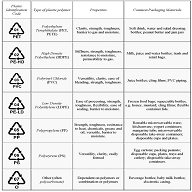
FOURTH SCHEDULE
FORM I
[Regulation 4(1)]
|
|
|
The Environmental Management Act |
|
The Environmental Management (Extended Producer Responsibility) Regulations, 2018 |
|
APPLICATION TO REGISTER PACKAGING MATERIALS OR PRODUCT |

|
To: The Director-General |
|
1. Name of applicant: ……………………………………………………………………………………… |
|
2. Address of applicant: ……………………………………………………….………………………….. |
|
Physical: ……………………..…………………………………..…………………………………….. |
|
Postal: ………………………………………………………………………………………………….. |
|
Telephone no.: …………………………………………………………………………………………. |
|
Fax no.: ………………………………………………………………………………………………… |
|
Telex: ……………………………………………………………………………………………………. |
|
E-mail: …………………………………………………………………………………………………… |
|
3. Line of business: ….…………………………………………………………………………..…….. |
|
4. Details of the packaging materials or product handled: |
|
Type of packaging materials |
Unit weight (grams) |
Quantities of packaging materials per annum (Tonnes) |
Source of packaging material (Import/Local) |
Colour of packaging materials |
PIC Number (applicable to plastic polymers) |
|
|
|
|
|
|
|
|
|
|
|
|
|
|
|
|
|
|
|
|
|
|
|
|
|
|
|
|
|
|
|
|
|
|
|
|
|
|
|
|
|
|
|
|
|
|
|
|
|
5. Number of year’s firm has been handling the said packaging material No. …………………. years. |
|
6. Cost (in Zambian Kwacha) of manufacture, importation, or purchasing the packaging material per ton ……………………………………………………………………………………… |
|
7. Company’s future extended product responsibility strategy ………………..……..……………… |
|
8. Any other company information .….………………………………………………………………….. |
|
9. I hereby certify that the above particulars are to the best of my knowledge, true and correct. |
|
|
|
………………………………. ………………………….. ………………………….. |
|
FOR OFFICIAL USE ONLY: |
|
Received by: ………………………………… |
|
Title: ………………………………… |
|
Date: ………………………………… |
|
Signature: ………………………………… |
|
|
|
ATTACHMENTS: |
FORM II
[Regulation 4(3)]
|
|
|
The Environmental Management Act |
|
The Environmental Management (Extended Producer Responsibility) Regulations, 2018 |
|
PACKAGING MATERIAL OR PRODUCT REGISTRATION LICENCE |
|
ZEMA Permit No.: ……………………… |
|
Name: …………………………………………………………………………………………………………………. |
|
Contact Address: …………………………………………………………………………………………………… |
|
………………………………………………………………………………………………………………………….. |
|
………………………………………………………………………………………………………………………….. |
|
………………………………………………………………………………………………………………………….. |
|
You are hereby registered to manufacture/retail/import/trade or commercially distribute the following packaging materials or product and their respective quantities: |
|
Type of packaging materials |
Unit weight (grams) |
Quantities of packaging materials per annum (Tonnes) |
Source of packaging material (Import/Local) |
Colour of packaging materials |
PIC Number (applicable to plastic polymers) |
|
|
|
|
|
|
|
|
|
|
|
|
|
|
|
|
|
|
|
|
|
|
|
|
|
|
|
|
|
|
|
|
|
|
|
|
|
|
|
|
|
|
|
|
|
|
|
|
|
This licence is granted subject to the following conditions: …………………………………………………. |
|
…………………………………………………………………………………………………………………………… |
|
…………………………………………………………………………………………………………………………… |
|
…………………………………………………………………………………………………………………………… |
|
…………………………………………………………………………………………………………………………… |
|
|
|
……………………………………………. ……………………………………………. |
FORM III
[Regulation 4(4)]
|
|
|
The Environmental Management Act |
|
The Environmental Management (Extended Producer Responsibility) Regulations, 2018 |
|
NOTICE OF REJECTION OF APPLICATION |
|
(1) Here insert the full names and address of applicant |
TO: (1) …………………………………………………………………………. |
|
…………………………………………………………………………………. |
|
|
REFERENCE NO. (2) .………………………………………………………. |
|
|
(2) Here insert the reference No. of the application |
You are notified that your application for (3) registration/renewal of registration as an agricultural professional has been rejected on the following grounds: |
|
(3) Here insert the type of application |
(a) ……..…………………………….………………………………………….. |
|
(b) …………………………………………………………………….………… |
|
|
(c) ….………………………………………………………………….…………. |
|
|
(d) ……………………………………………………………………………….. |
|
|
|
|
|
|
Dated this …………… day of …………………….., 20…… |
|
|
|
|
|
…………………………………. |
FORM IV
[Regulation 7(3)]
|
|
|
The Environmental Management Act |
|
The Environmental Management (Extended Producer Responsibility) Regulations, 2018 |
|
COMPLIANCE ORDER |
|
(1) Here insert the full names and address of applicant |
TO: (1) ……………………………………………………………………………. |
|
……………………………………………………………………………………. |
|
|
(2) Here insert the reference No. of the application |
IN THE MATTER OF (2) ………………………………………………………… you are notified that you are in breach or likely to be in breach of the following: |
|
(a) ……..…………………………….…………………………………………….. |
|
|
|
(b) ……………………………………………………………………….………… |
|
|
(c) ….…………………………………………………………………….…………. |
|
|
(d) ………………………………………………………………………………….. |
|
(3) Here insert the type of application |
Accordingly, you are requested to remedy the breaches set out in paragraphs ………………….. (above) in accordance with the steps attached to this order within (3) ……………. days of receiving this Order. Failure to remedy the said breaches shall result in the suspension/cancellation of your registration permit. |
|
(4) Signature of Director- General |
Dated this ………… day of ……………….., 20….. |
|
|
|
|
|
(4) ………………………………. |
|
|
|
FIFTH SCHEDULE
[Regulation 6]
|
The Zambian Government is banning the manufacture, trade and commercial distribution of domestically produced and imported plastic carrier and flat bags, for use within the Republic of Zambia, other than those having the properties in the Zambian Standard on Plastic Carrier Bags within 80 days from the coming into operation of the Environmental Management (Extended) Producer Responsibility Regulations, 2018. In the lead up to the ban, this retail outlet will supply or sell alternative shopping bags on request. |
ENVIRONMENTAL MANAGEMENT (STRATEGIC ENVIRONMENTAL ASSESSMENT) REGULATIONS
[Section 30]
Arrangement of Regulations
Regulation
1. Title
2. Interpretation
3. Application
4. Objectives of strategic environmental assessment
5. Notification and screening for strategic environmental assessment
6. Requirement for strategic environmental assessment
7. Strategic environmental assessment
8. Constitution of strategic environmental assessment team
9. Public consultation procedure
10. Validation
11. Preparation and submission of strategic environmental assessment report
12. Consultation with neighbouring countries
13. Decision of Agency
14. Transfer, amendment and replacement of notice of decision
15. Monitoring and evaluation of policy, plan or programme
16. Adoption of policy, plan or programme
17. Registers
18. Public documents
19. Guidelines
20. Fees
21. Policies, plans or programmes authorised prior to commencement of Regulations
SI 48 of 2021.
These Regulations may be cited as the Environmental Management (Strategic Environmental Assessment) Regulations.
In these Regulations unless the context otherwise requires—
“consultation” means the process of formally discussing with the public and stakeholders in the development and review of a policy, plan or programme, and the undertaking of a strategic environmental assessment;
“consultation body” in relation to a strategic environmental assessment means a—
(a) relevant sector ministry;
(b) relevant Government agency or department;
(c) local government authority;
(d) traditional authority;
(e) relevant civil society and private sector;
(f) co-operating partner; and
(g) academia and research institution;
“draft policy, plan or programme” means a preliminary version of a proposed policy, plan or programme outlining the key elements of a policy, plan or programme;
“environmental assessment” means a systematic examination of a policy, plan, programme or project and includes the use of a tool such as environmental impact assessment and strategic environmental assessment, sustainability assessment and risk assessment;
“mitigation measures” includes engineering works, technological improvements, management measures and other means of preventing, ameliorating or compensating for an adverse environmental impact and loss suffered or likely to be suffered by an individual and a community and for enhancing benefits of a policy, plan or programme;
“natural resources” includes resources of air, land, minerals, water, animals, plants and their aesthetic qualities;
“reasonable alternatives” means alternatives that take into consideration the nature, objectives, scope and geographical extent of a policy, plan or programme and provides a clear framework for mitigation of environmental impacts that may arise from the implementation of a policy, plan or programme;
“register” means the register kept and maintained under regulation 17;
“screening” means a decision making process to determine whether or not a policy, plan or programme requires a strategic environmental assessment;
“scoping” means the determination of the spatial and temporal boundaries and key thematic issues to be addressed in a strategic environmental assessment;
“strategic environmental assessment” has the meaning assigned to the word in the Act;
“strategic environmental assessment statement” means a statement summarising—
(a) how environmental and socio-economic considerations have been integrated into a policy, plan or programme;
(b) the opinions of the public, civil society and designated authorities;
(c) the results of transboundary consultations that have been taken into account; and
(d) the reasons for choosing a policy, plan or programme as adopted taking into consideration other reasonable alternatives; and
“zone of influence” means the scope over which a policy, plan or programme would have an environmental impact.
These Regulations apply to a policy, plan or programme with a possible adverse effect on the environmental management or sustainable management and utilisation of natural resources.
4. Objectives of strategic environmental assessment
The objectives of a strategic environmental assessment conducted in accordance with the Act and these Regulations are to—
(a) prioritise and integrate environmental considerations in decision making, development and implementation of a policy, plan or programme;
(b) contribute to sound decision making that takes into account environmental sustainability;
(c) create an enabling environment for conducting a project environmental impact assessment;
(d) establish a mechanism for evaluating the inter linkages of environmental considerations with economic and social aspects relating to a policy, plan or programme;
(e) strengthen participatory approaches to enable the public and stakeholders participate in the preparation of a policy, plan, programme or strategic environmental assessment report;
(f) delineate the zone of influence of a policy, plan or programme;
(g) propose strategic measures to mitigate environmental impacts and enhance opportunities associated with a policy, plan or programme;
(h) ensure that a policy, plan or programme proposal is compatible with sustainable environmental planning and management;
(i) recognise and evaluate transboundary environmental impact of multi-sectorial developments over specified time and broader geographical scale;
(j) contribute to the establishment of contexts and baselines for a future environmental assessment;
(k) ensure consistency and coherence, in the development and implementation of a policy, plan or programme; and
(l) promote sustainable development.
5. Notification and screening for strategic environmental assessment
(1) A proponent who intends to develop a policy, plan or programme that could have an adverse effect on environmental management or on sustainable management and utilisation of natural resources shall notify the Agency for purposes of screening that policy, plan or programme.
(2) A notice under sub-regulation (1) shall be accompanied by a draft policy, plan or programme which shall indicate the—
(a) nature of a policy, plan or programme;
(b) impact of the policy plan or programme on the management, conservation and enhancement of the environment or sustainable management and utilisation of natural resources; and
(c) social, economic and health and cultural aspects of the policy, plan or programme.
(3) The Agency shall, within 10 days of receipt of the notice under sub-regulation (1), review a draft policy, plan or programme, taking into consideration the criteria set out in the First Schedule, and determine whether or not the policy, plan or programme is likely to have a significant impact on the environment and natural resources.
(4) The Agency shall, where the Agency determines that a policy, plan or programme is likely to have a significant impact on the environment and natural resources, require a proponent to undertake a strategic environmental assessment and submit a strategic environmental assessment report to the Agency in accordance with the Act and these Regulations.
(5) The Agency shall not object to the implementation of a policy, plan or programme, where the Agency determines that a policy, plan or programme is unlikely to have a significant impact on the environment and natural resources, and inform a proponent of its decision.
6. Requirement for strategic environmental assessment
(1) A proponent shall, for the purposes of a strategic environmental assessment—
(a) submit to the Agency for approval the terms of reference for a strategic environmental assessment prepared in the Second Schedule;
(b) commence a strategic environmental assessment process at the beginning of the preparation of a policy, plan or programme;
(c) comply with the guidelines issued by the Agency when conducting a strategic environmental assessment;
(d) conduct public consultation involving Government agencies, local authorities, non-governmental organisations, community based organisations and people who may have an interest in, or be affected, by, a policy, plan or programme; and
(e) consult the relevant stakeholder and prepare a scoping report in order to determine and establish the spatial and temporal boundaries and key issues to be addressed in a strategic environmental assessment.
(2) A proponent shall prepare the terms of reference to the Agency which shall be accompanied by a scoping report, a list of the proposed experts who shall conduct the strategic environmental assessment and the qualifications of the proposed experts.
(3) The Agency shall, within 10 days of receipt of the terms of reference, approve or reject the terms of reference.
(4) The Agency shall, where it rejects the terms of reference, notify the proponent stating the reasons for the rejection.
(5) The Agency may propose amendments to the terms of reference submitted under sub-regulation (1)(a) and notify the proponent of the proposals thereof.
(6) A proponent shall, where the Agency proposes an amendment under sub-regulation (6), prepare a revised terms of reference within the period specified by the Agency.
7. Strategic environmental assessment
A proponent shall, where the Agency approves the terms of reference under regulation 6, conduct a strategic environmental assessment in accordance with the criteria set out in the Third Schedule.
8. Constitution of strategic environmental assessment team
(1) A proponent shall consult a strategic environmental assessment team for the purpose of considering a strategic environmental assessment which that proponent intends to submit to the Agency.
(2) A strategic environmental assessment team shall have the expertise and competence as set out in the Fourth Schedule.
9. Public consultation procedure
(1) A proponent shall, on completion of conducting a strategic environmental assessment, consult the public on the findings of a strategic environmental assessment for purposes of receiving comments by—
(a) affixing copies of a strategic environmental assessment findings, in a conspicuous place; and
(b) publishing the findings of a strategic environmental assessment report in a newspaper of general circulation in the Republic and on an electronic platform.
(2) A person who intends to comment on the findings of a strategic environmental assessment under sub-regulation (1) shall submit comments to a proponent, within 30 days of the date of the affixing or publishing the findings of a strategic environmental assessment.
(3) A proponent shall amend a strategic environmental assessment report taking into account the comments received under sub-regulation (2).
(1) A proponent shall cause to be held a validation meeting for purposes of validating the matters that were raised during consultations under regulations 6 and 9.
(2) A proponent shall ensure that stakeholders consulted under regulations 6 and 9 and are invited to participate in the validation meeting.
11. Preparation and submission of strategic environmental assessment report
(1) A proponent shall after the consultation under regulation 9 and the validation under regulation 10, prepare and submit to the Agency a draft strategic environmental assessment report containing information stipulated under section 23(3) of the Act and additional information set out in the Fourth Schedule.
(2) The report under sub-regulation (1) shall clearly identify, describe and evaluate the—
(a) likely risks and opportunities on the—
(i) environment;
(ii) natural resources;
(iii) health; and
(iv) social and economic effect of the culture of the community in which the policy, plan or programme is to implemented;
(b) alternatives or strategic options to the policy, plan or programme, taking into account the objectives and the scope of the policy, plan or programme;
(c) current information and best available methods of assessment of environmental matters;
(d) contents of, and level of detail in the policy, plan or programme;
(e) stage at which the policy, plan or programme is in the decision making process;
(f) extent to which duplication or inconsistencies would be avoided in the policy, plan or programme in relation to other policies, plans or programmes;
(g) legal implications on other relevant regulatory and organisational frameworks; and
(h) public interest.
(3) The Agency shall, within 21 days of receipt of the report under sub-regulation (1), review the report and provide its comments on the report and notify a proponent of its comments thereof.
(4) The Agency may, where the review of the report requires more time than what is provided for under sub-regulation (3), extend the period to not more than 21 days.
(5) A proponent shall incorporate the comments made by the Agency under sub-regulation (3) and submit to the Agency the final strategic environmental assessment report for confirmation.
(6) The Agency shall, where the Agency confirms a strategic environmental assessment report, notify a proponent of the Agency’s decision and request a proponent to submit, on payment of a fee set out in the Sixth Schedule—
(a) an electronic copy and 12 hard copies of a final strategic environmental assessment report;
(b) a draft policy, plan or programme; and
(c) strategic environmental assessment statement.
(7) The Agency shall, within seven days of receipt of a final strategic environmental assessment report under sub-regulation (5), submit an electronic or a hard copy of a strategic environmental assessment report and a draft policy, plan or programme to a consultation body for comments.
(8) A consultation body shall, within 40 days of receipt of a strategic environmental assessment report and a draft policy, plan or programme under sub-regulation (7), make its comments on the report and submit its comment to the Agency.
(9) The Agency shall, where a consultation body fails to make comments within the period specified under sub-regulation (8), make a decision on a strategic environmental assessment report and draft policy, plan or programme in accordance with regulation 13.
(10) The Agency shall, before making its decision under regulation 13, place a notice on its website and in a newspaper of general circulation in the Republic, once a week for two consecutive weeks, specifying the location where members of the public may access a strategic environmental assessment report and a draft policy, plan or programme.
(11) Members of the public may, within 30 days from the last day of the notification in sub-regulation (10), submit their comments to the Agency.
12. Consultation with neighbouring countries
(1) The Agency shall, where a policy, plan or programme has transboundary environmental concerns, through the appropriate ministry, transmit a strategic environmental assessment report to the affected neighbouring country for comments.
(2) The Agency shall cause an affected neighbouring country to make its comments on a strategic environmental assessment report within 40 days from the day of receipt of that report.
(1) The Agency shall, in making a decision on a strategic environmental assessment report take into account the comments received under regulation 10.
(2) The Agency may—
(a) approve a strategic environmental assessment report;
(b) reject a strategic environmental assessment report; or
(c) defer a decision pending clarification of some matters in a strategic environmental assessment report.
(3) The Agency shall, within 15 days of its decision under sub-regulation (2), inform the proponent of the decision in Form I set out in the Fifth Schedule.
(4) The Agency may, where the Agency approves a strategic environmental assessment report in accordance with sub-regulation (2)(a), attach conditions to its approval.
(5) The Agency may, before rejecting a strategic environmental assessment report under sub-regulation (2)(b), require a proponent to make changes to a strategic environmental assessment report and submit that strategic environmental assessment report and draft policy, plan or programme for consideration.
14. Transfer, amendment and replacement of notice of decision
(1) A proponent shall not transfer, amend or replace a strategic environmental assessment decision, under regulation 13 without the prior approval of the Agency.
(2) A proponent who intends to transfer, amend or replace a strategic environmental assessment decision, shall apply to the Agency in the Form II set out in the Fifth Schedule on payment of the fee set out in the Sixth Schedule.
(3) The Agency shall, within 30 days of receipt of an application under sub-regulation (2)—
(a) approve an application, if a proponent meets the requirements of the Act and these Regulations; or
(b) reject an application if the proponent does not meet the requirements of the Act and these Regulations.
(4) The Agency shall inform a proponent of its decision under sub-regulation (3).
(5) A proponent who amends a policy, plan or programme during the course of its implementation shall conduct a strategic environmental assessment in accordance with these Regulations.
15. Monitoring and evaluation of policy, plan or programme
(1) A proponent shall monitor and evaluate the significant environmental risks and opportunities arising from the implementation of a policy, plan or programme for which a strategic environmental assessment report was approved by the Agency under regulation 13.
(2) A proponent shall comply with sub-regulation (1) in a manner which enables that proponent to identify any unforeseen adverse effects at an early stage and undertake appropriate remedial measures.
(3) A proponent shall, submit to the Agency an initial monitoring and evaluation report within a period of not more than 36 months after the implementation of the policy, plan or programme for which a strategic environmental assessment report was approved by the Agency under regulation 13.
(4) The Agency may, in addition to the monitoring and evaluation report under sub-regulation (3), request a proponent to submit a further monitoring and evaluation report within the period that the Agency may determine.
(5) The Agency shall review the reports referred under sub-regulations (3) and (4) and inform a proponent of the Agency’s findings on the review.
16. Adoption of policy, plan or programme
(1) A proponent shall adopt a policy, plan or programme to which a strategic environmental assessment report has been approved by the Agency under regulation 13.
(2) A proponent shall, as soon as practicable after the adoption of a policy, plan or programme under sub-regulation (1), submit to the Agency, a copy of that policy, plan or programme for the information of the Agency.
(1) The Agency shall, for the purposes of a strategic environmental assessment, maintain the following registers—
(a) a register of the strategic environmental assessment reports submitted in accordance with these Regulations; and
(b) a register of the strategic environmental assessment monitoring and evaluation reports submitted in accordance with these Regulations.
(2) A register shall be kept by the Director-General at the offices of the Agency and shall be open for inspection by members of the public during normal office hours.
A document submitted under these Regulations for the purpose of a strategic environmental assessment is a public document and is open for inspection by members of the public during normal office hours.
The Agency may issue guidelines for the purposes of a strategic environmental assessment.
The fees set out in the Sixth Schedule are payable in respect of the matter specified in that Schedule.
21. Policies, plans or programmes authorised prior to commencement of Regulations
A proponent who adopts a policy, plan or programme prior to the publication of these Regulations, which requires a strategic environmental assessment shall, within 24 months from the date of the publication of these Regulations, notify the Agency in accordance with regulation 5.
FIRST SCHEDULE
[Regulations 5(3) and 7]

The Environmental Management Act, 2011
(Act No. 12 of 2011)
The Environmental Management (Strategic Environmental Assessment) Regulations, 2021
CRITERIA FOR DETERMINING LIKELY SIGNIFICANT EFFECTS ON THE ENVIRONMENT
1. The Agency shall, in reviewing a policy, plan or programme, take into consideration the—
(a) zone of influence;
(b) degree to which the policy, plan or programme sets a framework for projects and other activities, which include the location, nature, size and operating conditions of a project or the need to allocate resources;
(c) degree to which a policy, plan or programme influences other policies, plans and programmes;
(d) impact of the policy, plan or programme on climate change vulnerability;
(e) irreversibility of the likely impacts and risks;
(f) cumulative impacts of its implementation;
(g) relevance of the policy, plan or programme for the integration of environmental considerations in particular with a view to promoting sustainable development;
(h) environmental problems relevant to the policy, plan or programme; and
(i) relevance of a policy, plan or programme for the implementation of the relevant legislation on the environment such as waste management, chemicals, ozone depletion substances or water resources management laws.
2. The Agency shall take into consideration the effects of the project and the area likely to be affected, by the project having regard, in particular, to the—
(a) probability, duration, frequency, intensity and reversibility of the effects;
(b) magnitude and spatial extent of the effects focusing on the geographical area and size of the population likely to be affected;
(c) transboundary nature of the effects;
(d) risks to human health or the environment due to factors such as accidents and environmental emergencies;
(e) cumulative nature of the effects;
(f) value and vulnerability of the area likely to be affected due to—
(i) special natural characteristics, local communities, archaeological nature or cultural heritage;
(ii) exceeded environmental quality standards or limit values; or
(iii) intensive land-use; and
(g) effects on areas or landscapes which have a recognised national, regional or international protection status.
SECOND SCHEDULE
[Regulation 6(2)]
The Environmental Management Act, 2011
(Act No. 12 of 2011)
The Environmental Management (Strategic Environmental Assessment) Regulations, 2021
ISSUES TO BE CONSIDERED WHEN PREPARING TERMS OF REFERENCE
The following information shall be included in the preparation of the terms of reference—
(a) introduction and background of a strategic environmental assessment which shall contain the—
(i) purpose of developing a strategic environmental assessment, the reasons for the strategic environmental assessment, legal requirements and strategic decisions to be influenced;
(ii) major strategic documents to be considered; and
(iii) spatial extent of the policy, plan or programme;
(b) objectives of a strategic environmental assessment;
(c) scope and method of works;
(d) overview of the policy, institutional and legal framework;
(e) overview of key stakeholders, their interests and concerns;
(f) description of the scope of the environmental baseline to be prepared in a strategic environmental assessment study;
(g) identification, evaluation and prediction of environment-related risks, constraints and opportunities including linkages with existing policy, plan and programme;
(h) recommendations on specific impact identification and evaluation methodologies to be used in a strategic environmental assessment study;
(i) analysis of performance indicators;
(j) appraisal of the capacities to address environmental and climate-related challenges;
(k) proposal of time frames and resources needed for a strategic environmental assessment study;
(l) conclusions and recommendations; and
(m) following appendices—
(i) a scoping report;
(ii) curriculum vitae of experts;
(iii) list of stakeholders consulted; and
(iv) any other relevant documents such as maps where the project shall be conducted.
THIRD SCHEDULE
[Regulation 8(2)]
The Environmental Management Act, 2011
(Act No. 12 of 2011)
The Environmental Management (Strategic Environmental Assessment) Regulations, 2021
EXPERTISE AND COMPETENCE OF STRATEGIC ENVIRONMENTAL ASSESSMENT TEAM
1. A person qualifies to be a team leader if that person has—
(a) proven experience in preparation or review of a strategic environmental assessment reports;
(b) professional qualifications and experience in one of the thematic areas that are relevant for strategic environmental assessment;
(c) knowledge in a strategic environmental assessment process; and
(d) knowledge and experience in the sector policy, plan or programme.
2. A person qualifies to be a thematic area expert or sector expert if that person has—
(a) professional qualifications and experience in the thematic areas that are relevant for a strategic environmental assessment; and
(b) knowledge and experience in the sector policy, plan or programme.
3. A person qualifies to be a stakeholder engagement expert if that person has experience in stakeholder engagements.
FOURTH SCHEDULE
[Regulation 11(1)]
The Environmental Management Act, 2011
(Act No. 12 of 2011)
The Environmental Management (Strategic Environmental Assessment) Regulations, 2021
CONTENTS OF A STRATEGIC ENVIRONMENTAL ASSESSMENT REPORT
A strategic environmental assessment report prepared under these Regulations shall include the following information—
(a) the title of the report and name of a proponent;
(b) a concise non-technical summary describing the study and its outcomes;
(c) introduction on the scope and methodology of work;
(d) description of a proposed policy, plan or programme focusing on—
(i) the objective, purpose and rationale;
(ii) alternative options and strategies;
(iii) thematic areas and sectors affected;
(iv) proposed activities for a policy, plan or programme; and
(v) implementation plan and timescale;
(e) environmental analysis including—
(i) baseline environmental conditions;
(ii) policy, legal and institutional framework;
(iii) stakeholder engagement activities undertaken;
(iv) identification, evaluation and prediction of impacts including cumulative effects;
(v) alternative options and justification of preferred options; and
(vi) linkages with existing policy, plan or programme;
(f) recommendations including changes to proposed policy, plan or programme, mitigation measures and alternatives;
(g) integration of climate change vulnerability assessment, adaptation and mitigation actions;
(h) relevant appendices such as attendance register and minutes of stakeholders’ meetings and topographical maps; and
(i) environmental management and monitoring plan outlining the measures and actions to be taken during policy, plan or programme implementation.
FIFTH SCHEDULE
[Regulations 13 and 14]
|
|
|
The Environmental Management Act, 2011 |
|
(Act No. 12 of 2011) |
|
The Environmental Management (Strategic Environmental Assessment) Regulations, 2021 |
|
NOTICE OF DECISION |
|
Notice No. ………………….. |
|
(1) Here insert the full names and address of a proponent |
To (1) ……………………………………………………………………………………….. |
|
……………………………………………………………………………………………….. |
|
|
|
|
|
(2) Here insert the reference No. of the Notice by proponent |
IN THE MATTER OF (2) ………………………………………………………………….. you are notified that your decision has been approved or that your decision has rejected by the Agency on the following grounds: |
|
(a) …………………………………………………………………………………… |
|
|
(b) …………………………………………………………………………………… |
|
|
(c) …………………………………………………………………………………… |
|
|
(d) …………………………………………………………………………………… |
|
|
|
|
|
|
Dated this ………… day of …………………. 20…… |
|
|
…………………………………….. |
|
|
|
FORM II
[Regulation 14(2)]
|
|
|
The Environmental Management Act, 2011 |
|
(Act No. 12 of 2011) |
|
The Environmental Management (Strategic Environmental Assessment) Regulations, 2021 |
|
PART I: PARTICULARS OF PROPONENT |
|||
|
Name of proponent ………………………………………………………………………………………… |
|||
|
Address …………………………………….. Date of decision ………………………………………… |
|||
|
Telephone number person ………………………………………………………………………………… |
|||
|
PART II: PARTICULARS OF TRANSFER, AMENDMENT AND REPLACEMENT |
|||
|
No. |
Details |
||
|
1. |
|
||
|
2. |
|
||
|
3. |
|
||
|
SUMMARY OF TRANSFER AMENDMENT, REPLACEMENT |
|||
|
Existing (Name of Proponent, Physical Address Etc.) |
Proposed Transfer/Amendment or Replacement |
Date of Transfer/Amendment or Replacement |
Reasons for Transfer/Amendment or Replacement |
|
|
|
|
|
|
|
|
|
|
|
|
|
|
|
|
PART III: SUPPORTING DOCUMENTATION |
|||
|
Please submit documents, where applicable, to support your application for transfer, amendment, replacement. |
|||
|
PART IV: DECLARATION AND SIGNATURE |
|||
|
I declare that all the information I have stated is correct and truthful to the best of my knowledge and belief. |
|||
|
Particulars of the Applicant |
|||
|
(a) Name …………………………………………………………………………………………………….. |
|||
|
(b) Designation …………………………………………………………………………………………….. |
|||
|
(c) Signature ………………….. (d) Date ………………/………./……………………(dd/mm/yyyy) |
|
FOR OFFICIAL USE ONLY |
||
|
Date of Submission ……………………………………………………………………………………………… |
||
|
Application No. …………………………………………………………………………………………………… |
||
|
Payment Receipt No. …………………………………………………………………………………………… |
||
|
Application Complete (Proceed for Evaluation) ……………………………………………………………. |
||
|
Application Deficient (Refer to applicant for additional information) ……………………………………. |
||
|
|
OFFICIAL STAMP |
|
SIXTH SCHEDULE
[Regulation 20]
FEES
|
1. Fees for amendment, transfer and replacement |
|
|
Category |
Fee Unit |
|
Transfer |
10,000 |
|
Amendment |
5,000 |
|
Replacement |
15,000 |
|
2. Review fees for policy, plan and programme |
|||
|
S/N |
Type of Document |
Area of Coverage |
Fee Units |
|
1. |
Policy |
National |
3,333,333.33 |
|
2. |
Plan |
National |
2,000,000.00 |
|
3. |
Programme |
National |
2,000,000.00 |